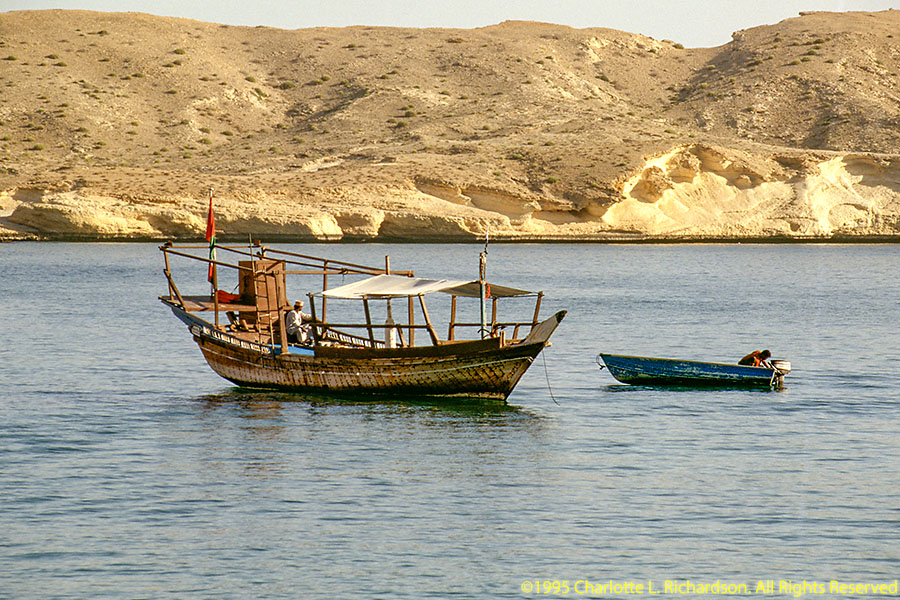
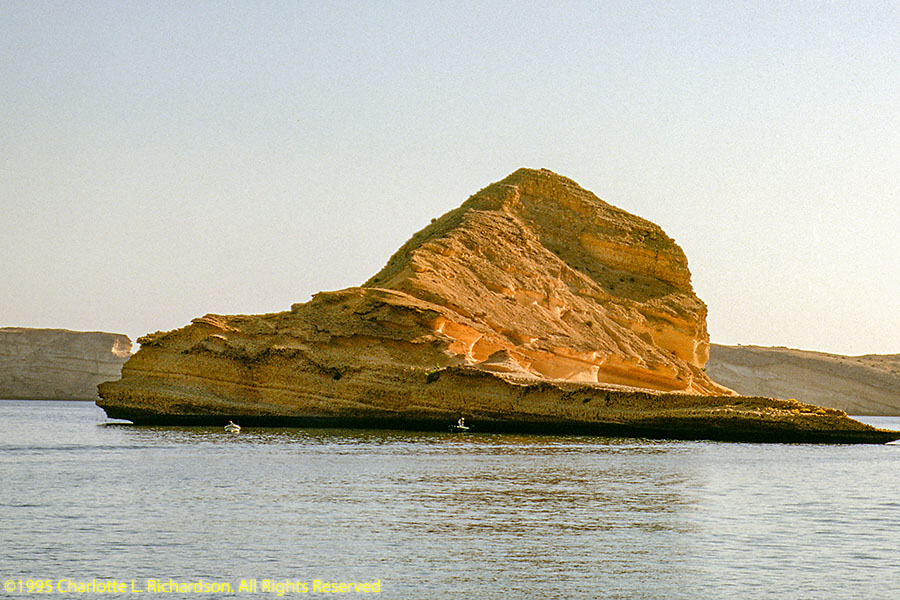
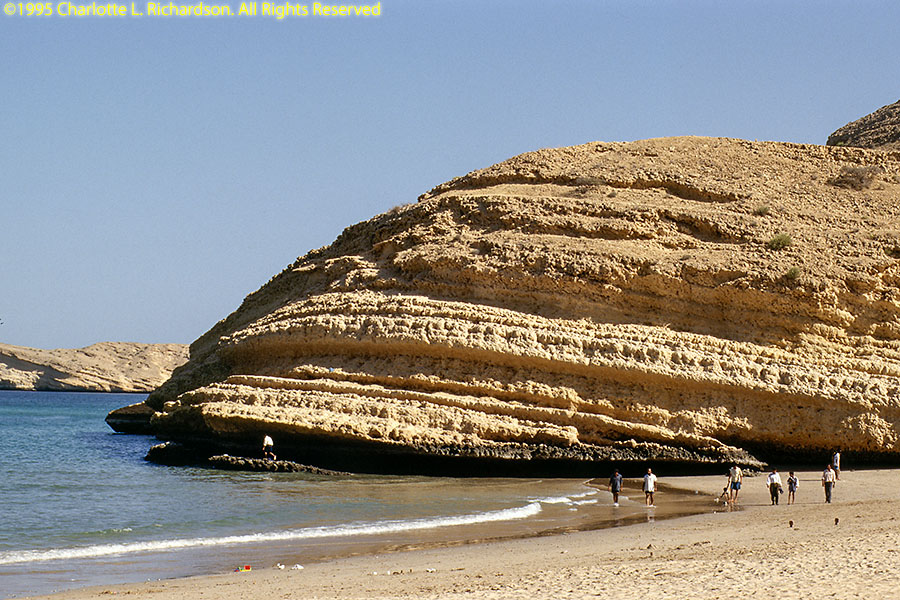
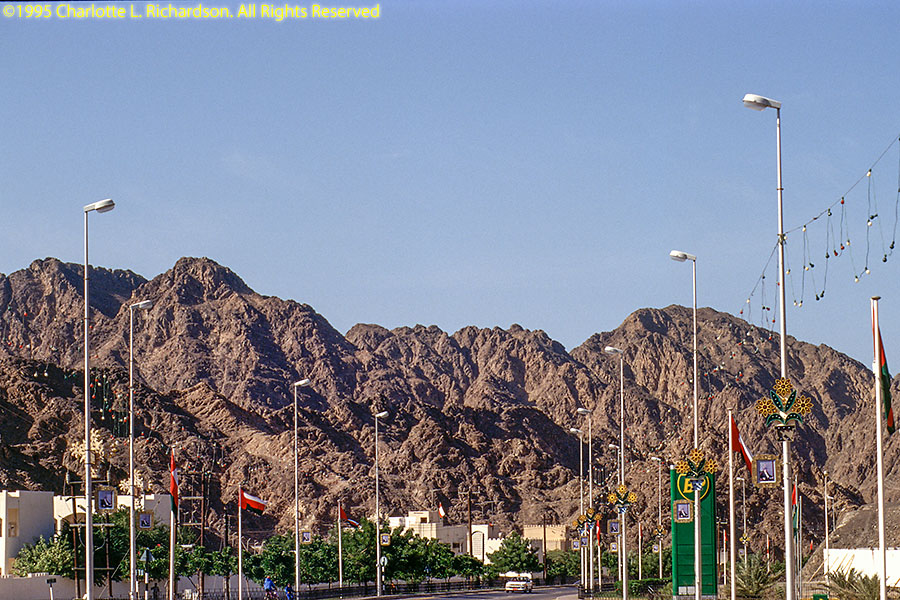
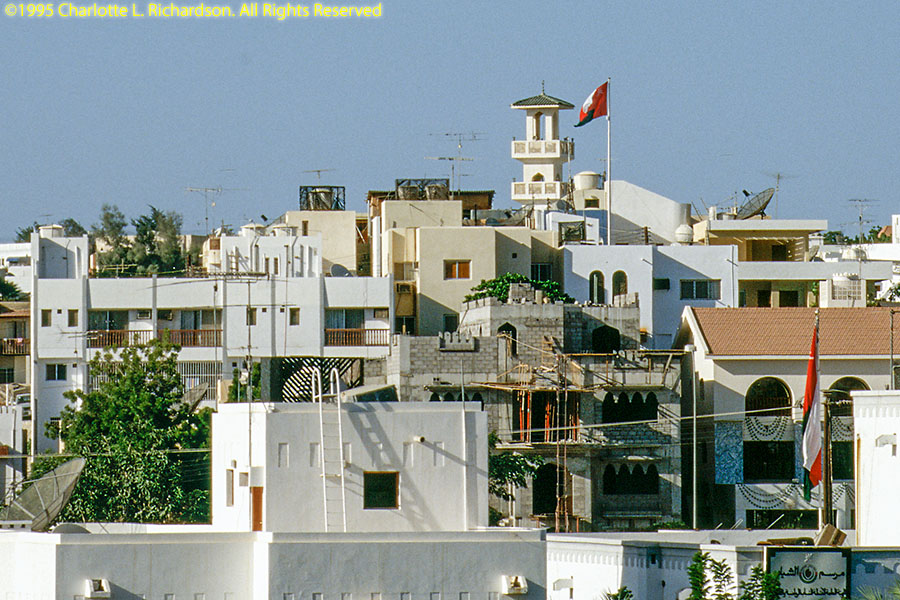
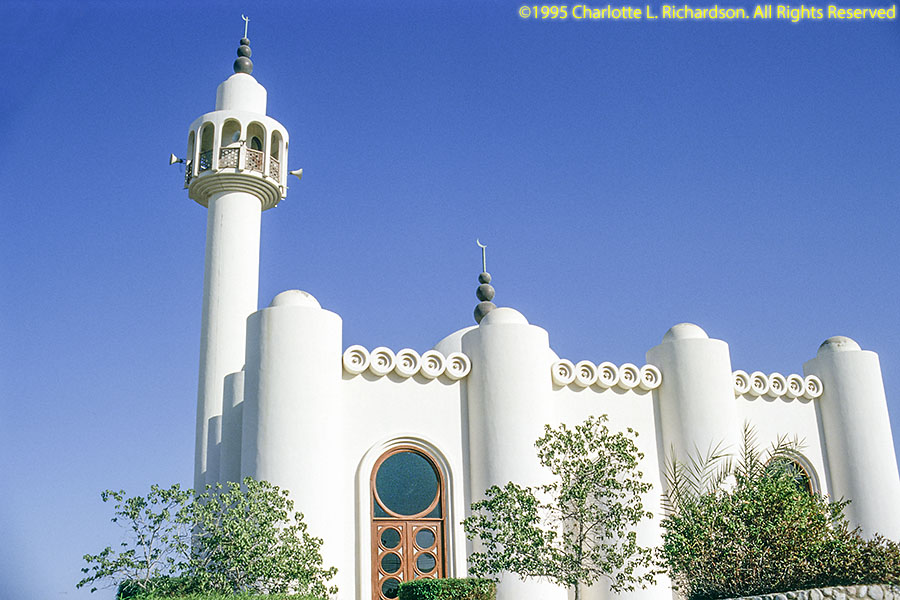
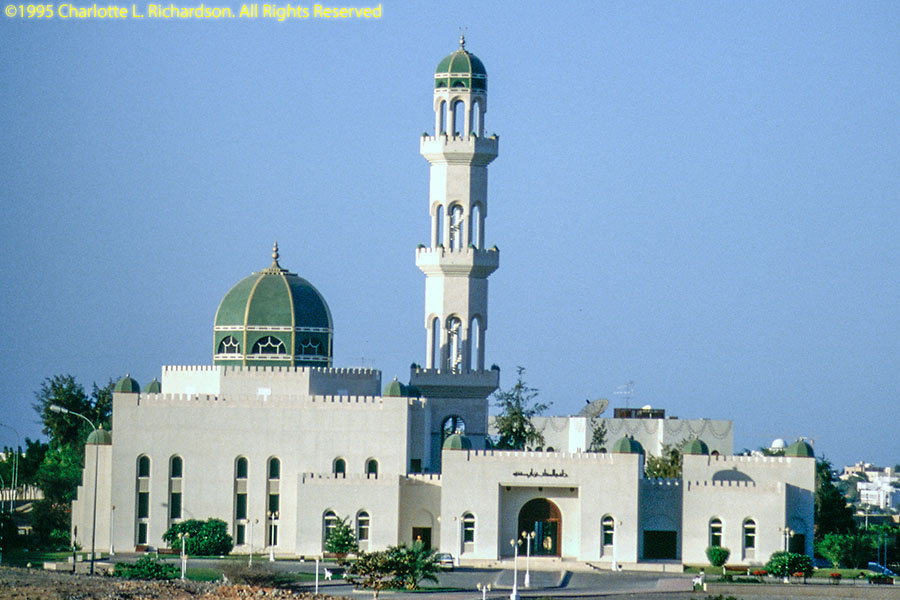
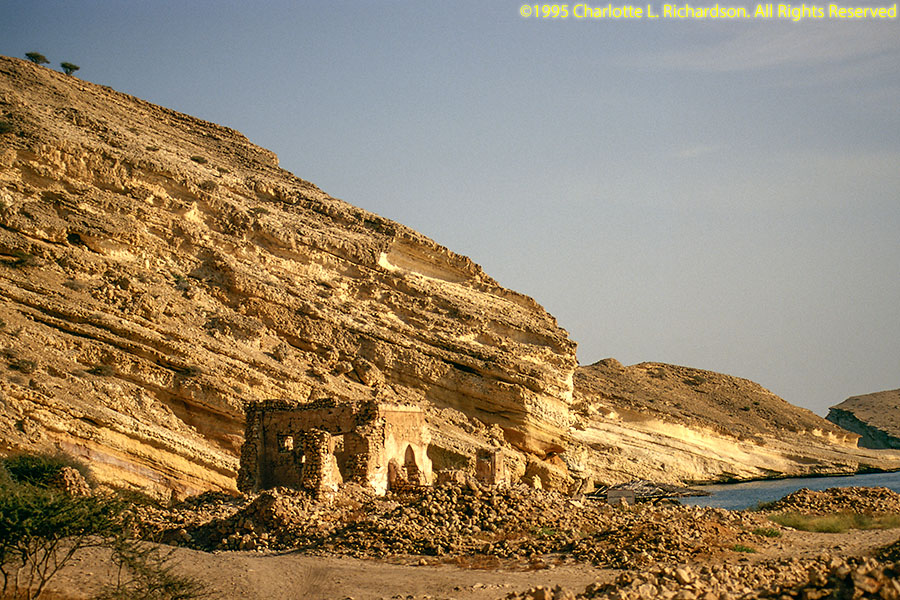
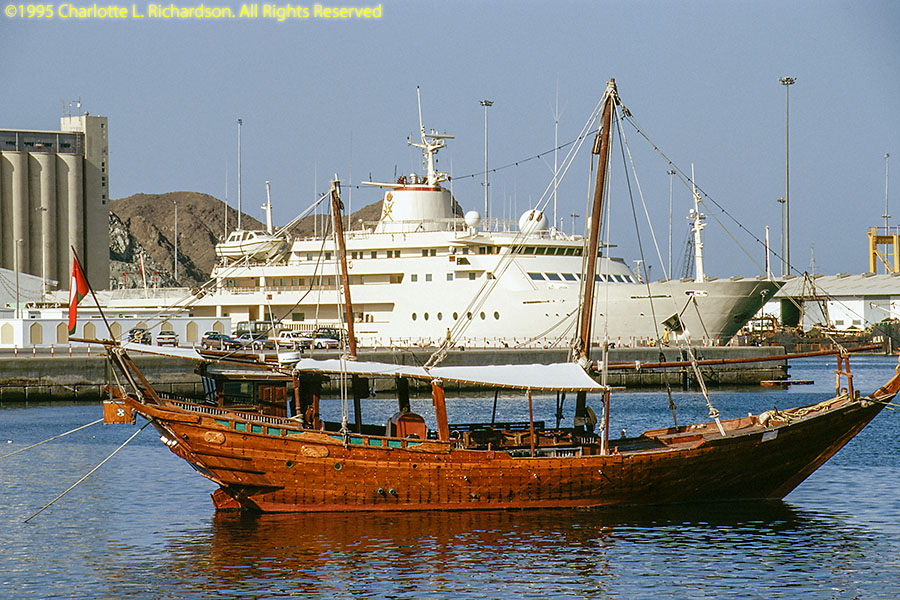
We spent several days in Oman in Decmber, 1995, for scuba diving and touring in the area around Muscat.
Then we went south to Dhofar Province near the Yemen border to see the archeological sites. In ancient times this area and across the Gulf of Aden in northeastern Somalia were the sources of frankincense. The aromatic tree resin was vital to the religious practices of the whole ancient Mediterranean world, worth more than its weight in gold. It fueled a vast camel caravan and dhow shipping trading network.
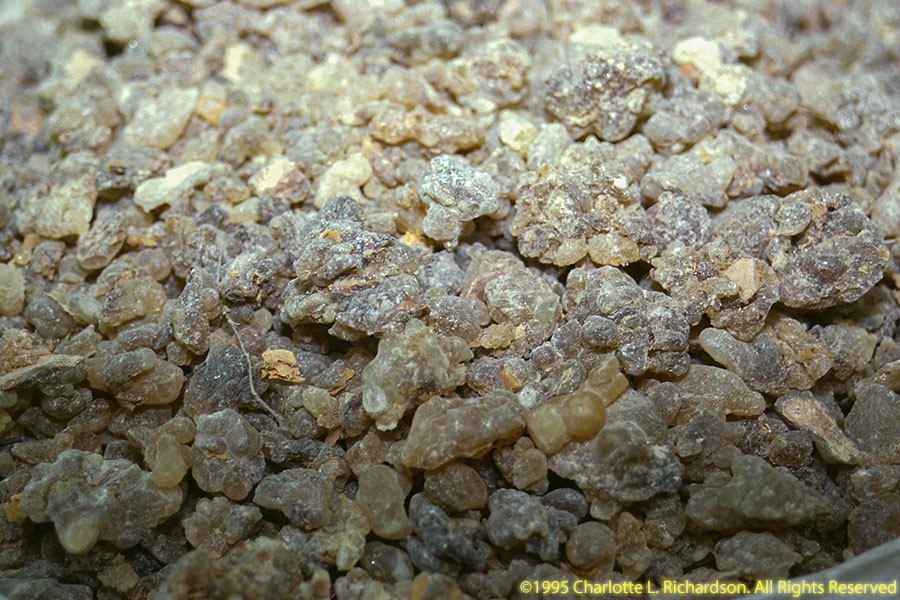
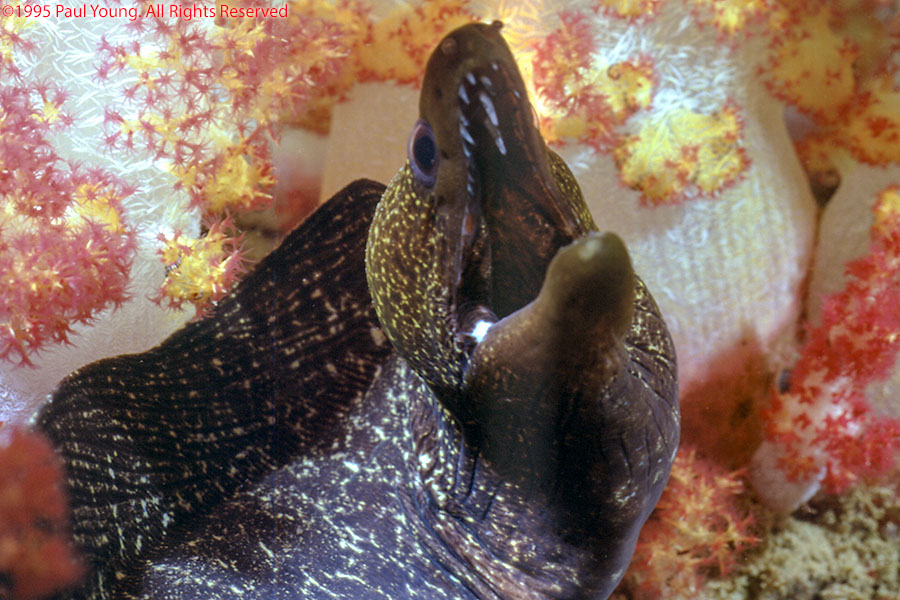
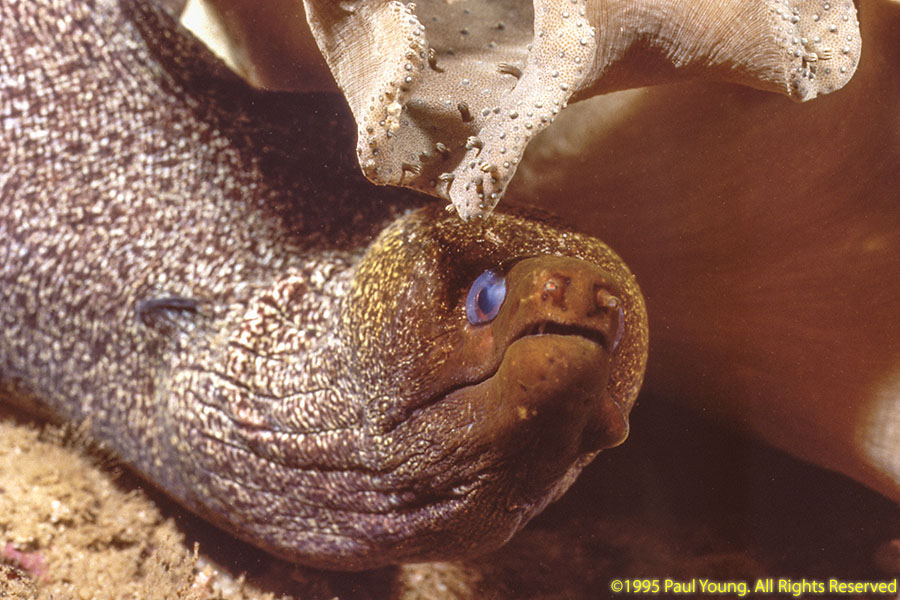
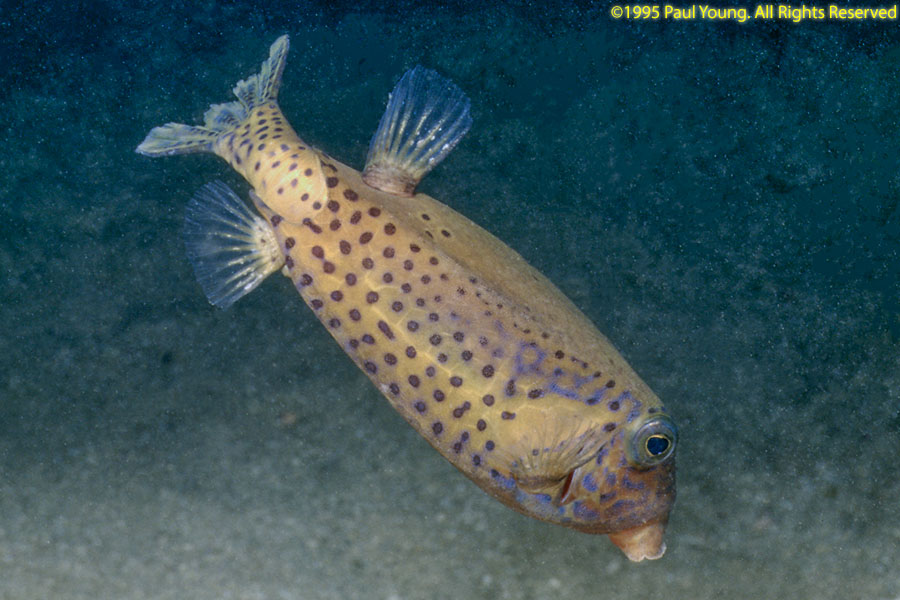
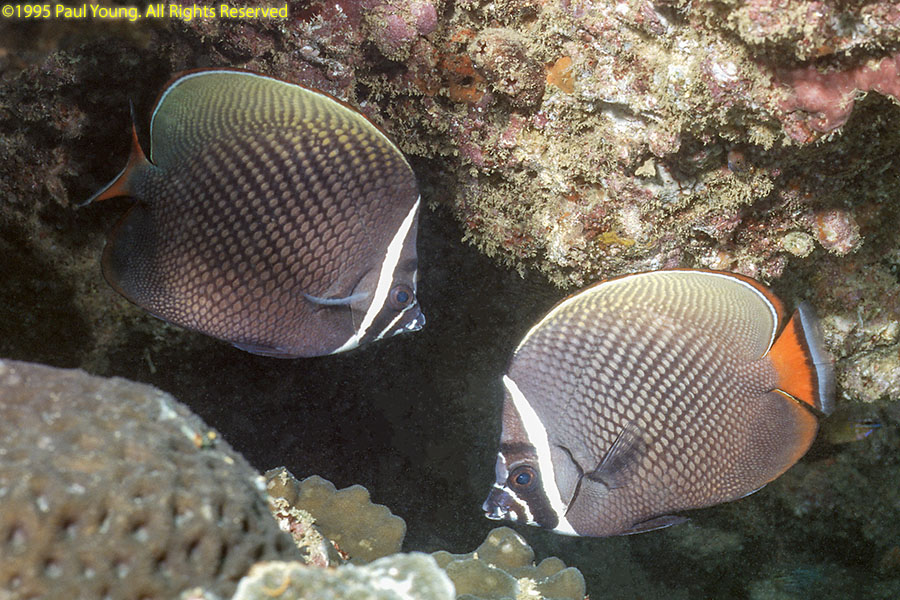
We did several days of diving in the area near Muscat.
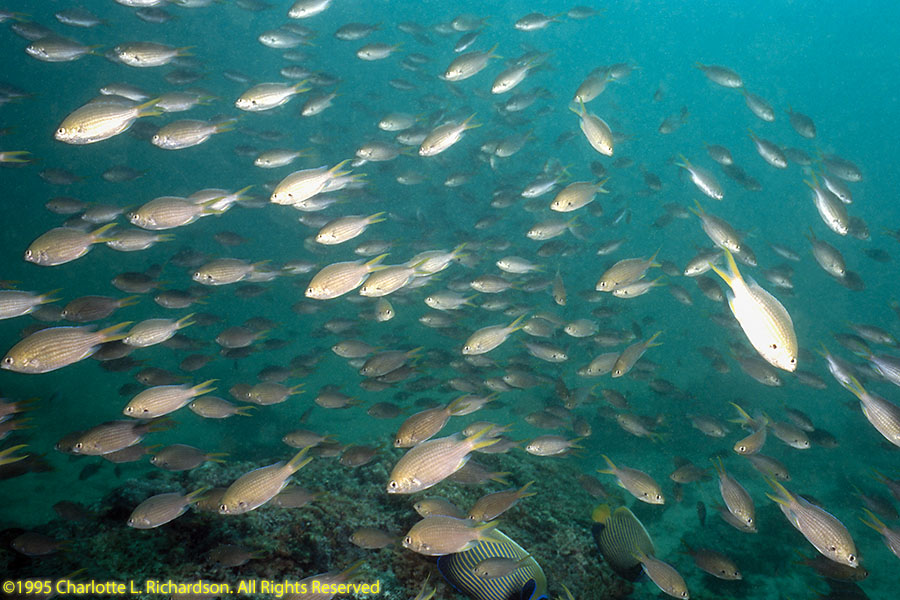
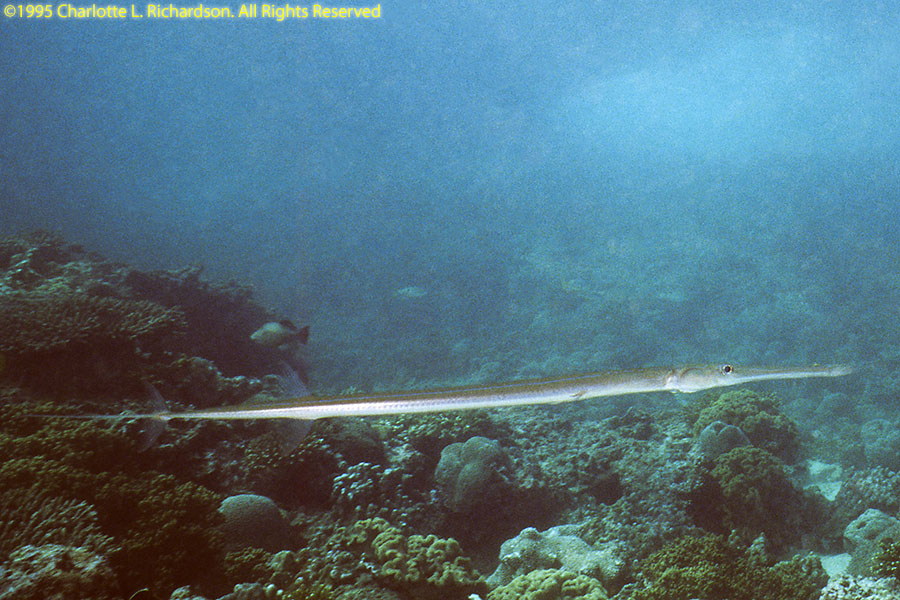
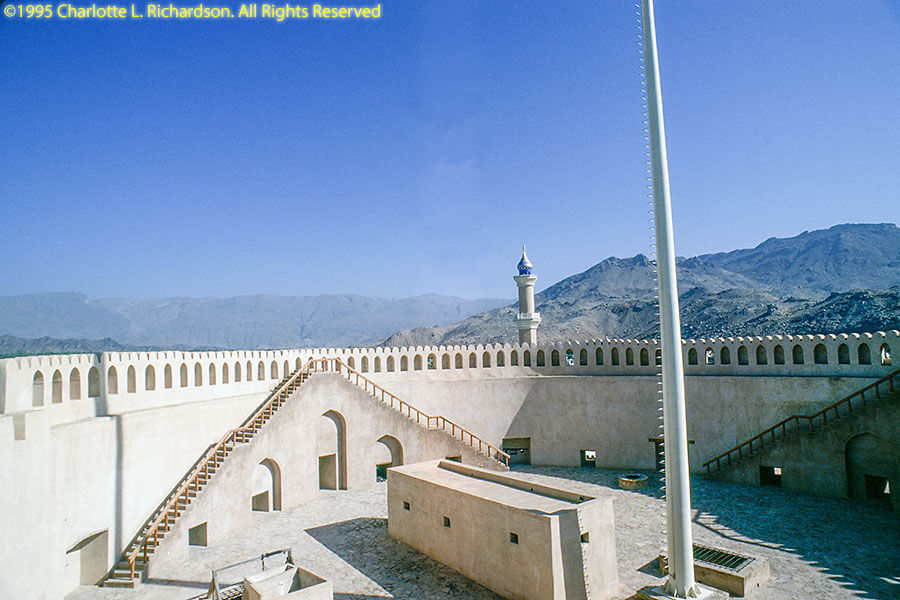
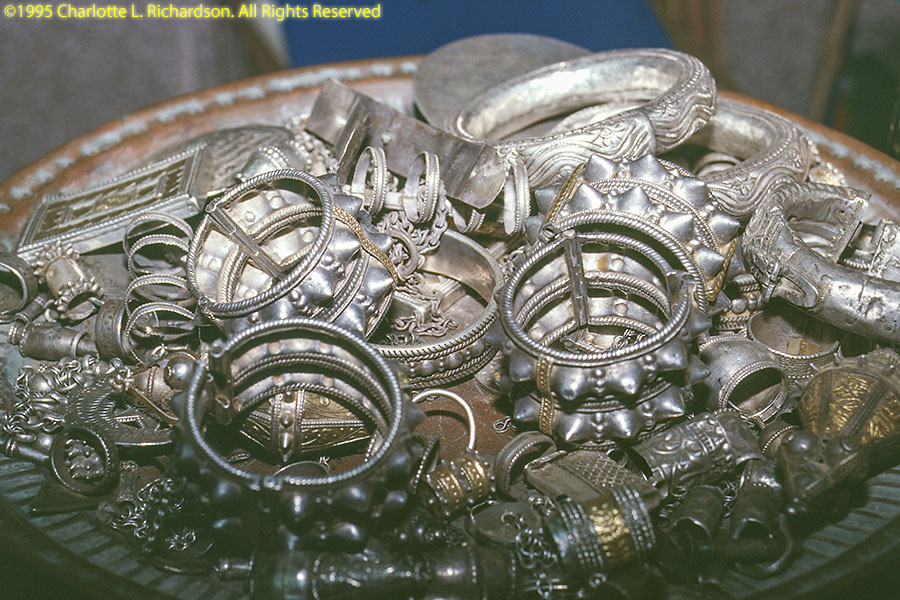
Driving south from Muscat through the Al Akhdar Mountains to the desert oasis town of Nizwa, with its big restored fort and silverwork souq.
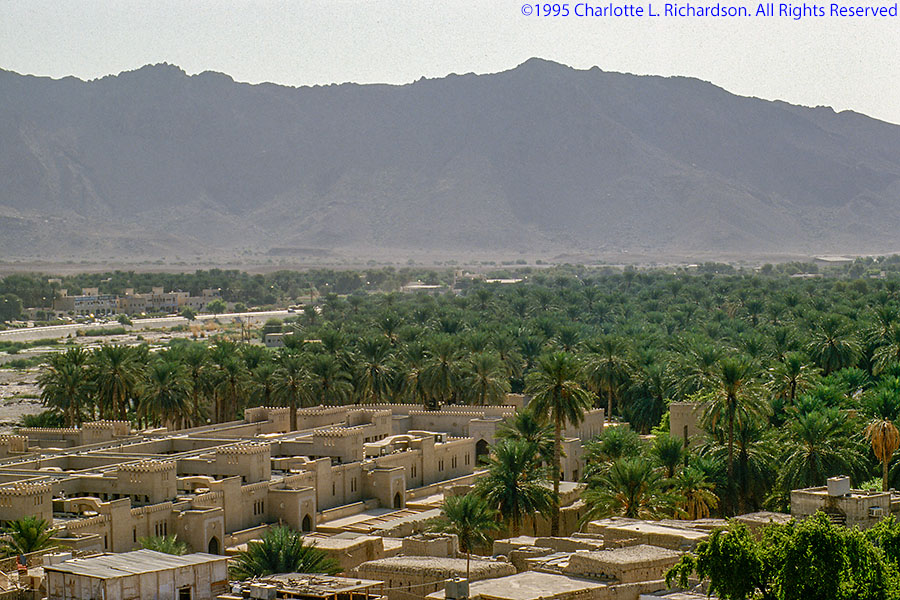
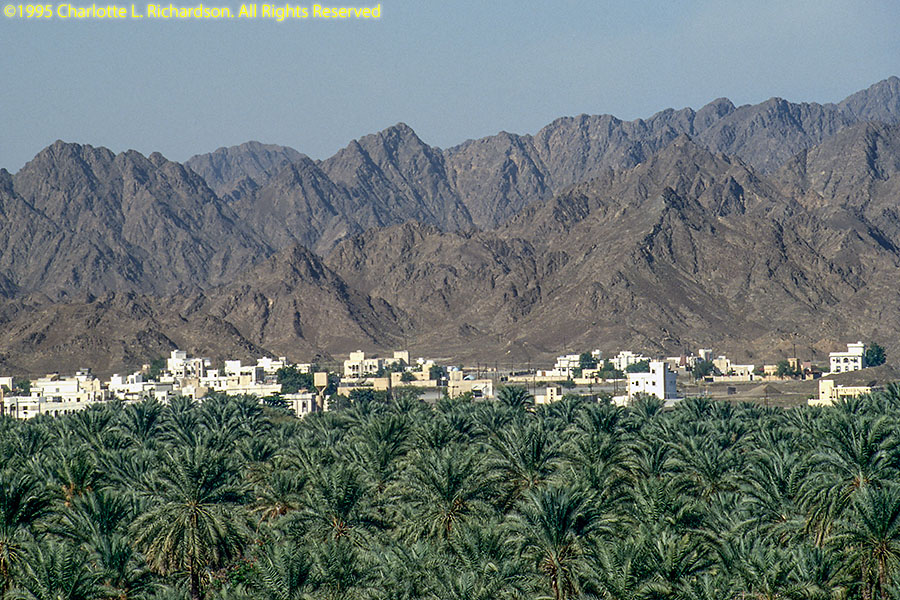
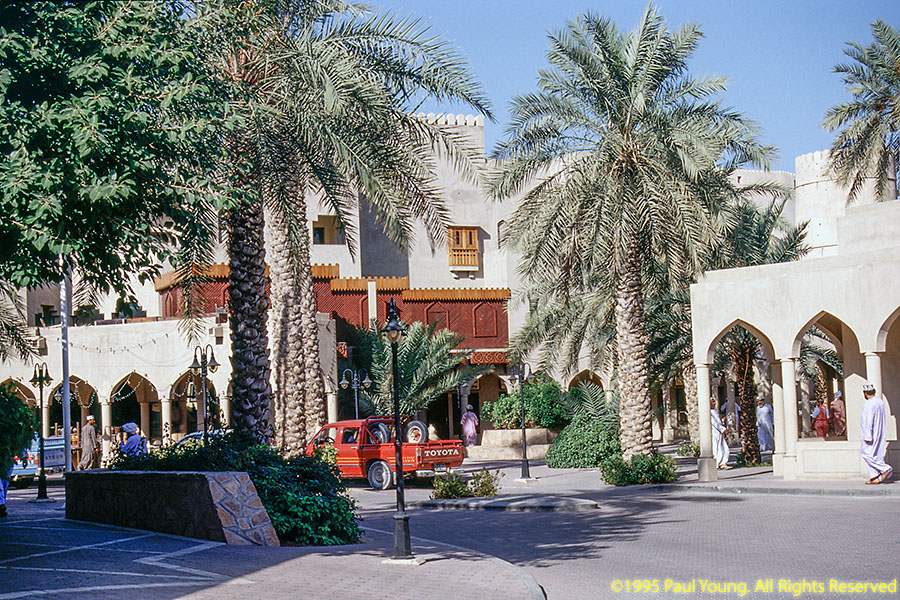
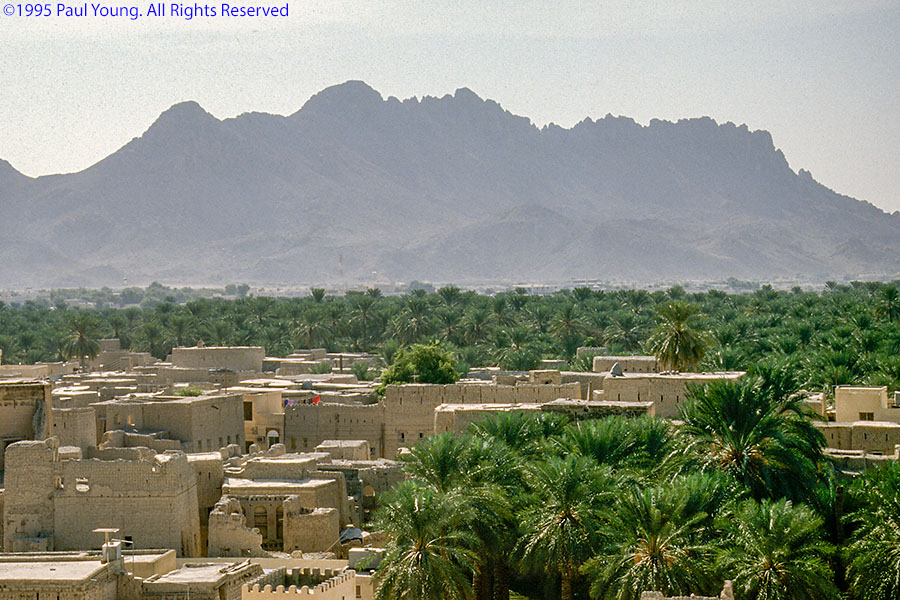
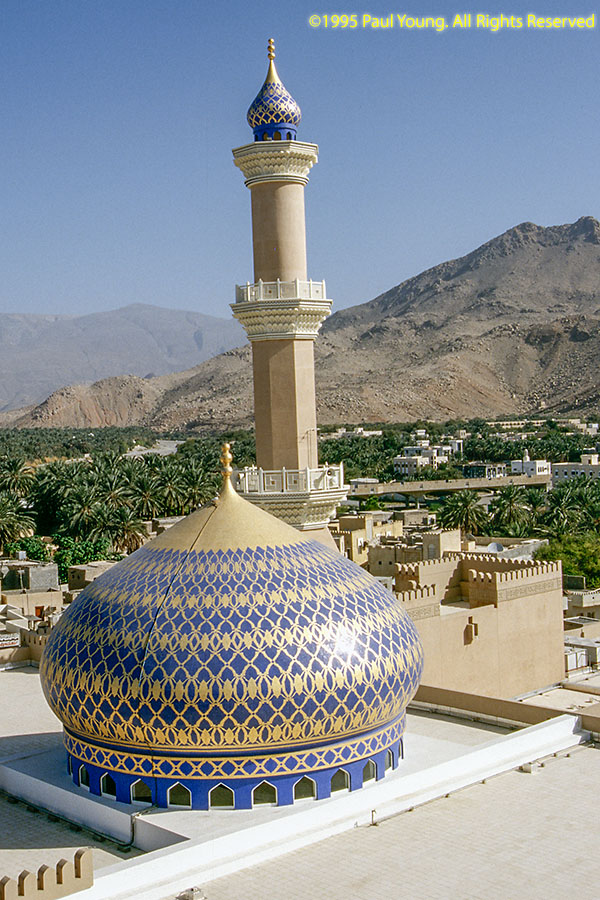
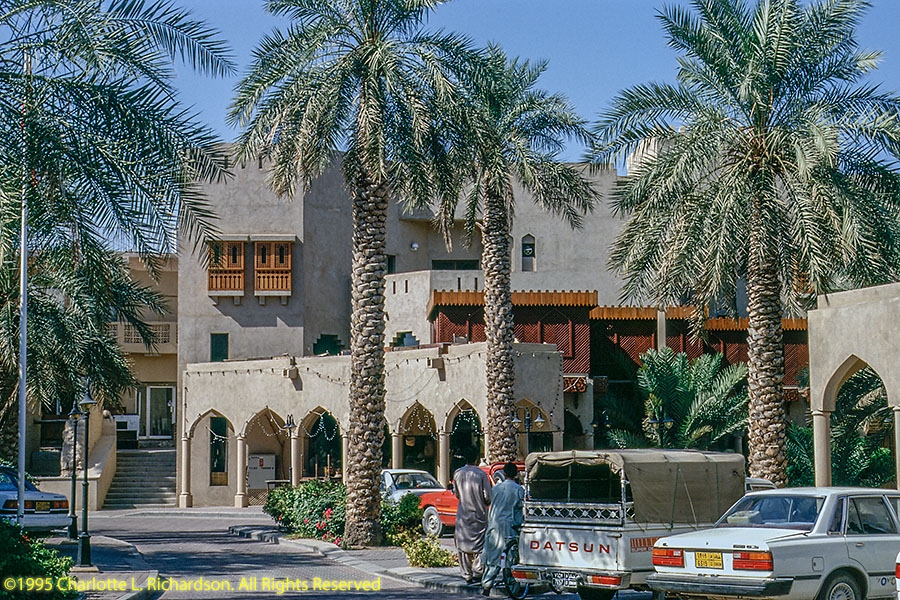
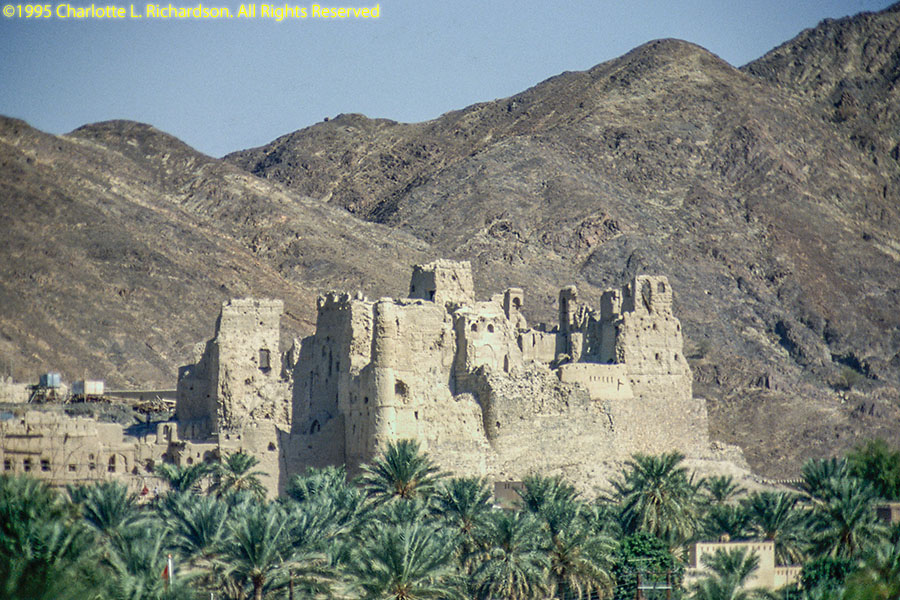
On to Bahla to see the ruins of another hill fort overlooking the date palm oasis.
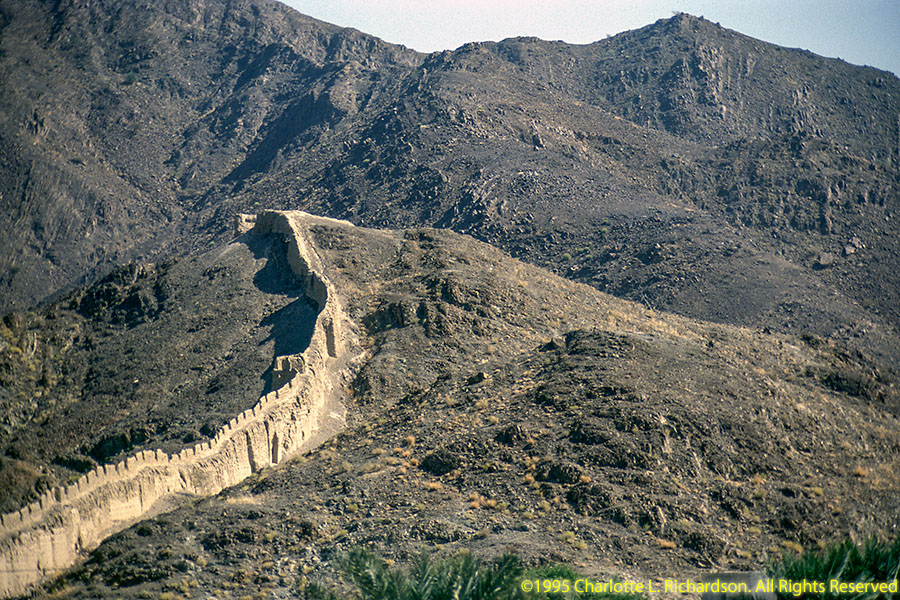
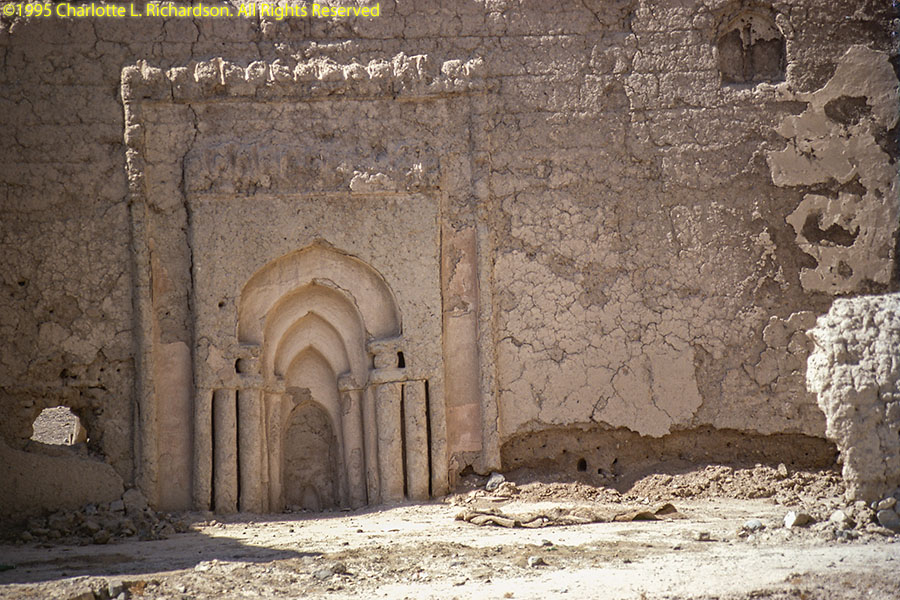
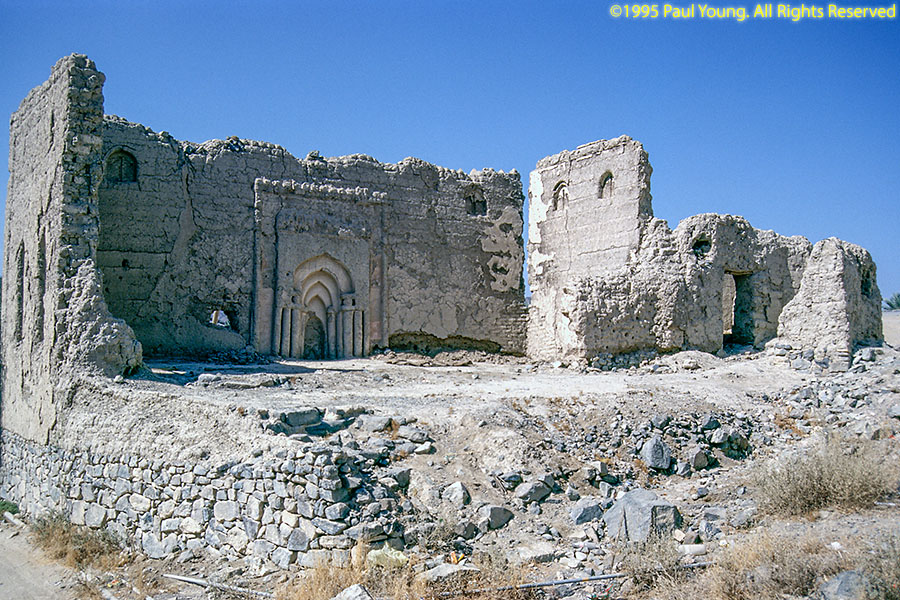
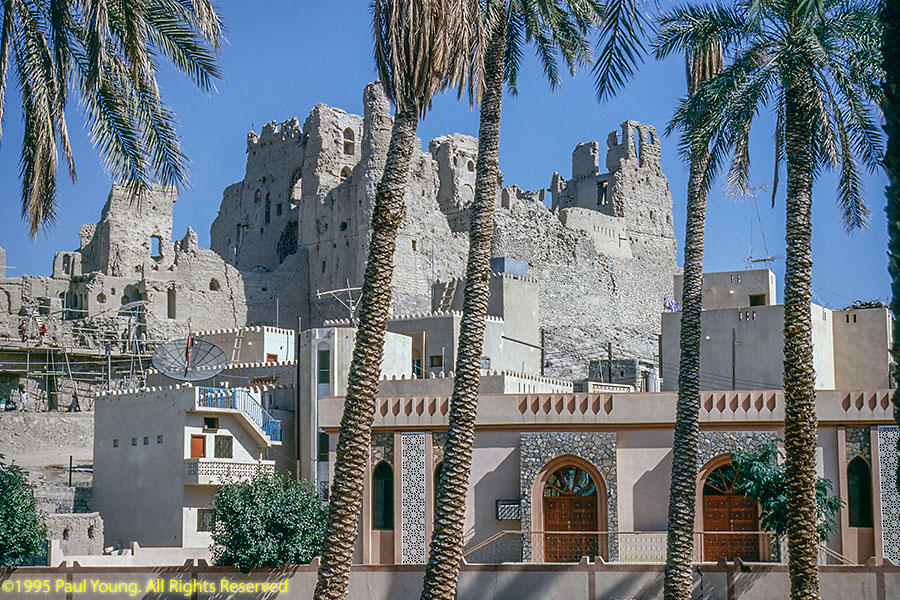
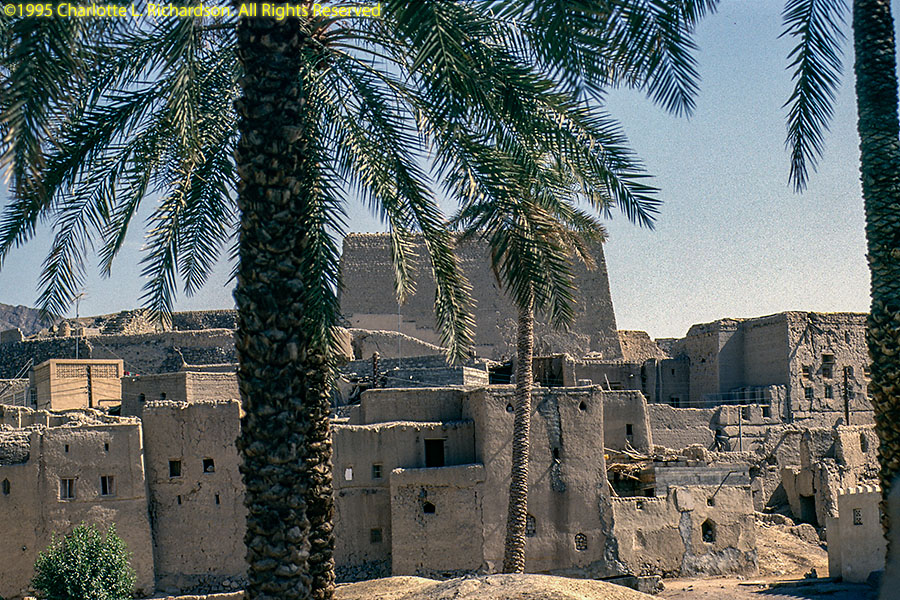
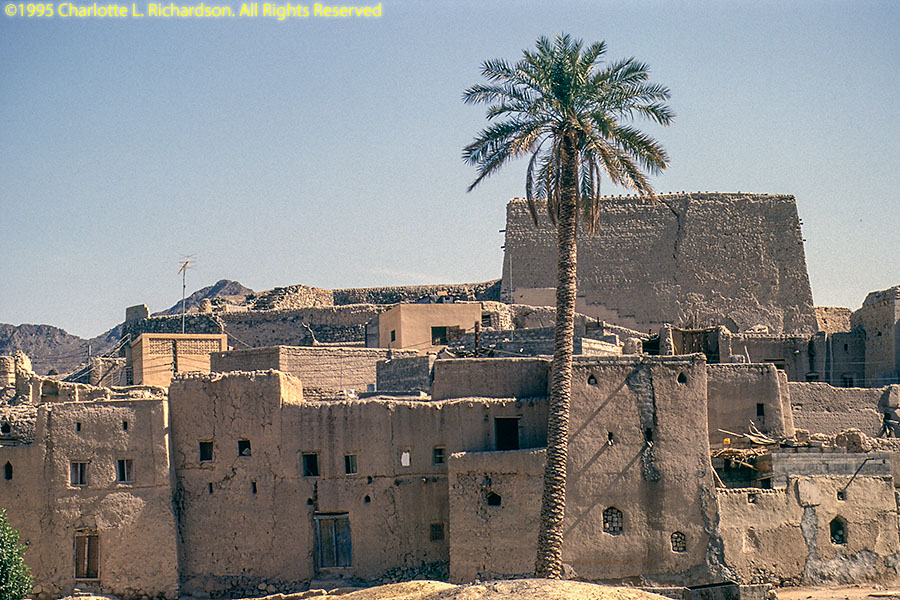
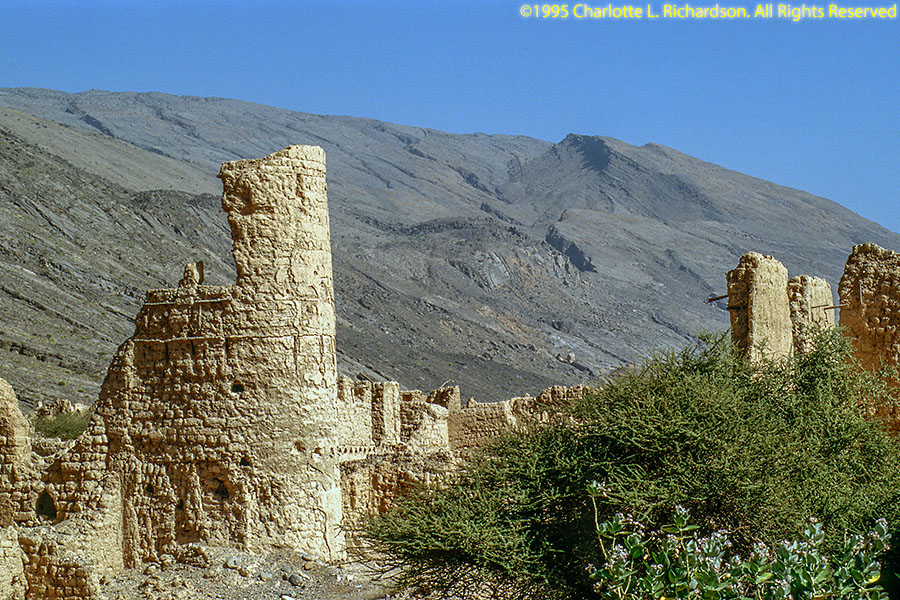
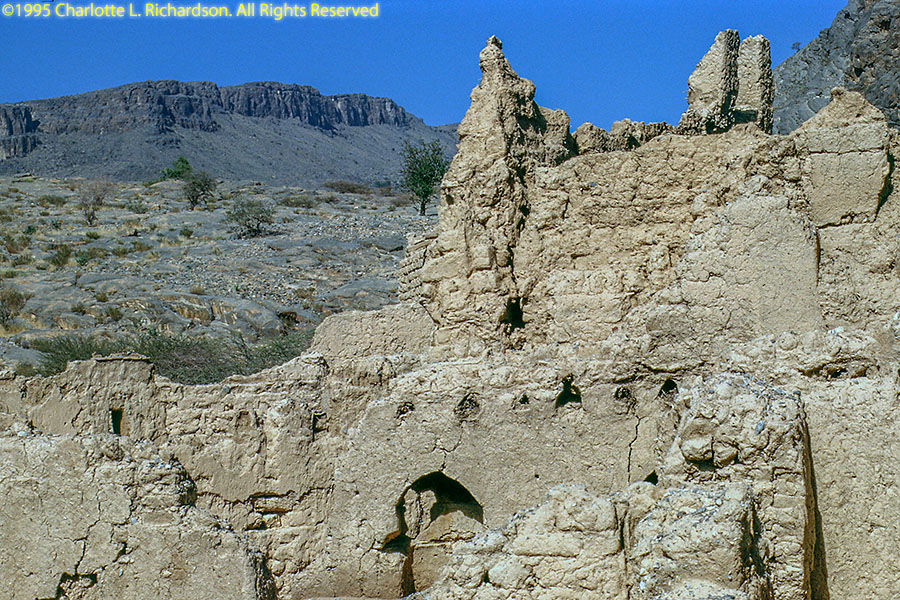
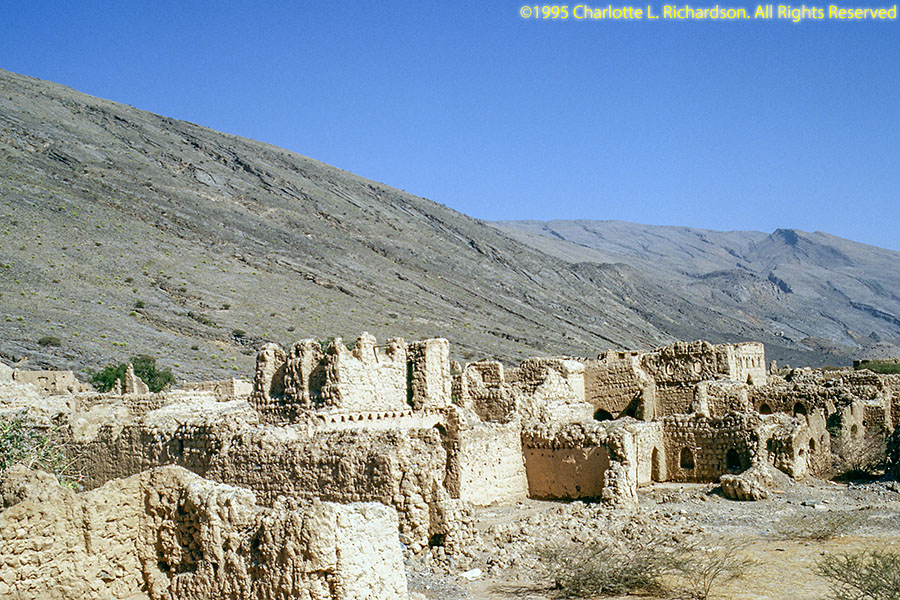
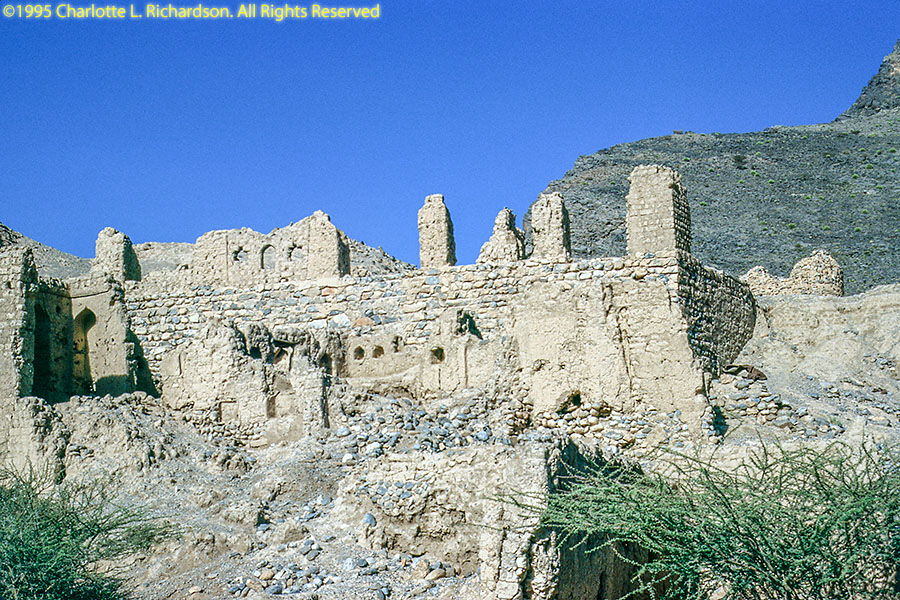
Then through a village near Al Hamra to the ruins of Tanuf near the bottling plant for Tanuf spring water.
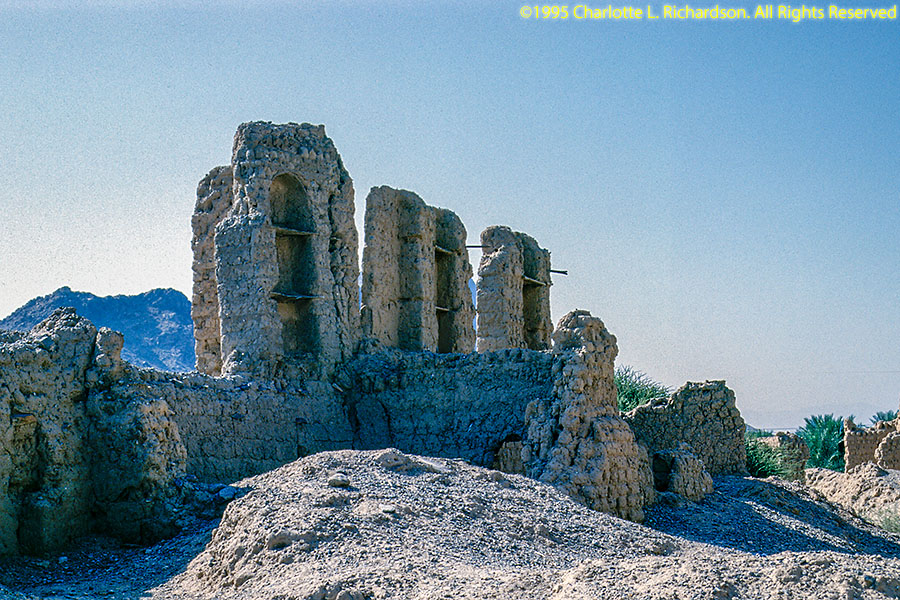
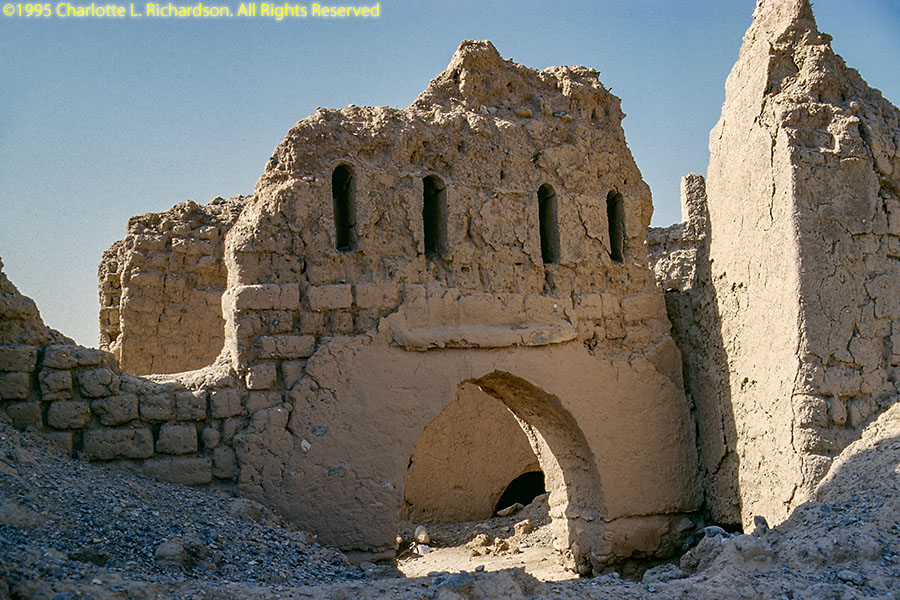
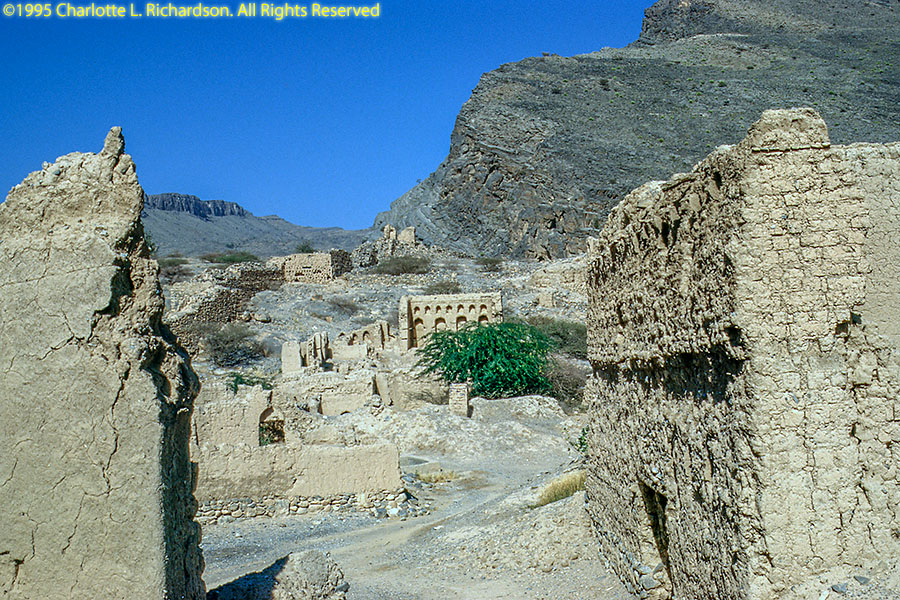
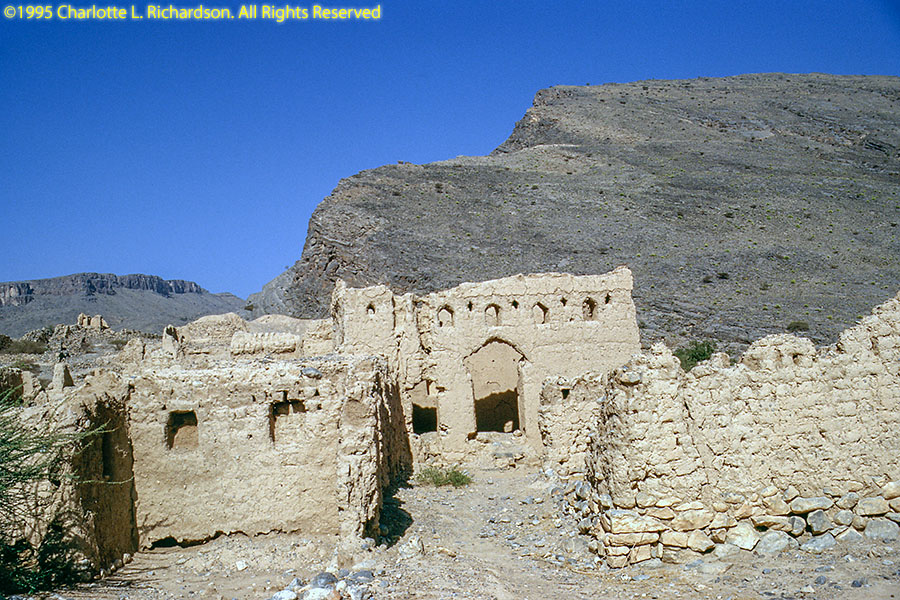
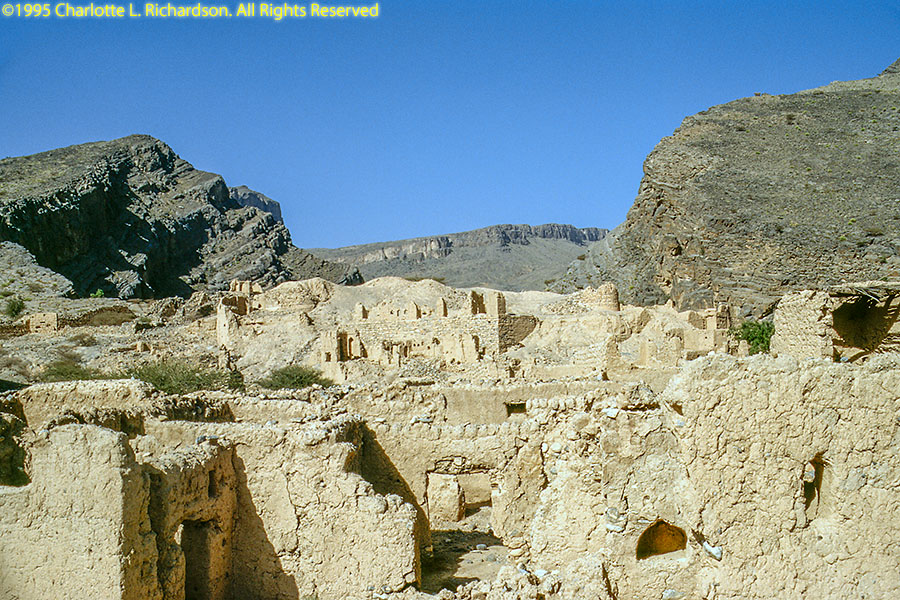
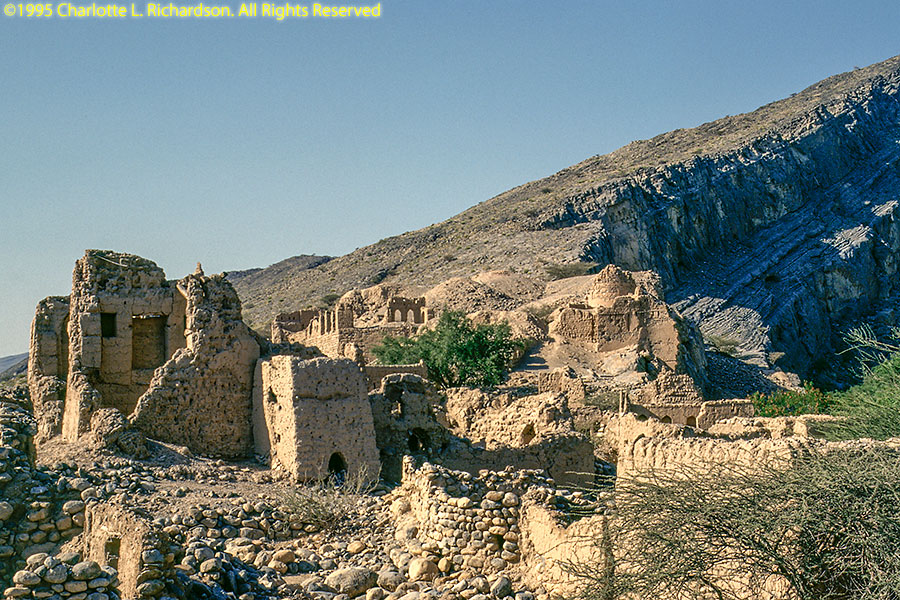
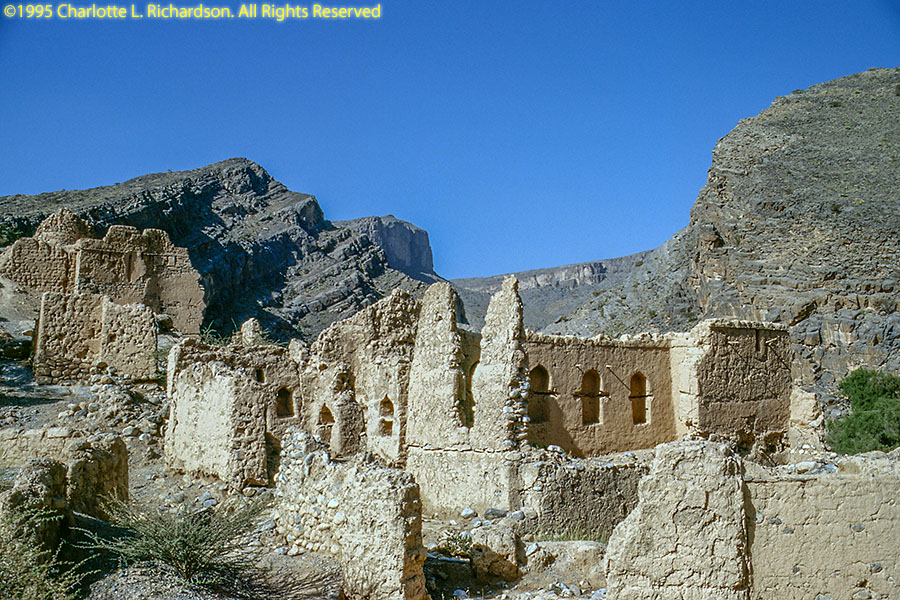
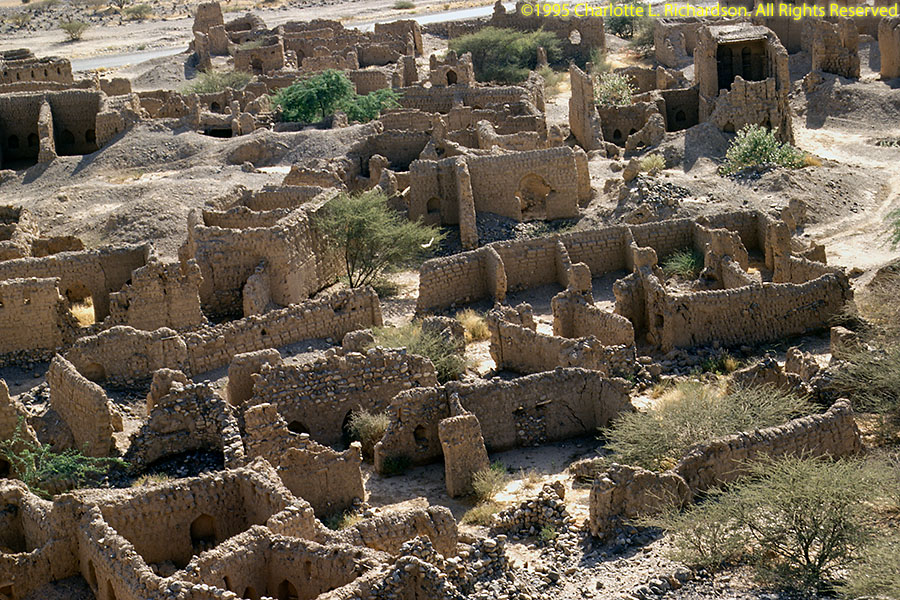
We flew south to Salalah, the capital of Dhofar Province, Oman's second largest city and the birthplace of then-Sultan Qaboos. This corner of Oman catches some of the Indian Ocean monsoons in the fall and is much less barren than the northern part of the country. There are coconut palms instead of date palms, and even banana plantations outside of Salalah. The coastal plain is gravelly and backed by the escarpments of the Jabal Al Qara and Jabal Samhan mountains and high plateau. The terrain of the plateau varies greatly. Some areas are dry grasslands with forests in the wadis and on the slopes of the escarpments.
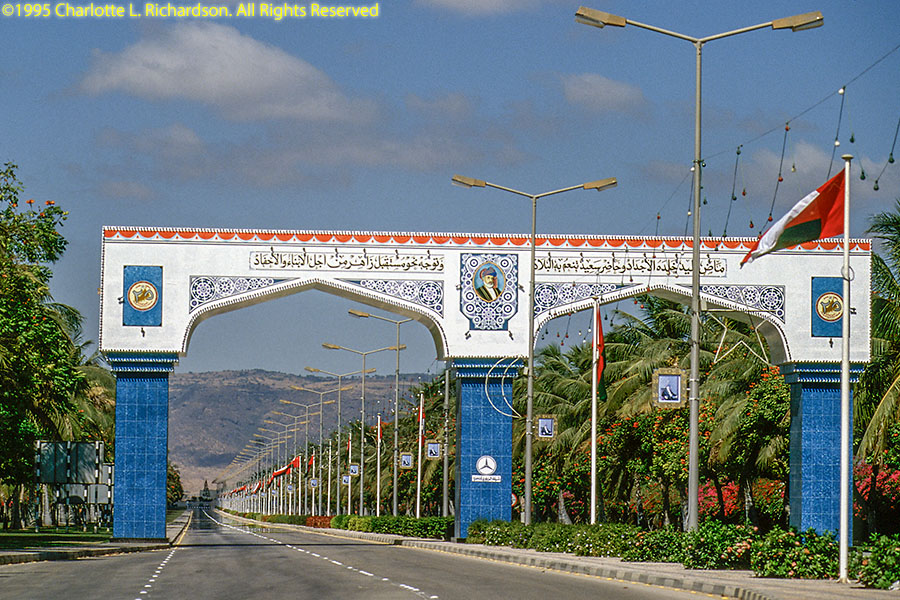
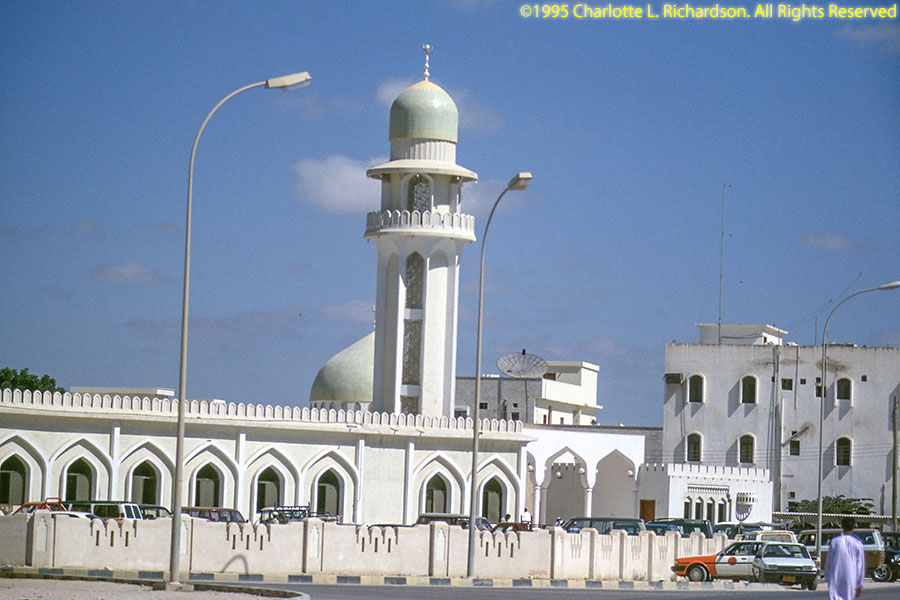
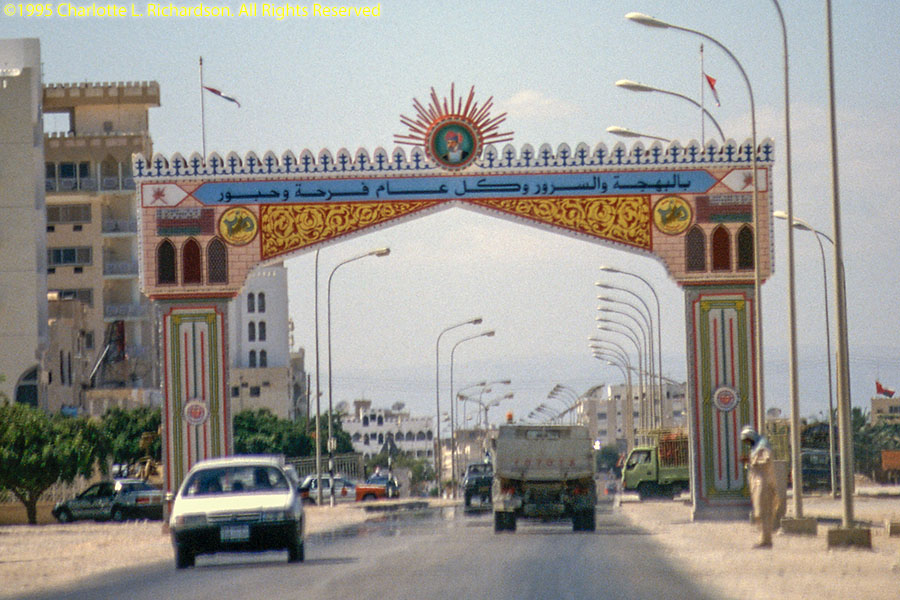
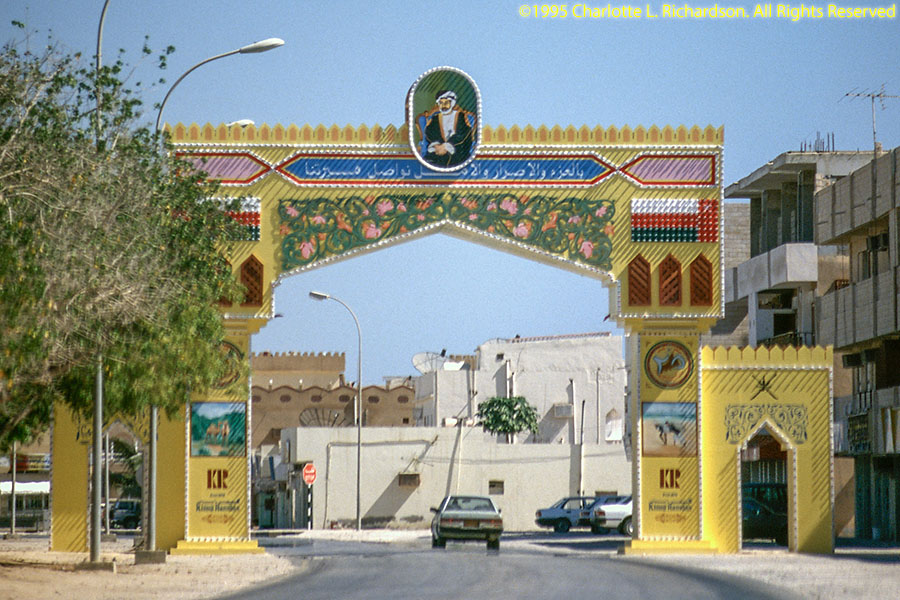
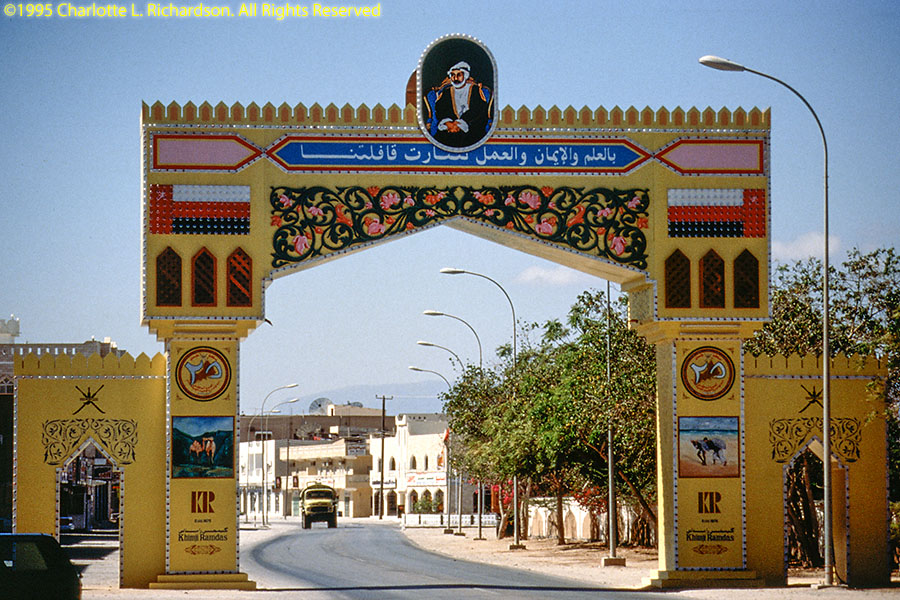
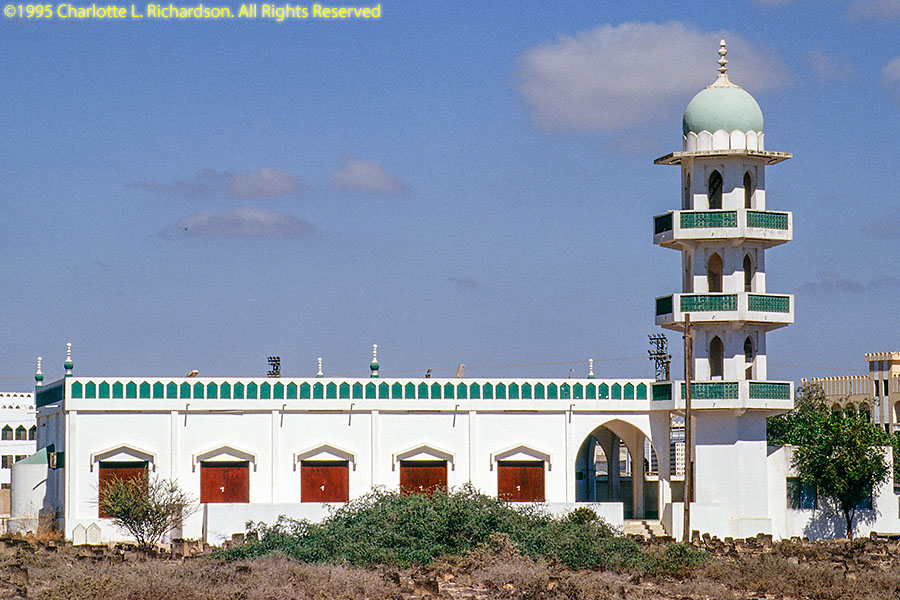
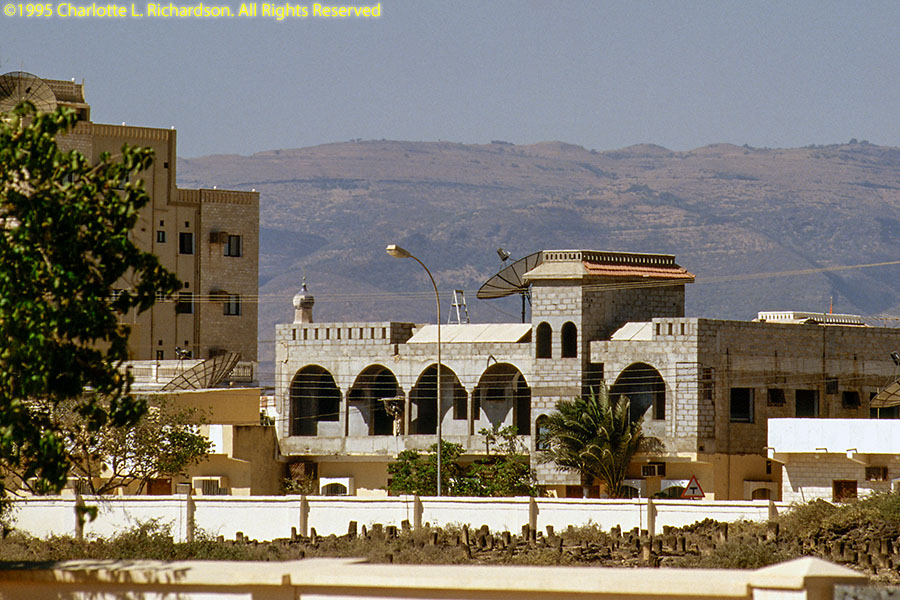
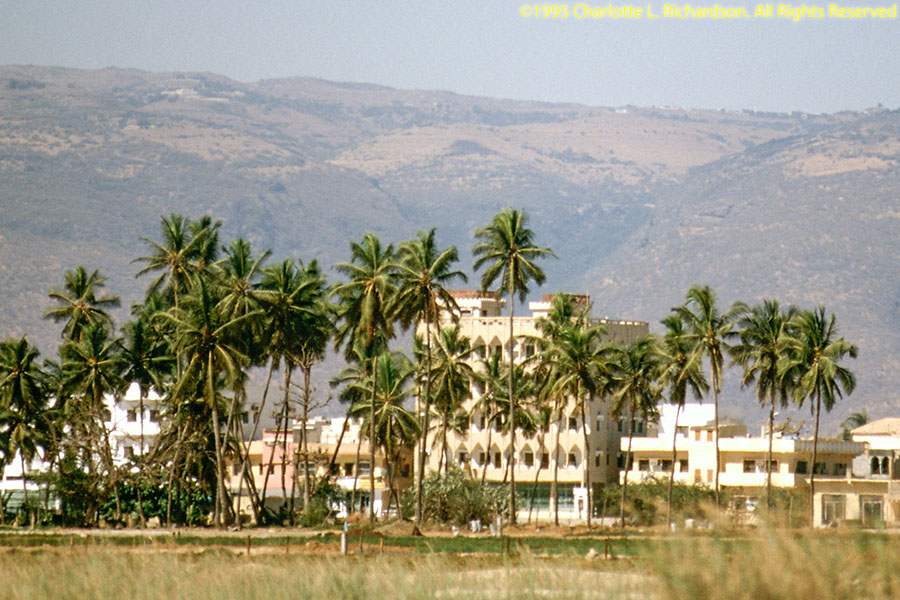
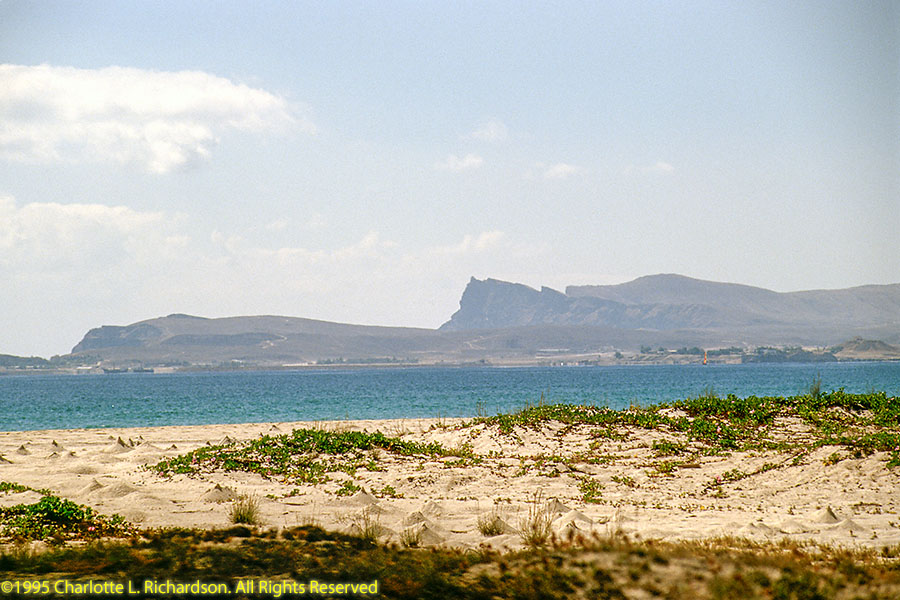
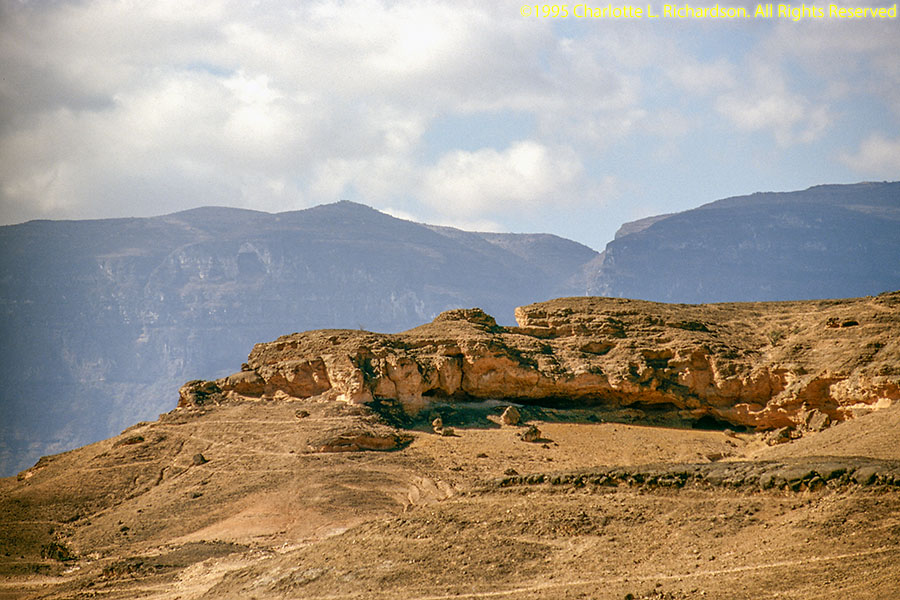
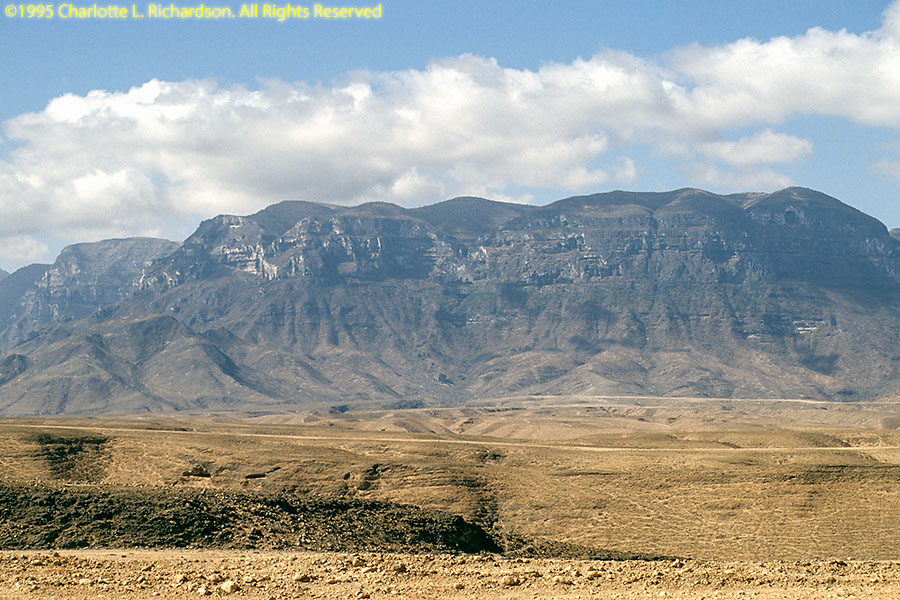
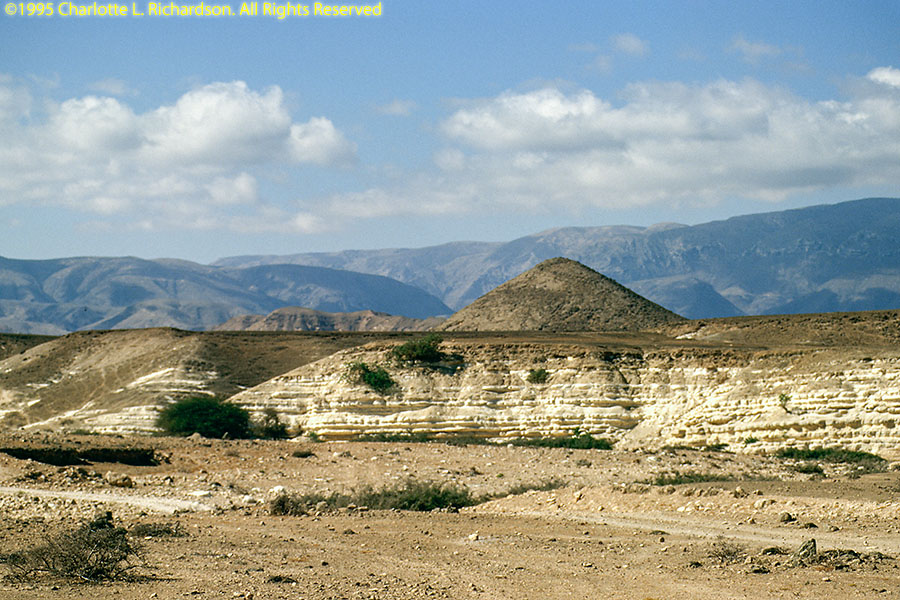
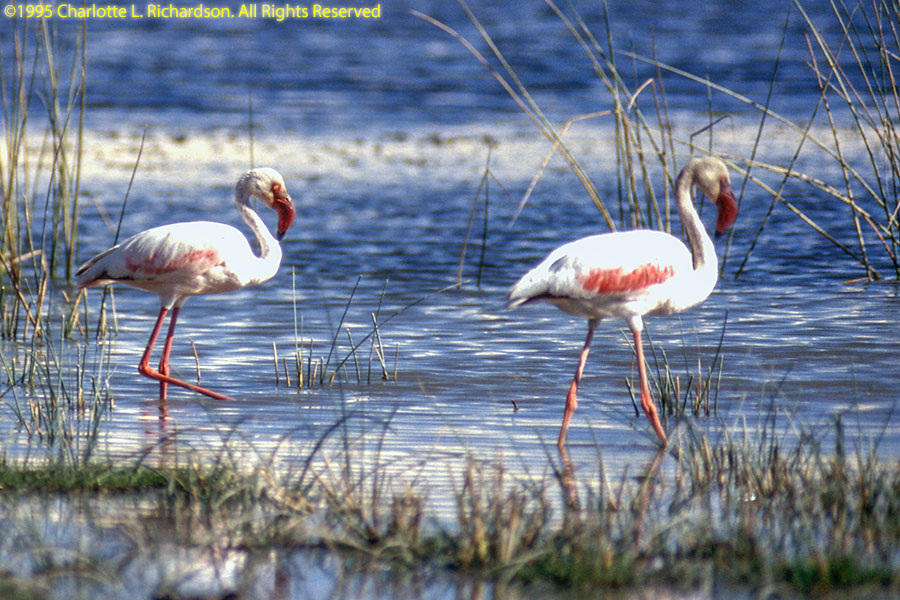
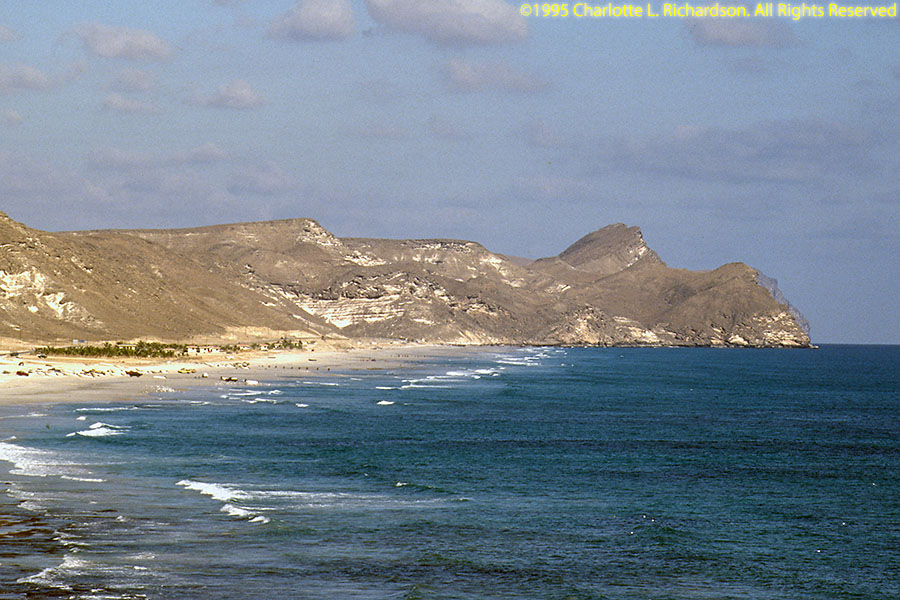
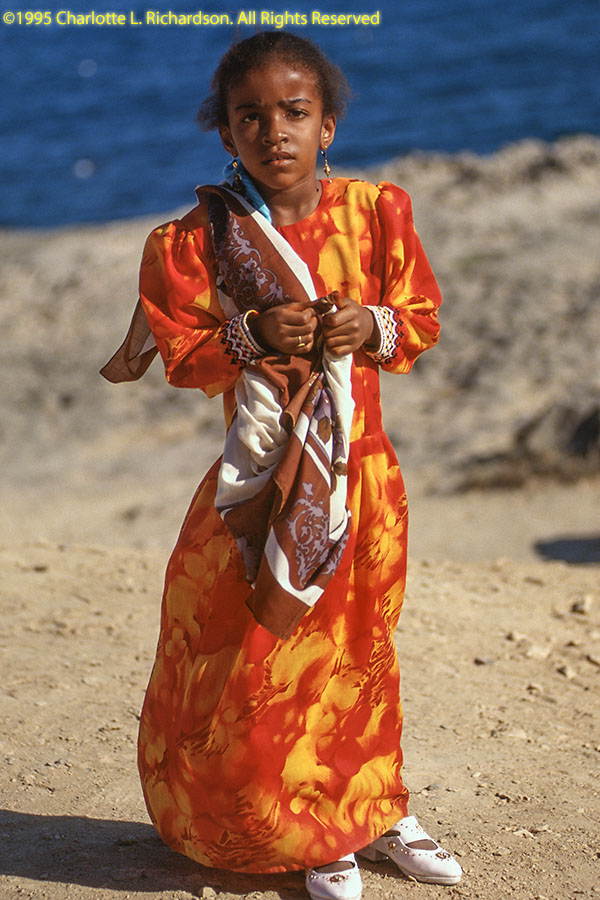
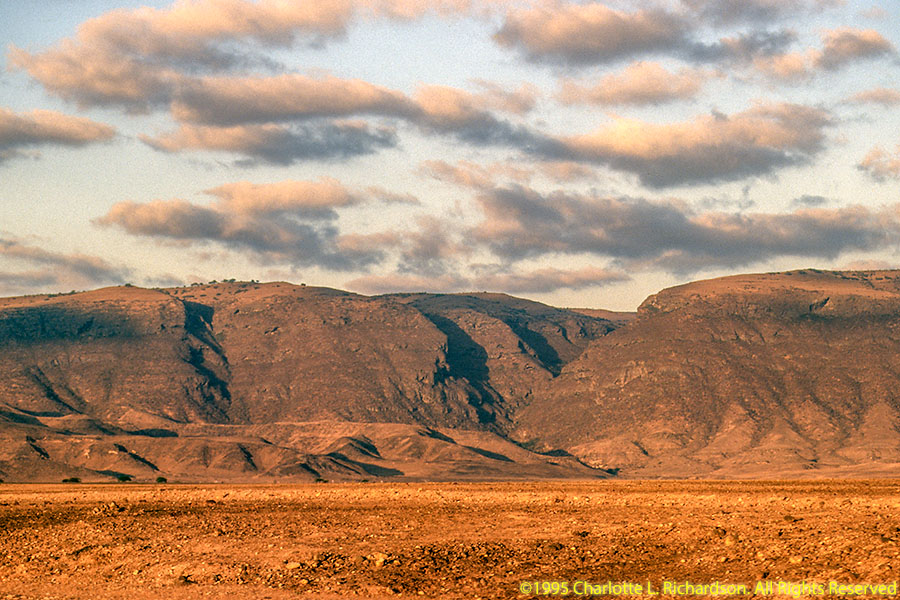
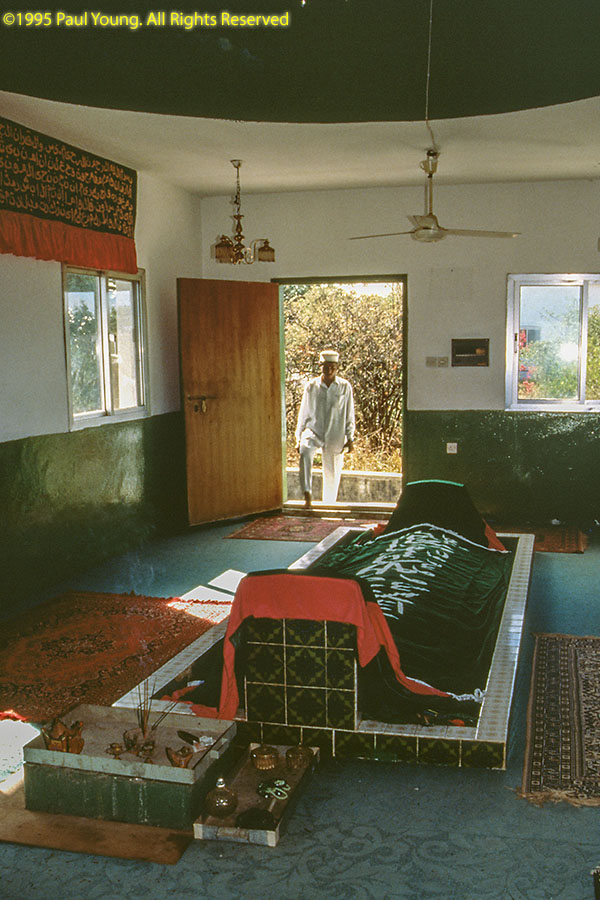
The traditional site of the tomb of Job, Nabi Alyoob, is in one of the grassland areas of the plateau where cattle compete with camels as highway hazards.
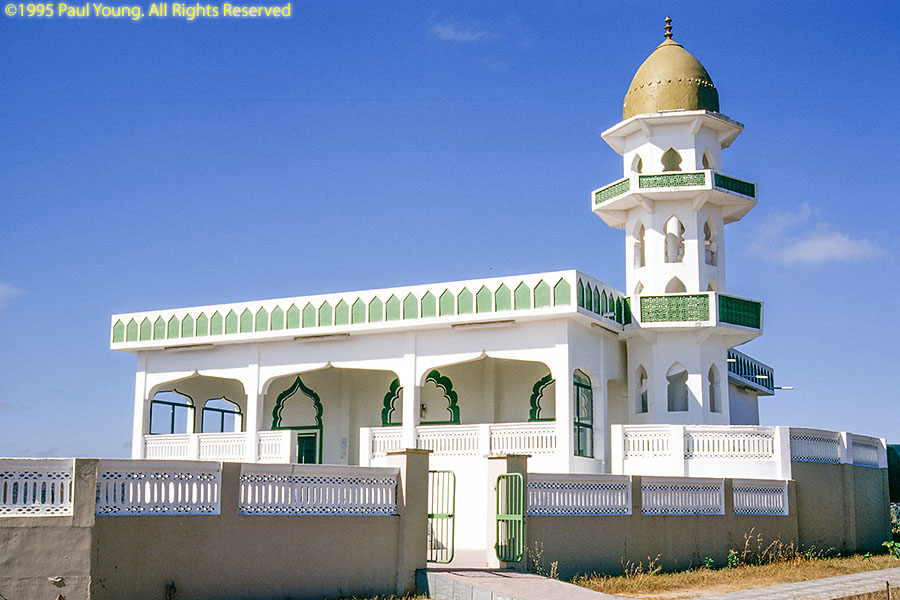
The main reasons we wanted to go to Dhofar Province were to photograph the frankincense trees,
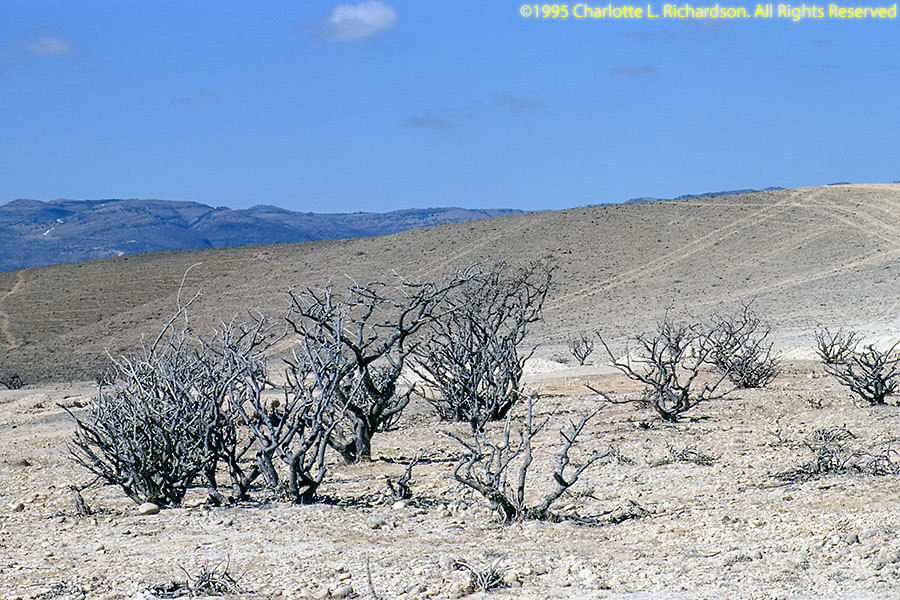
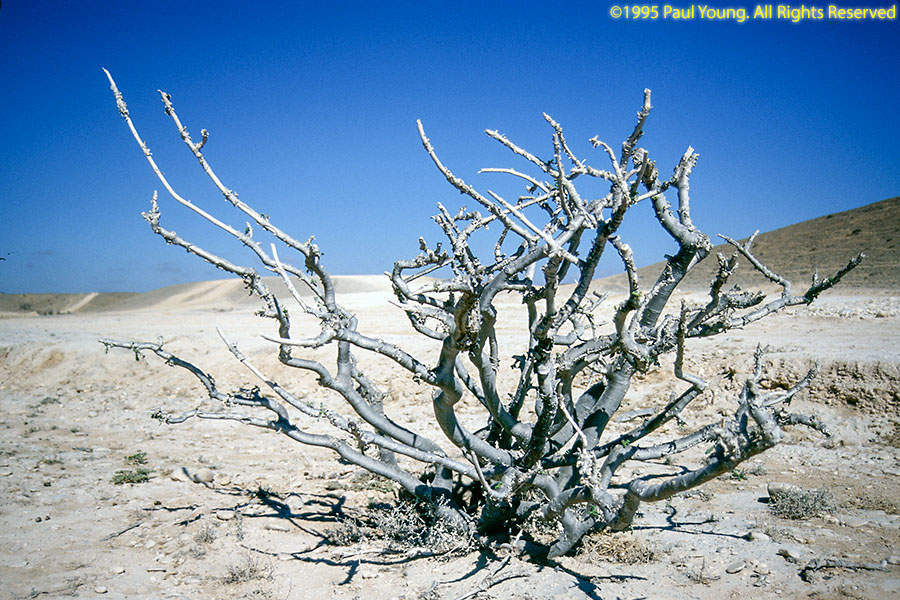
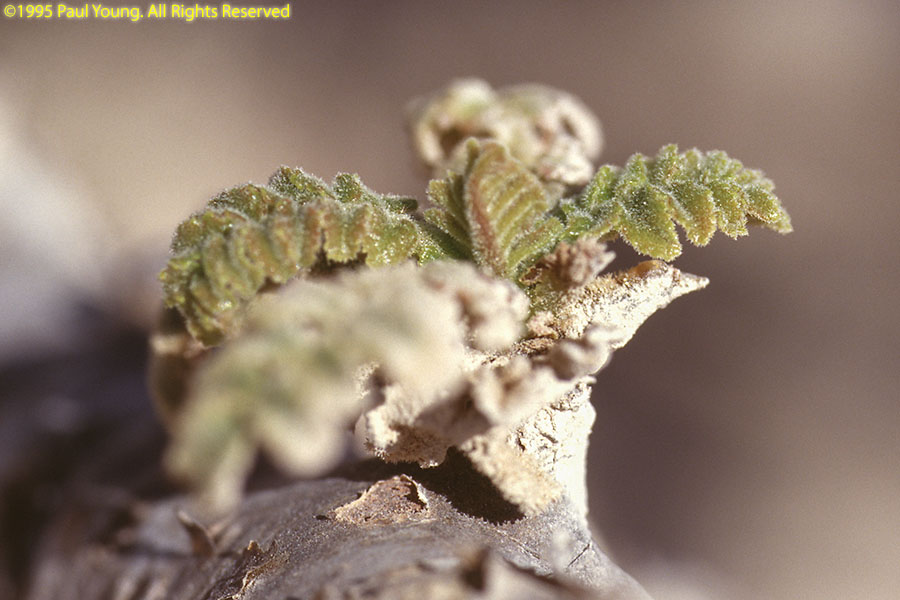
see the ruins of the fabled frankincense trading port of Samharan at Khor Rauri, and do some scuba diving.
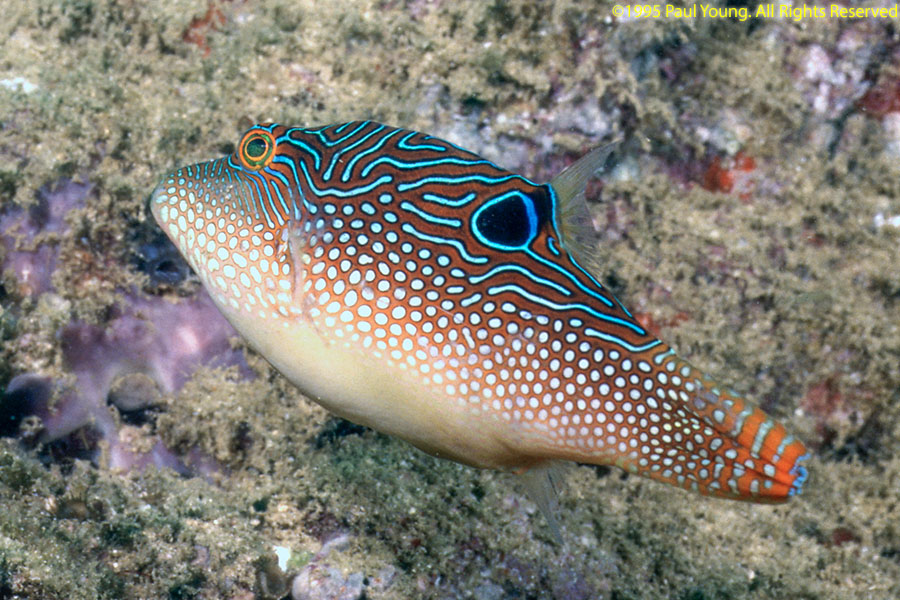
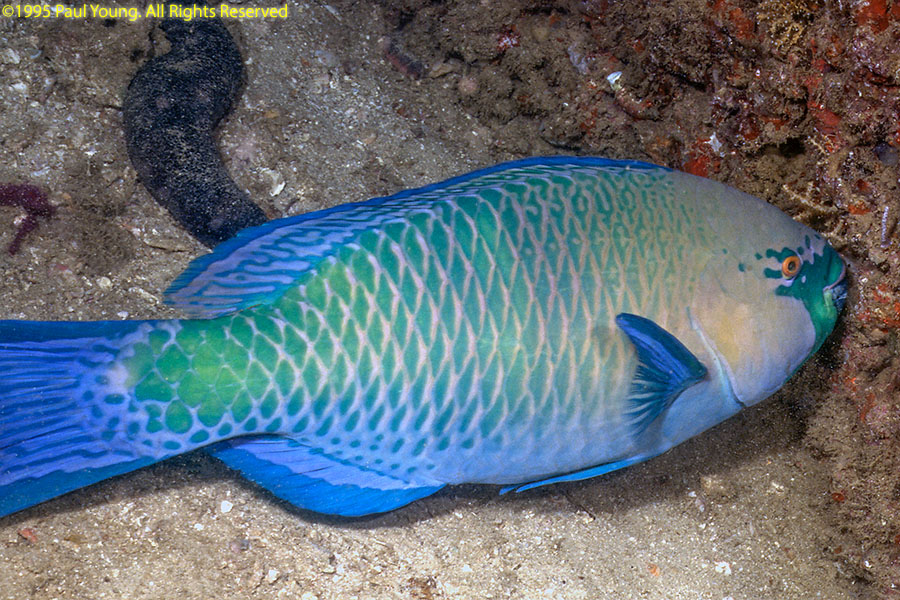
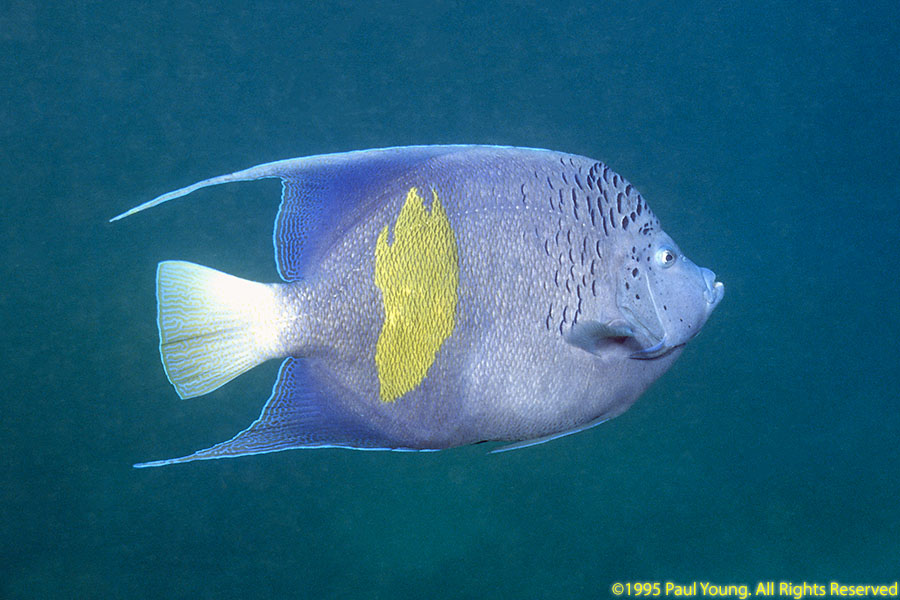
We spent one day shore diving from about 15km beyond the end of the road east of Mirbat.
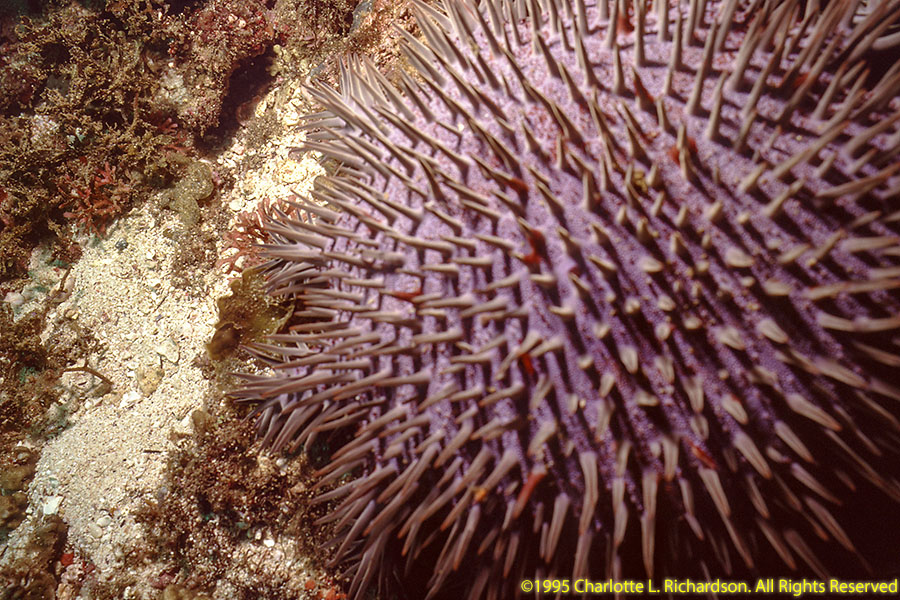 Crown-of-thorns starfish, Acanthaster planci
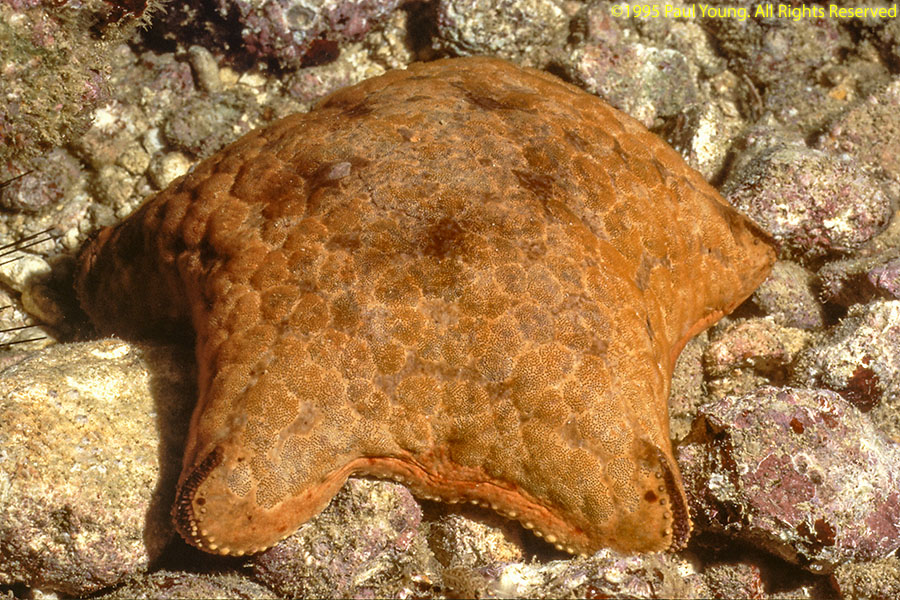
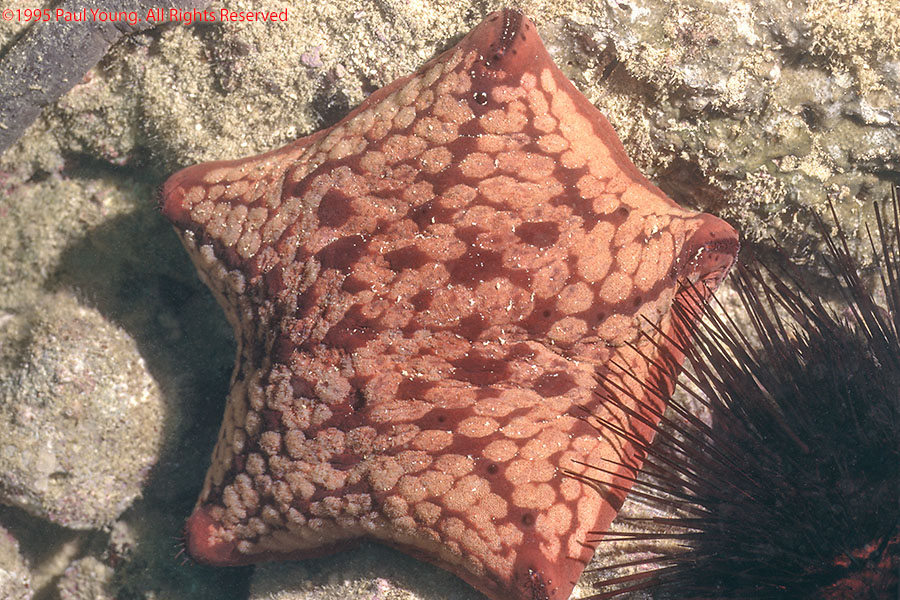
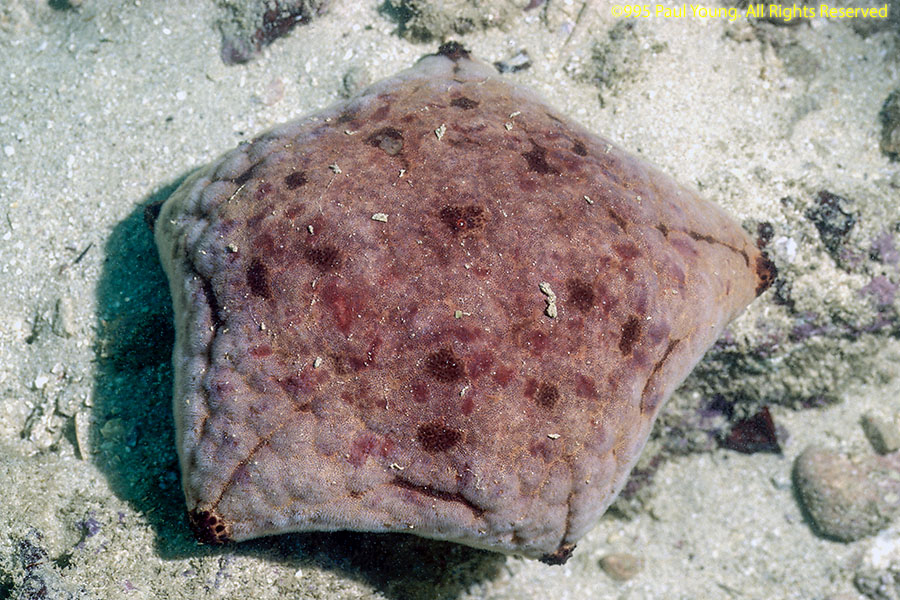
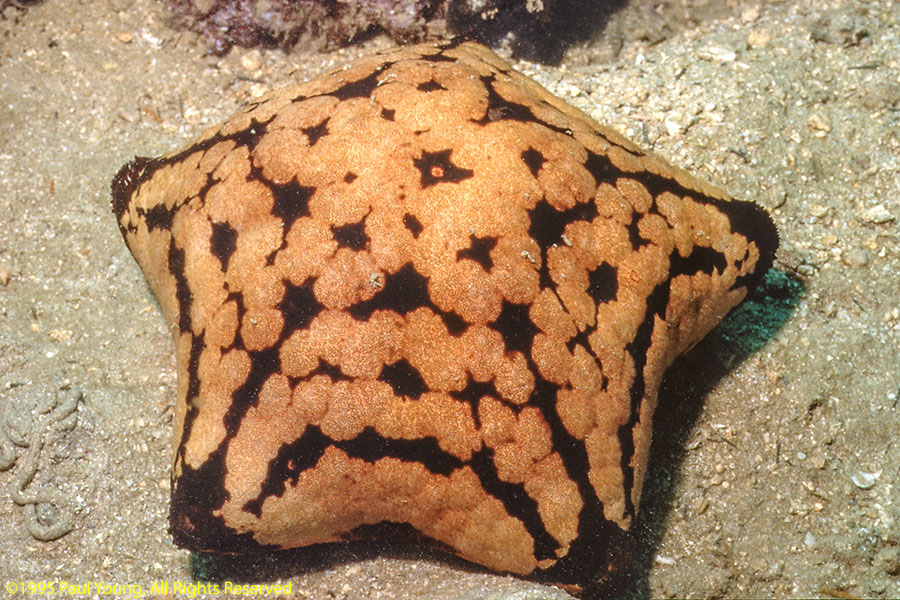
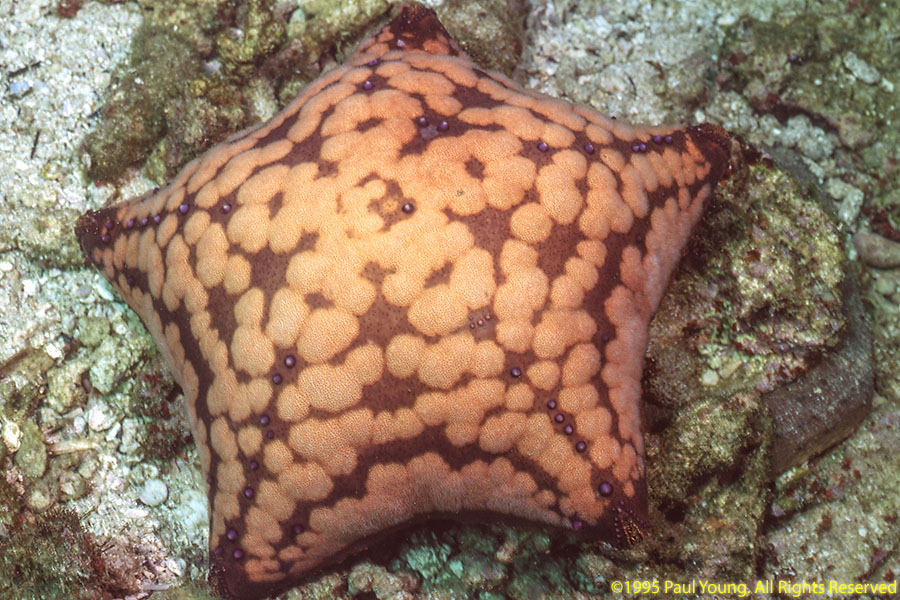 Cushion star, Culcita novaeguineae
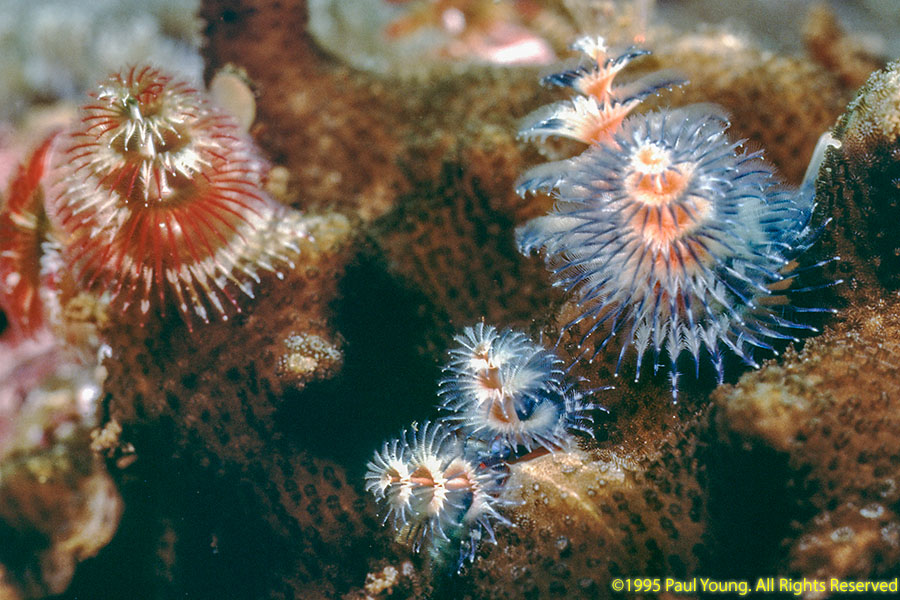 Christmas tree worms, Spirobranchus giganteus
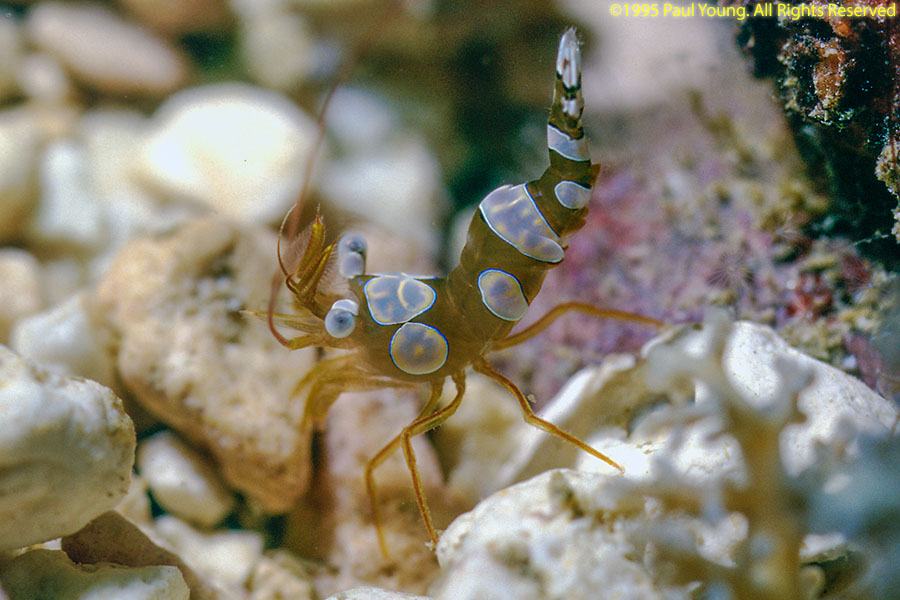
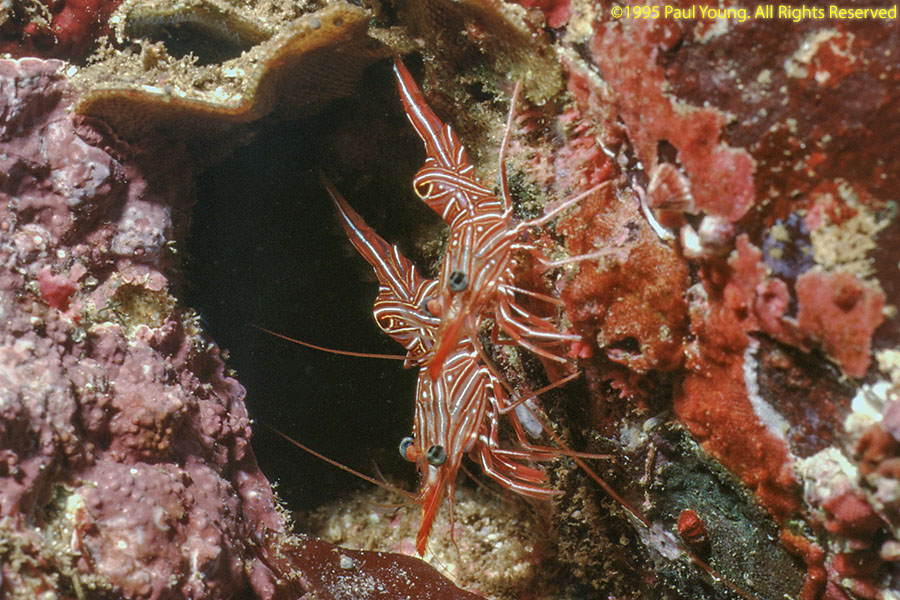 Bruce's hinge-beak shrimp, Rhynchocinetes bruceii
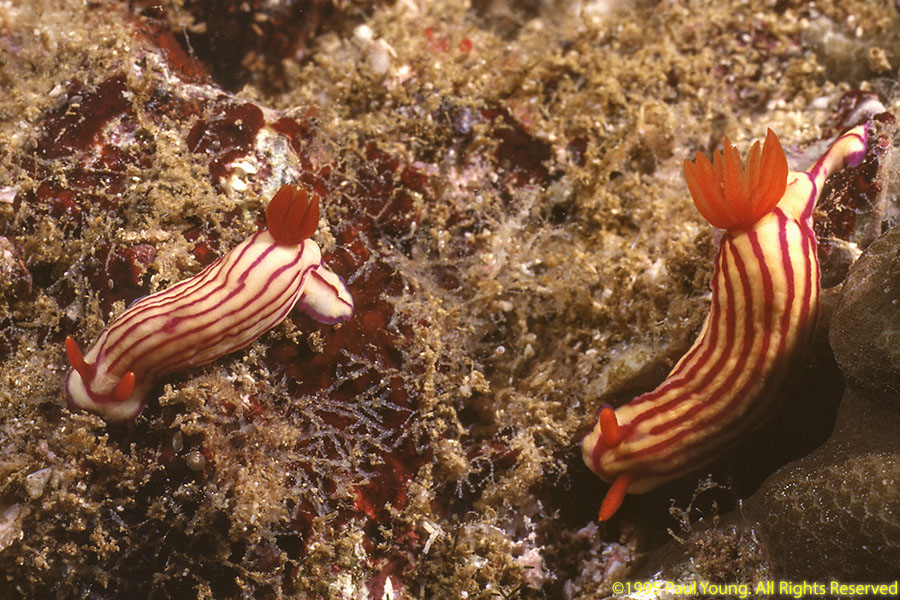
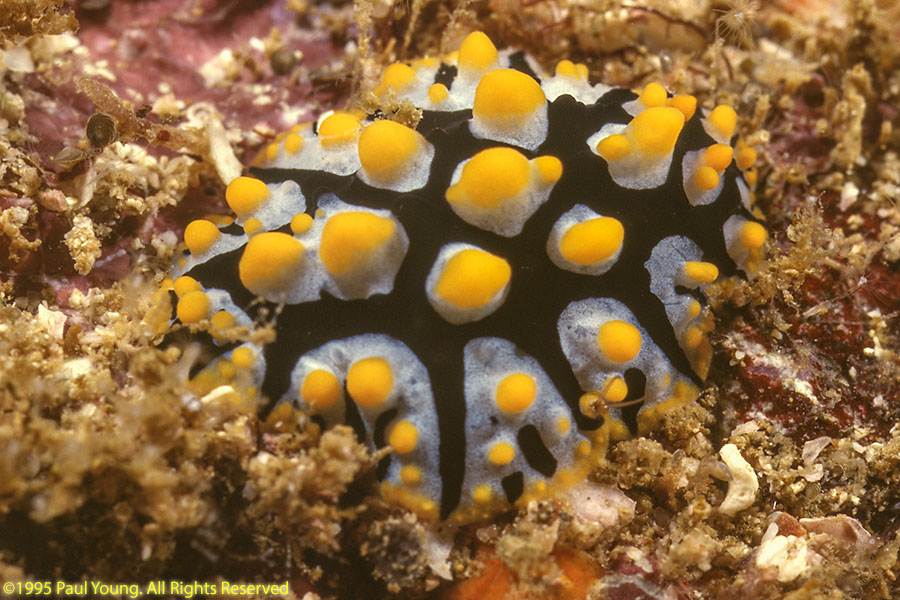
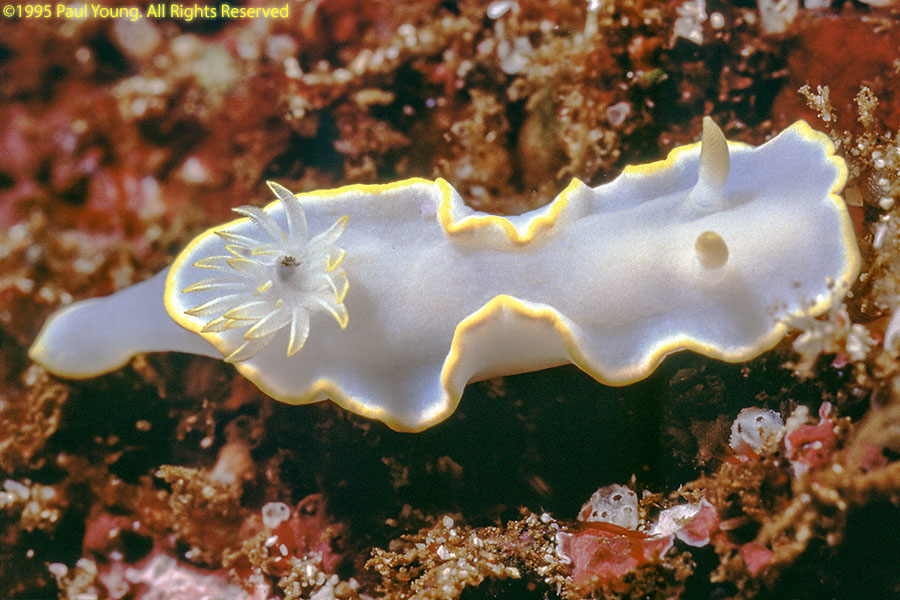 Ardeadoris egretta
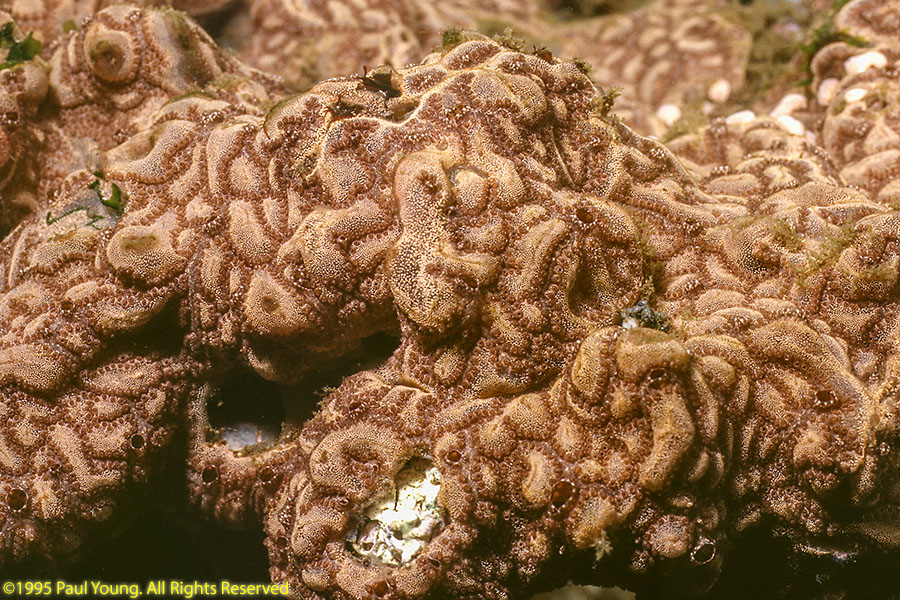 <TBS>
<TBS>
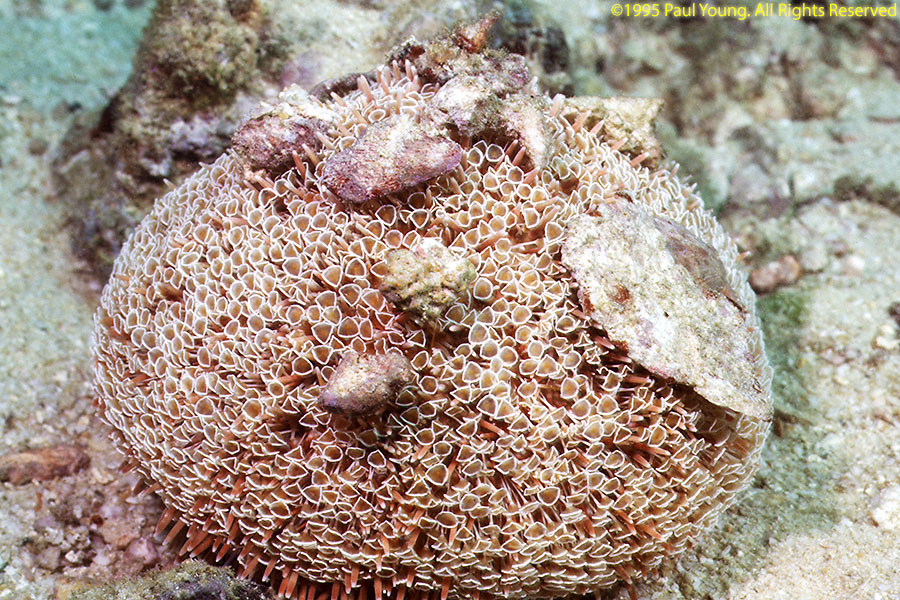
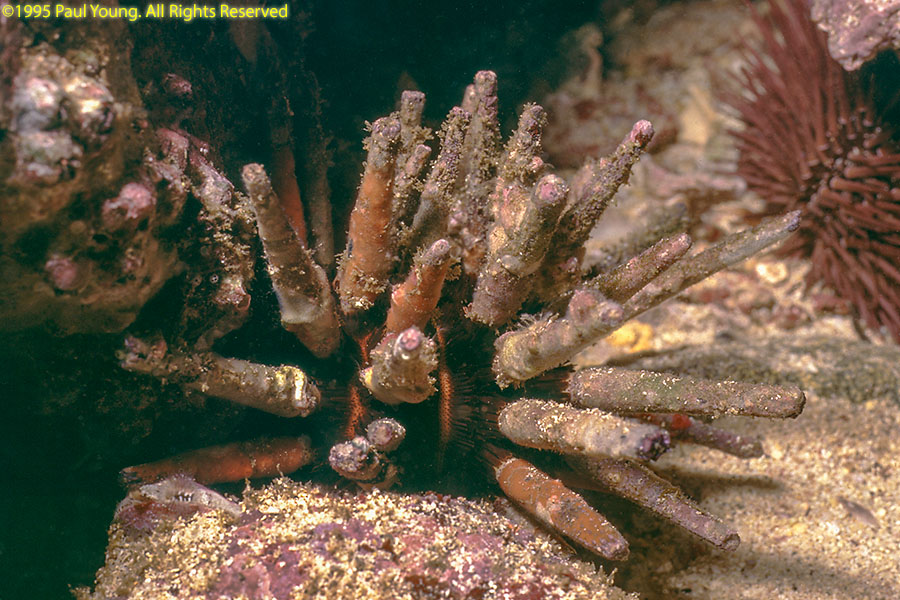 Phyllacanthus imperialis
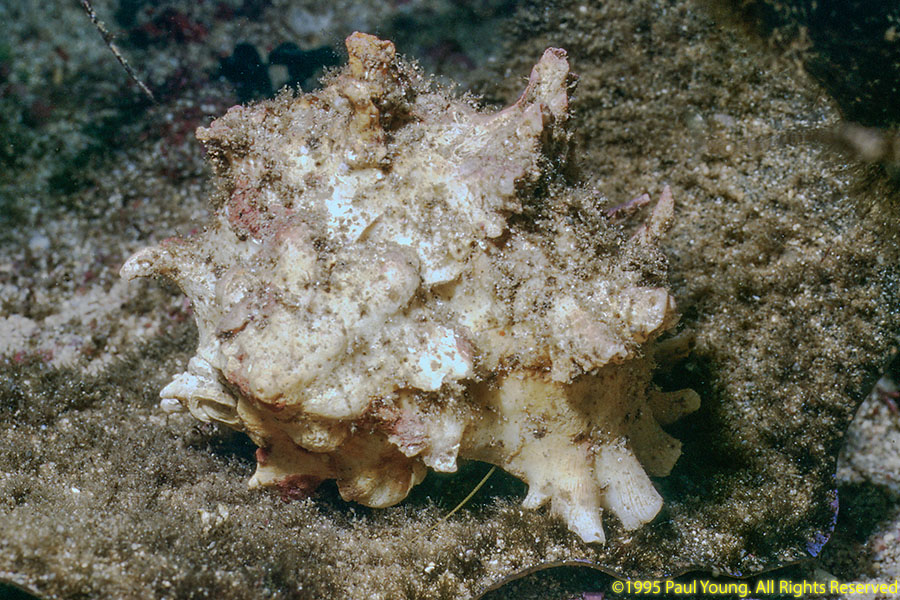
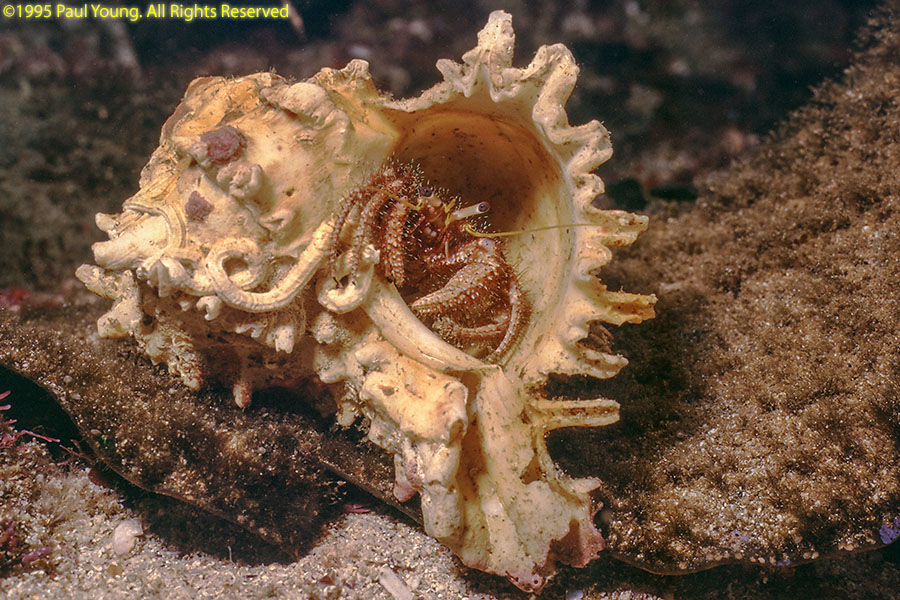 <TBS>
<TBS>
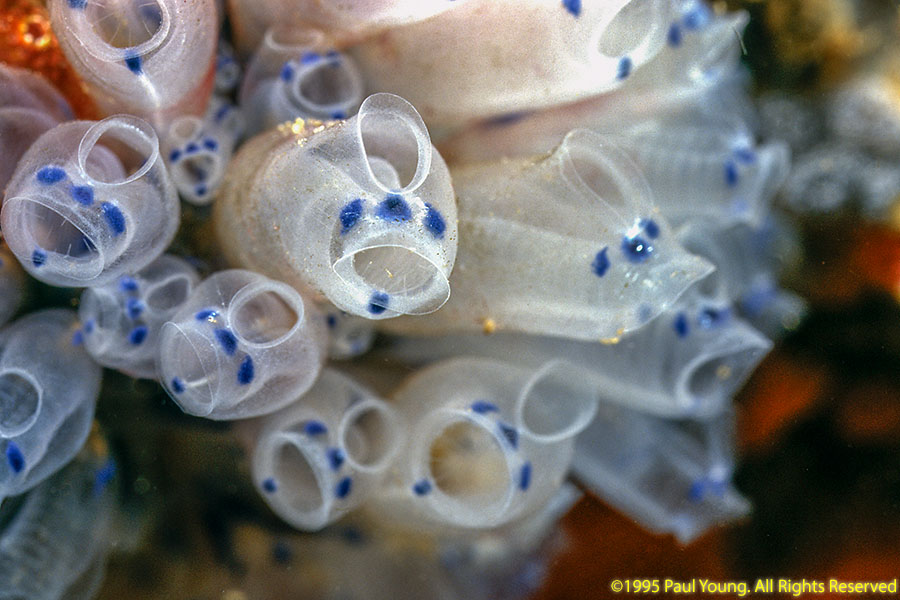 <TBS>
<TBS>
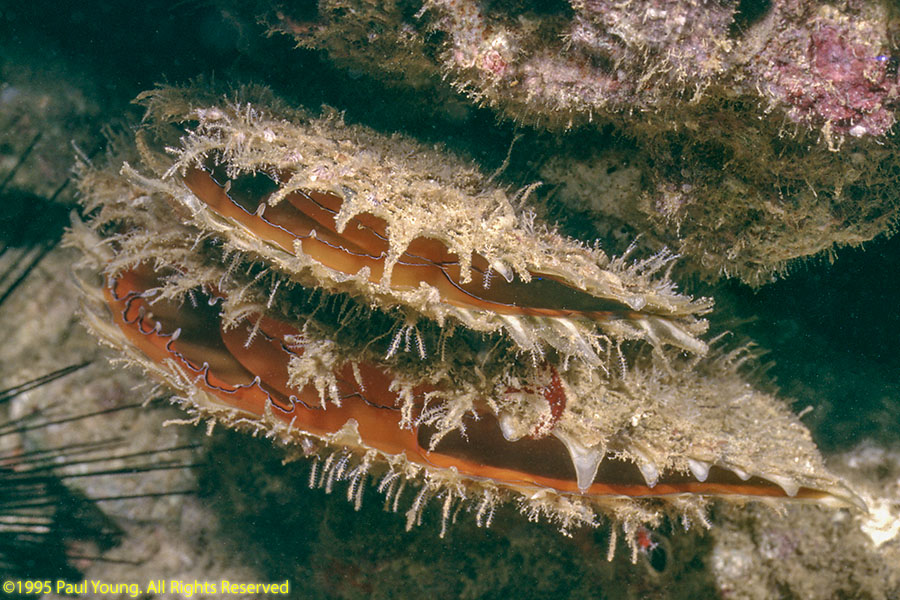
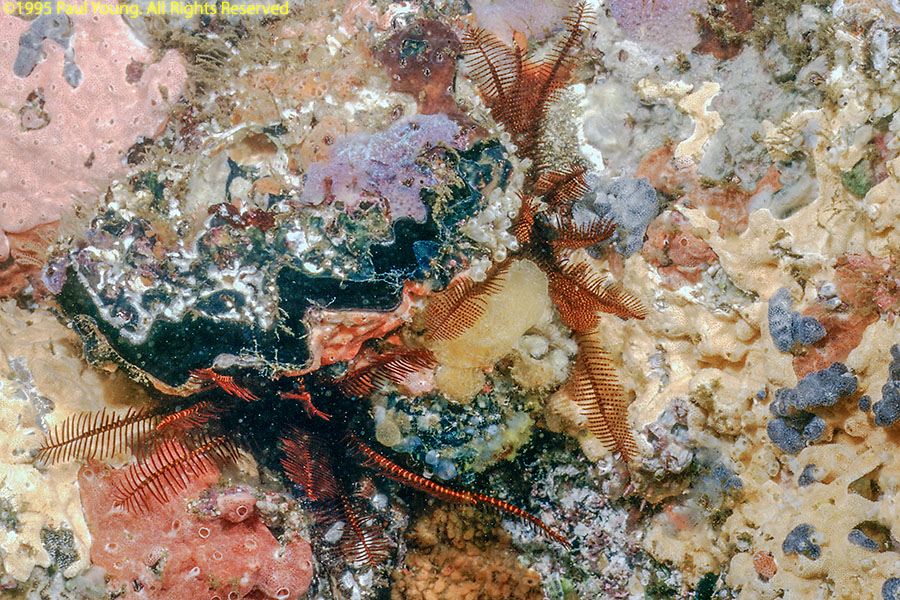 Fingerprint oyster, Alectryonella plicatula
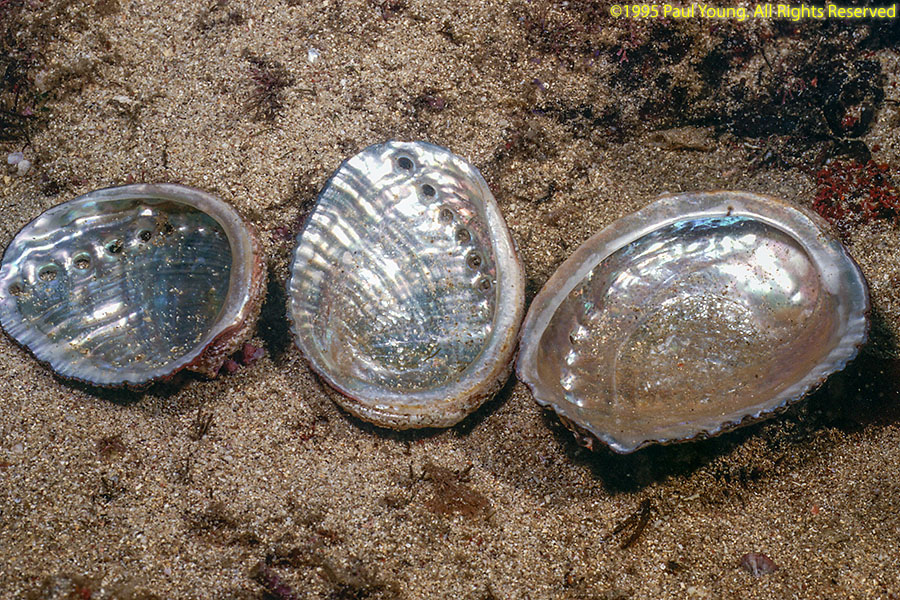 <TBS>
<TBS>
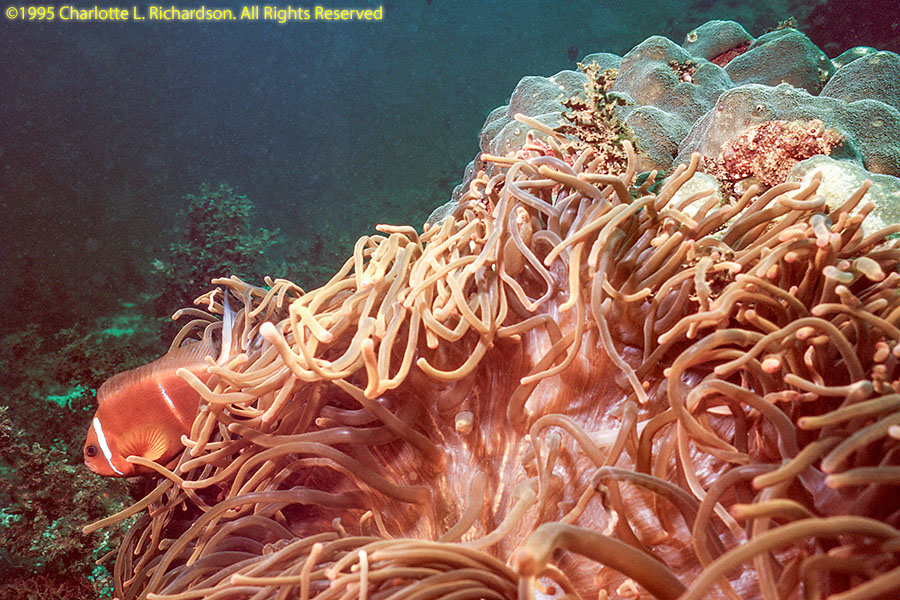
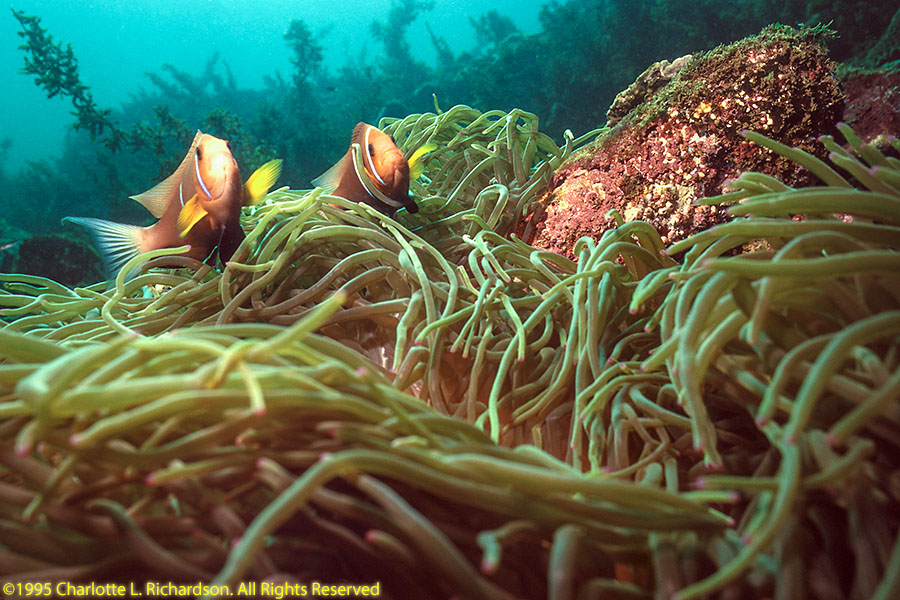
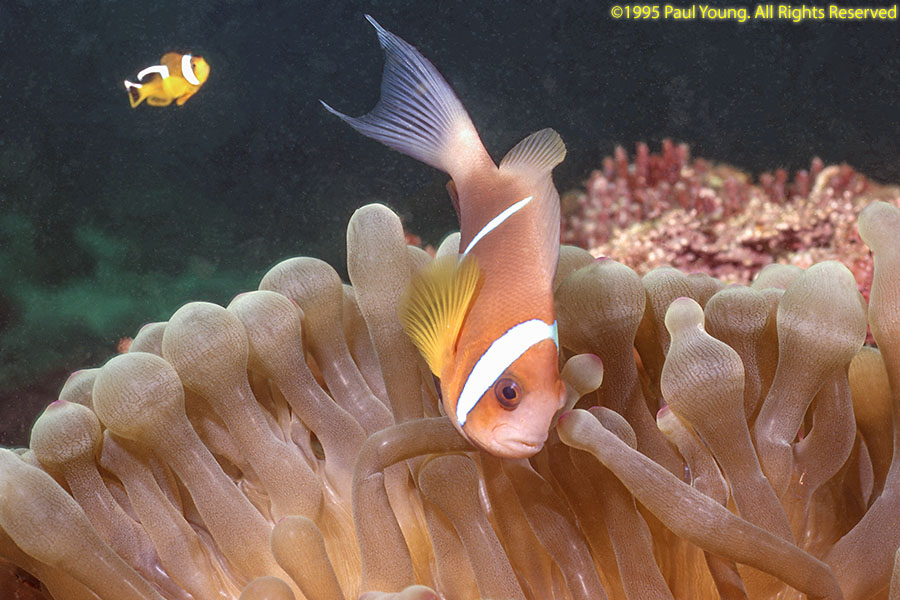
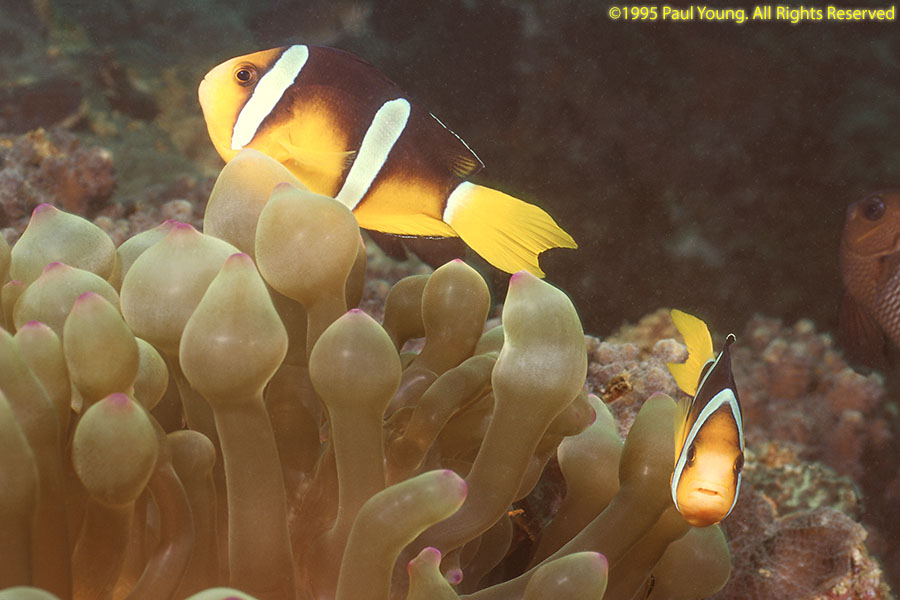
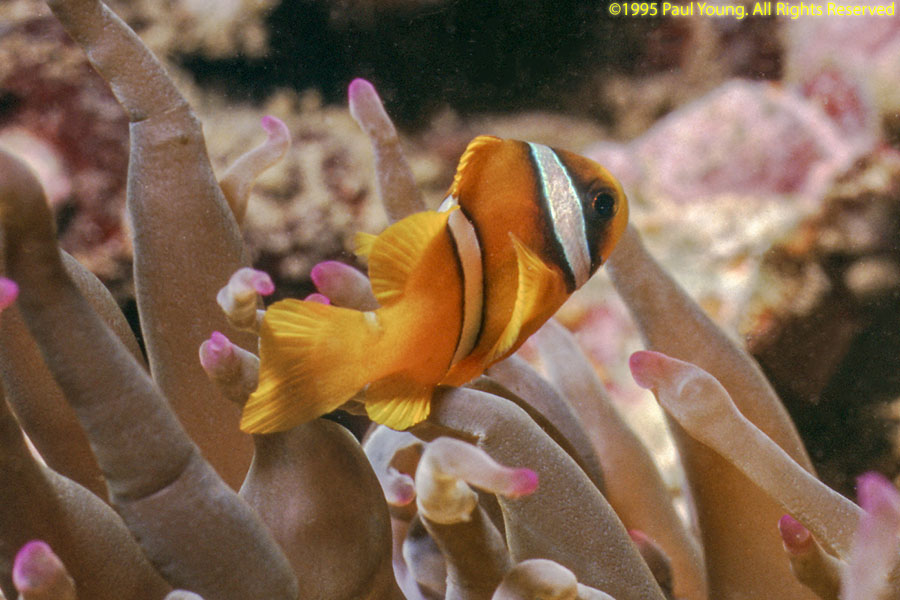
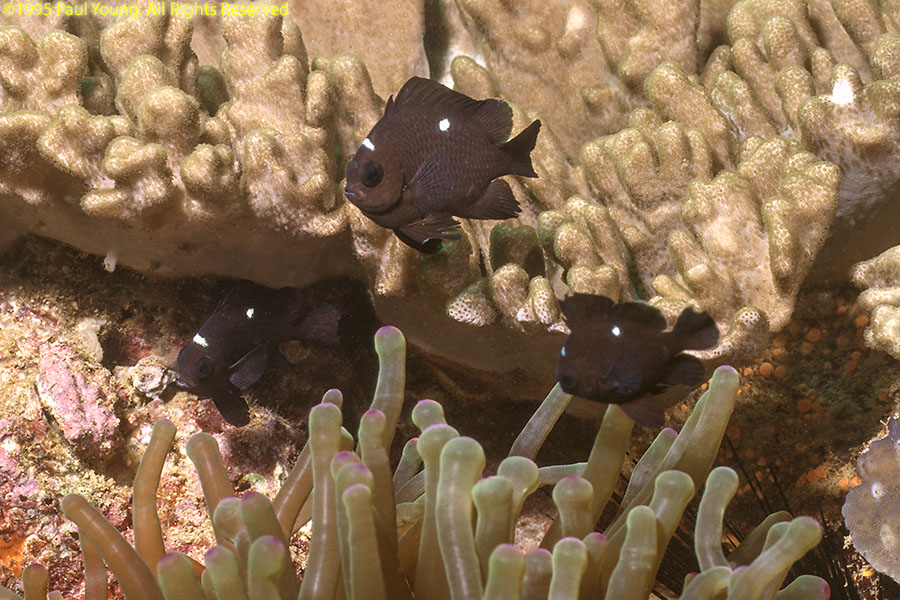
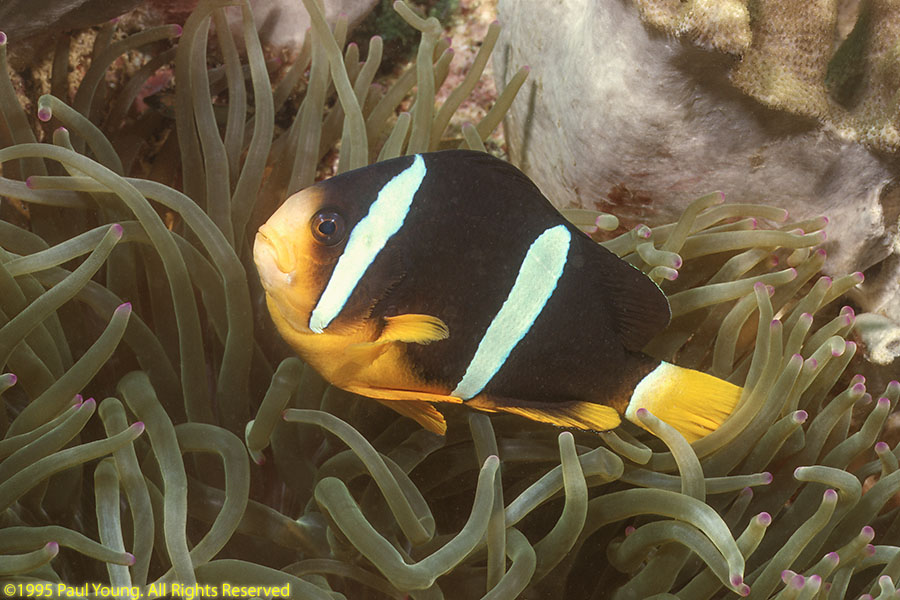
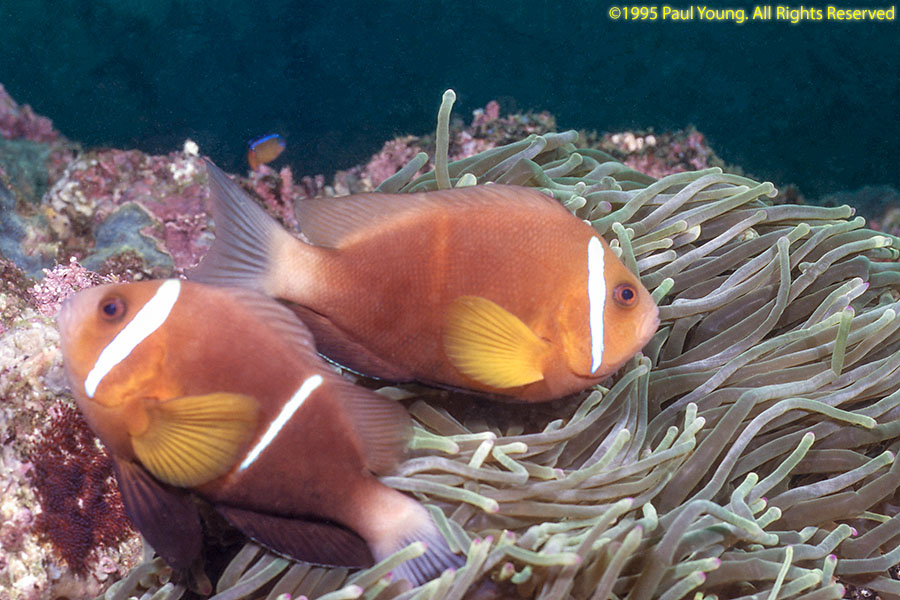 Oman anemonefish, Amphiprion omanensis
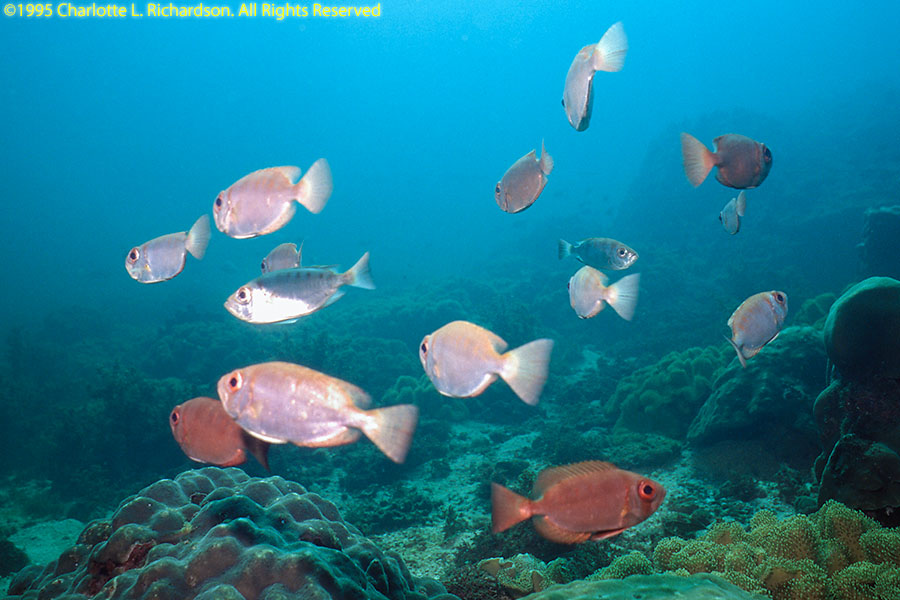 Crescent-tailed bigeyes, Priacanthus hamrur
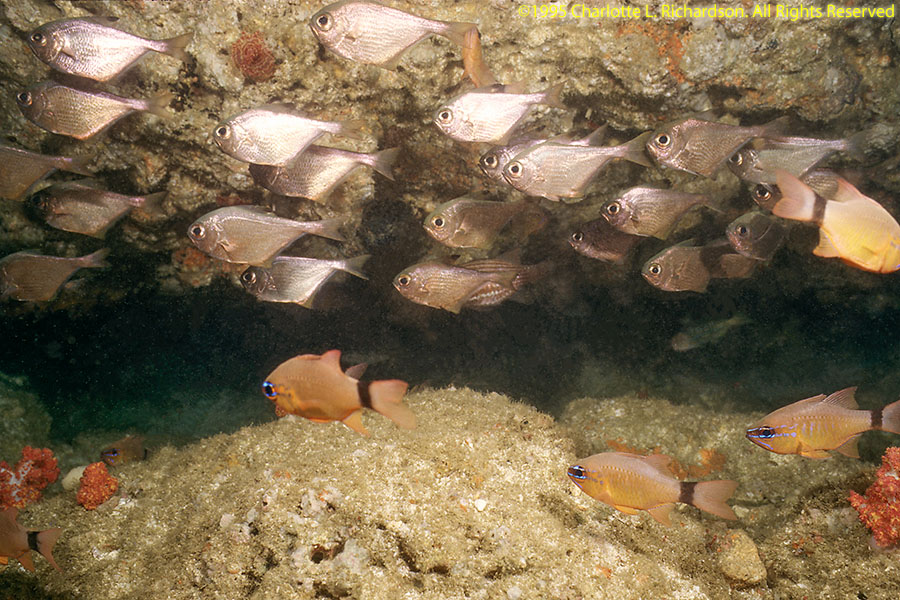
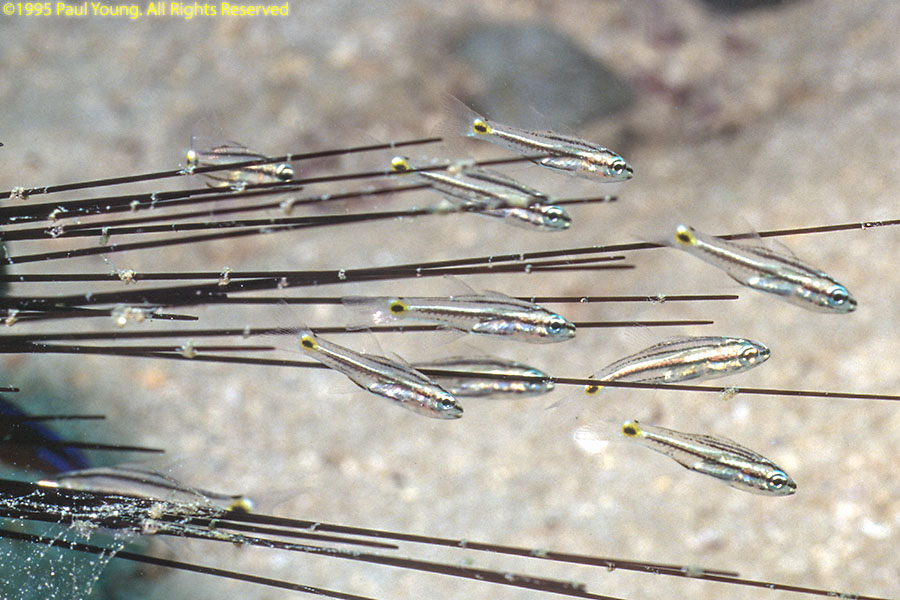
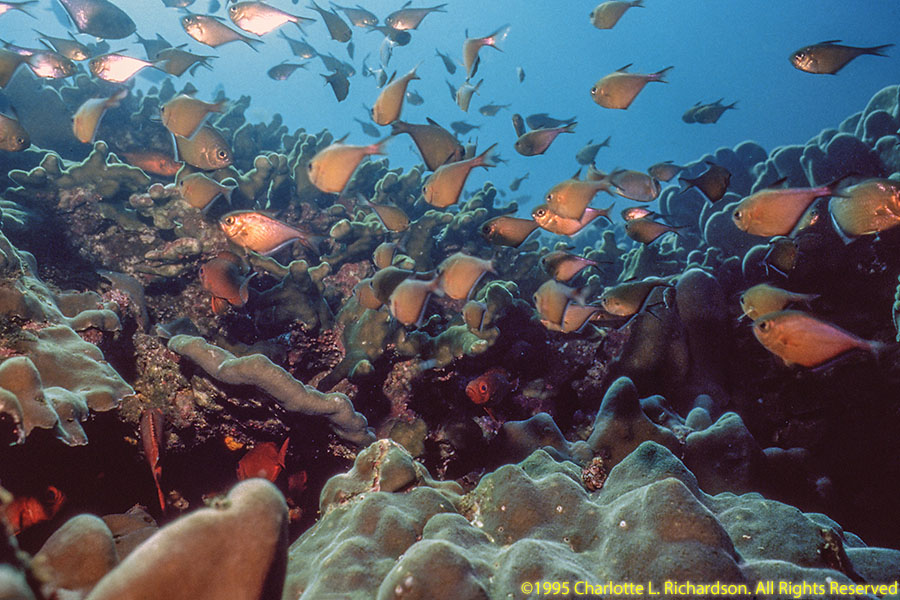 Goldhead sweepers, Parapriacanthus guentheri
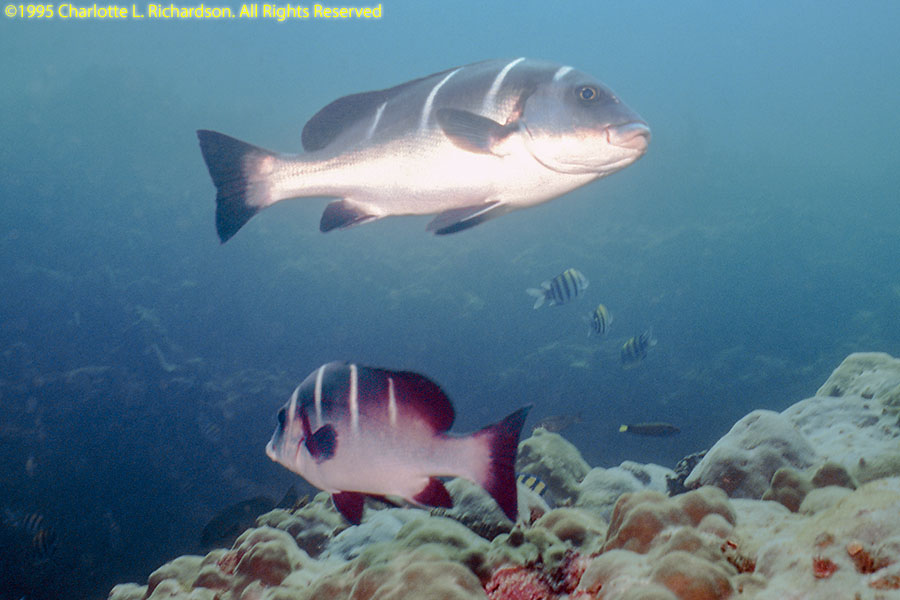
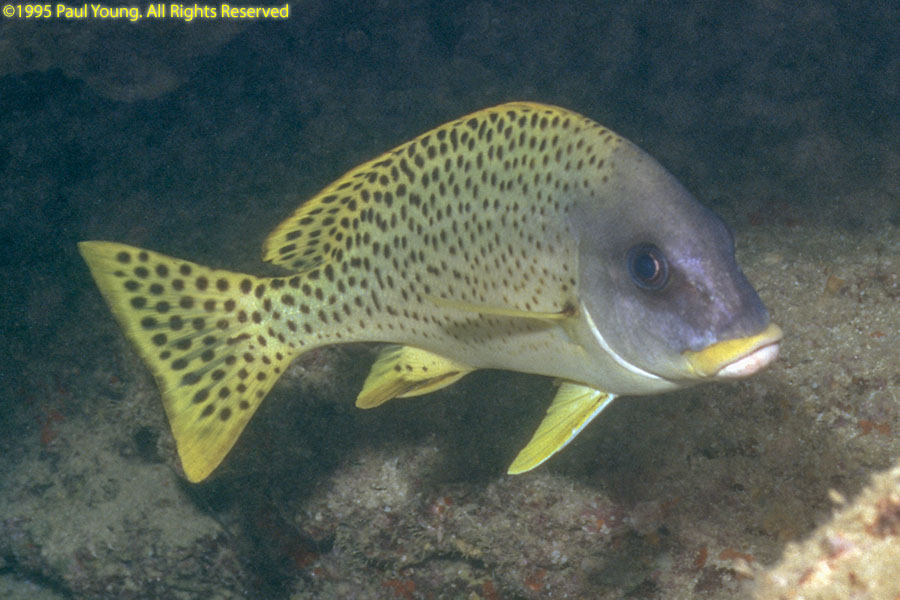
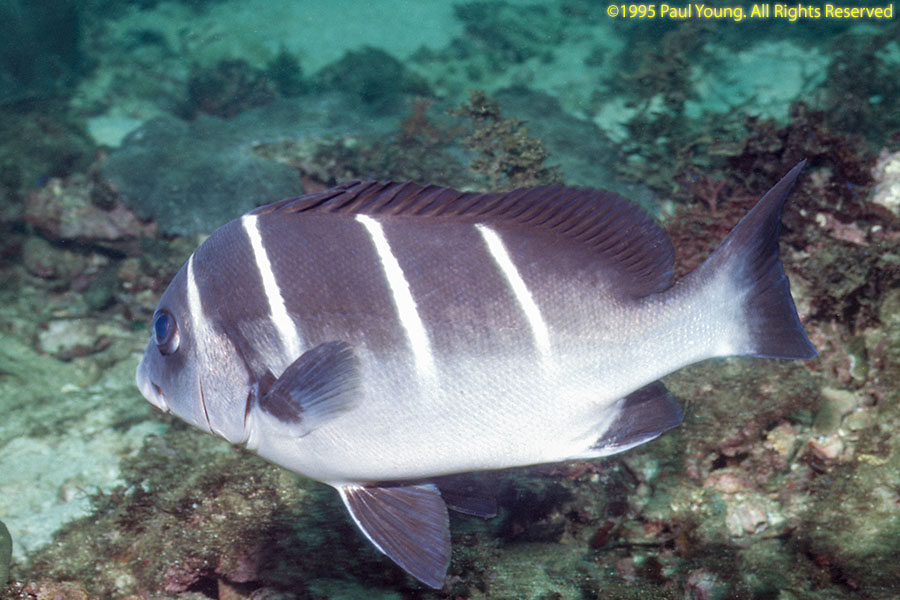 Whitebarred sweetlips, Plectorhinchus playfairi
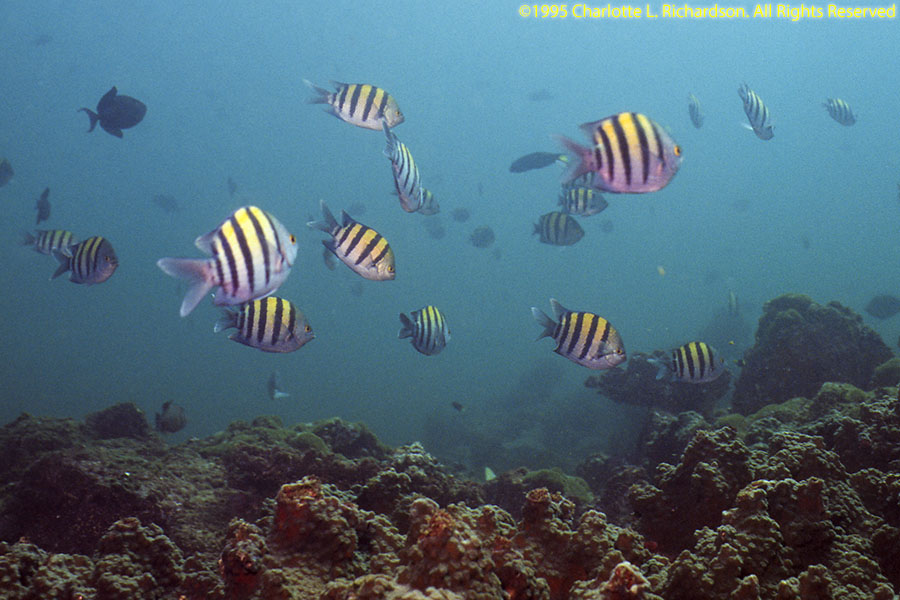
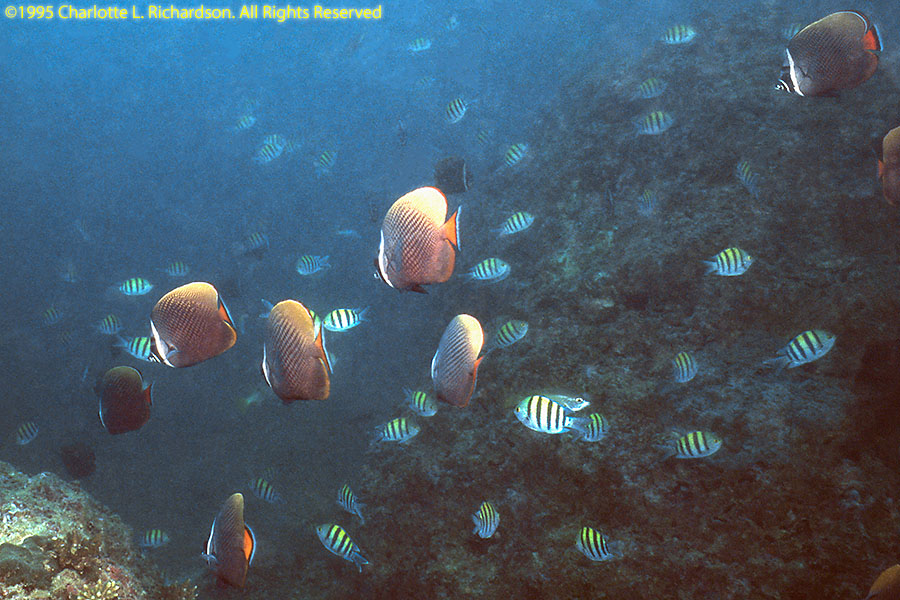
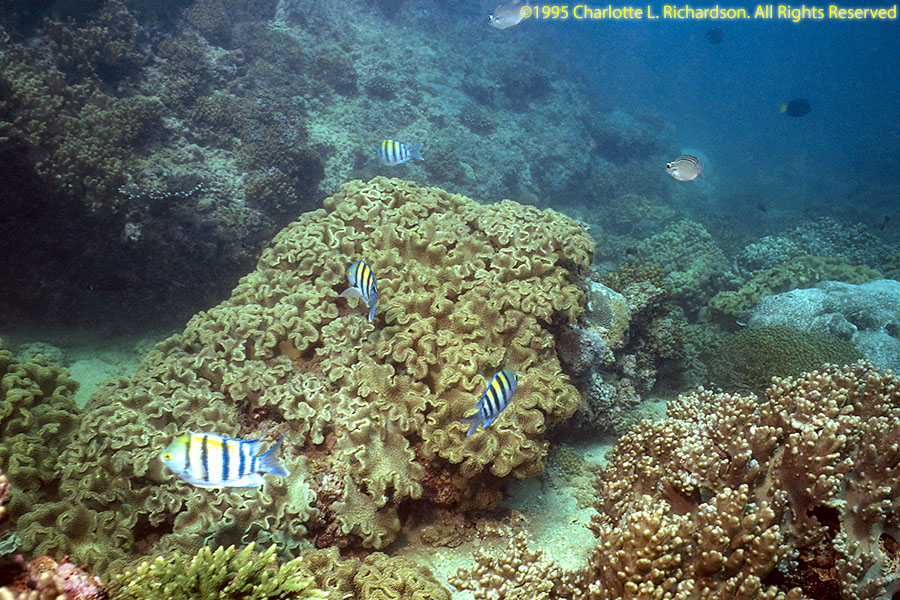
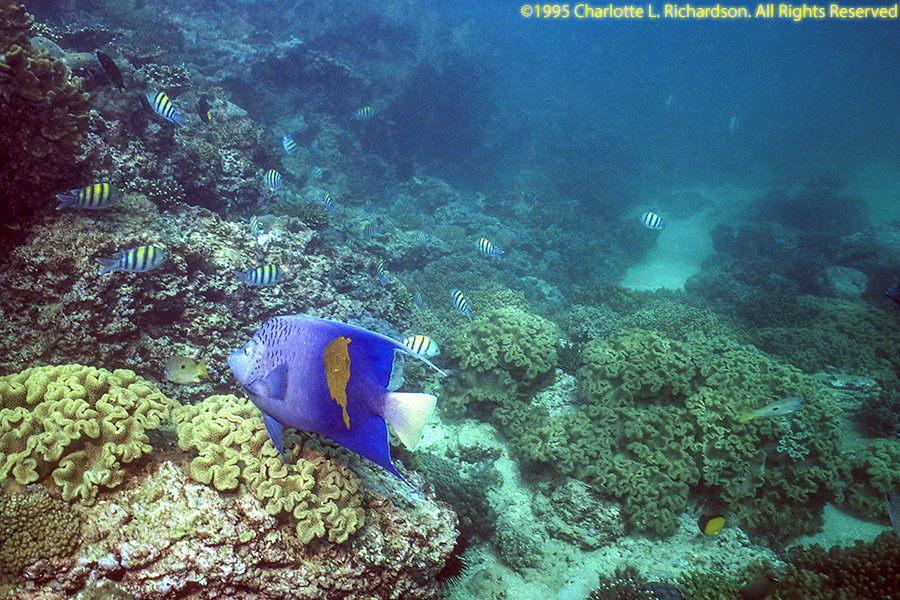
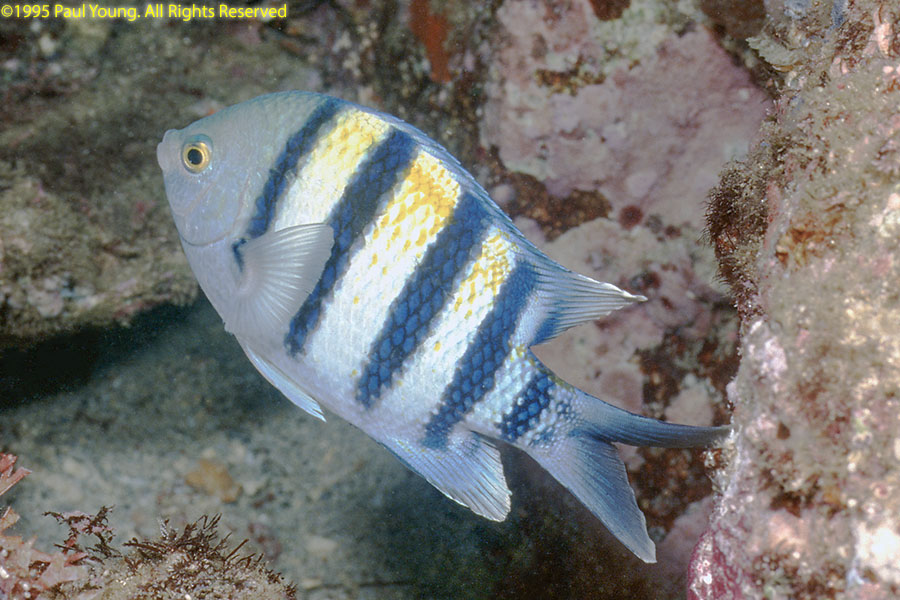 Sergeant major, Abudefduf vaigensis
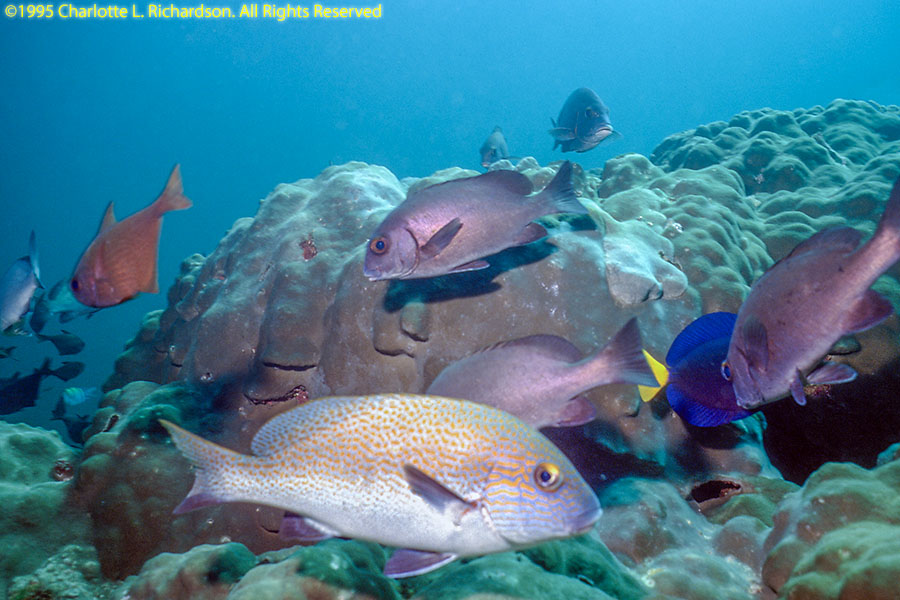 Painted sweetlips, Diagramma pictum
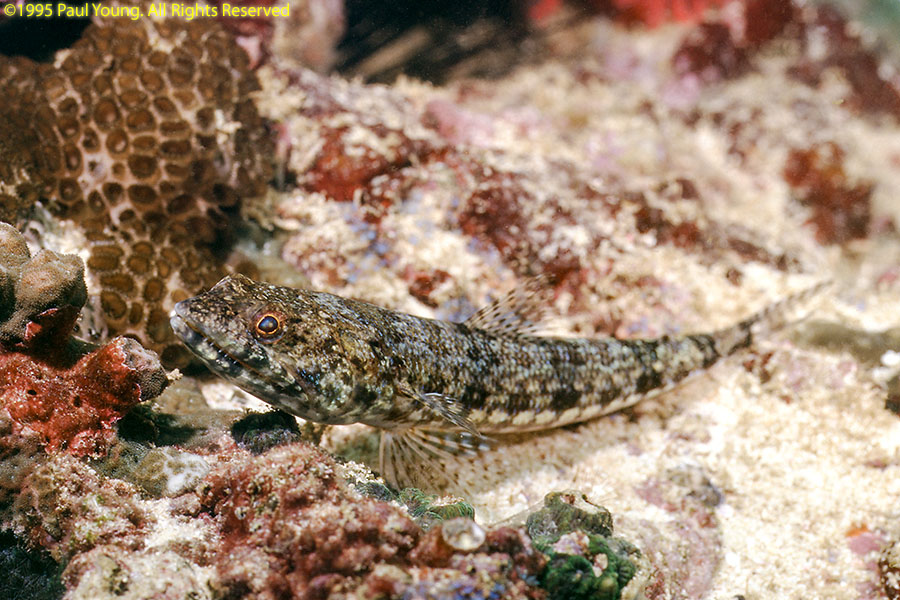
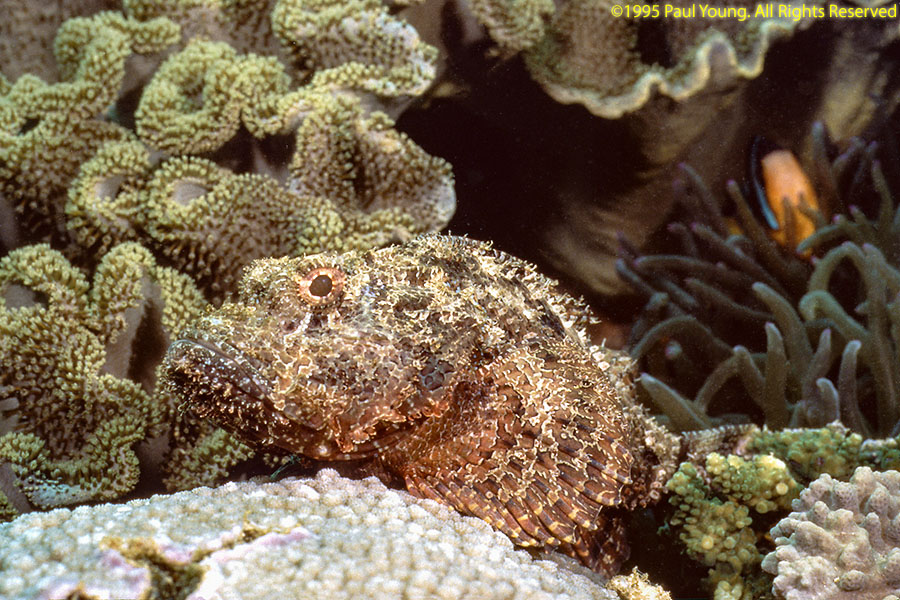
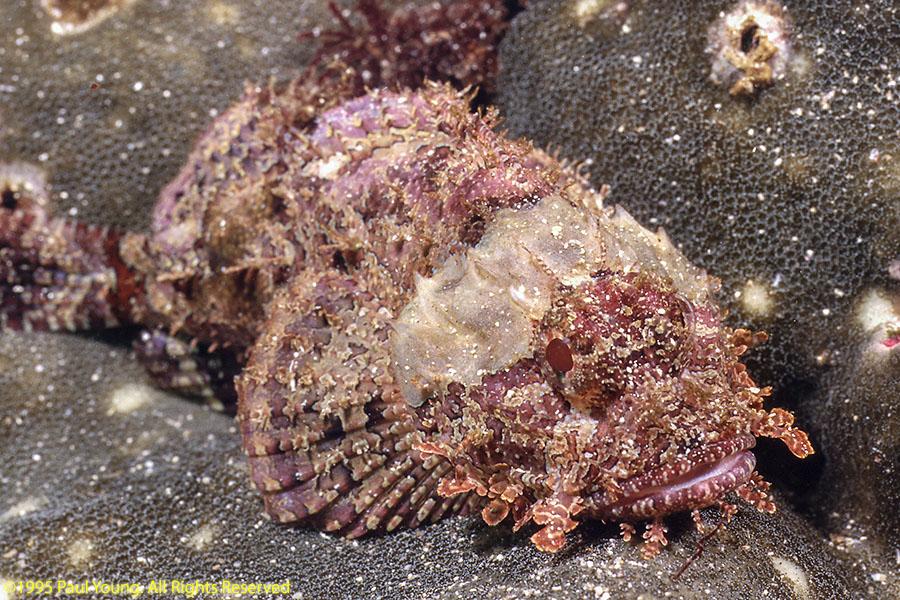 Humpbacked scorpionfish, Scorpaenopsis gibbosa
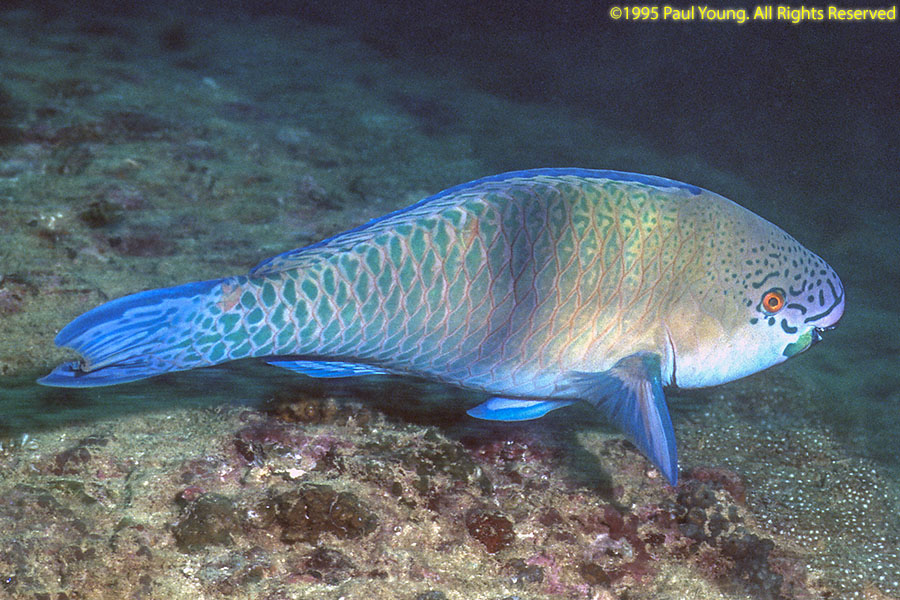
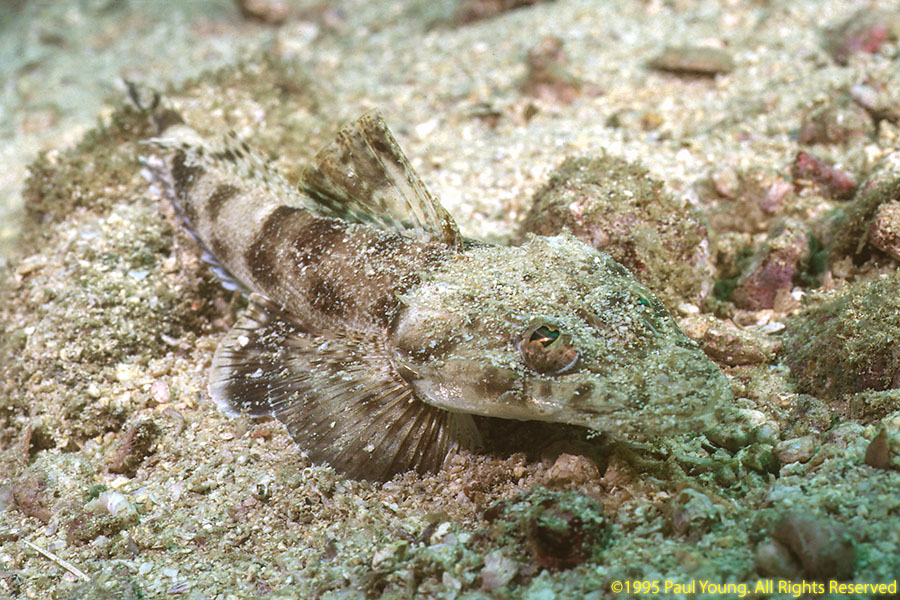
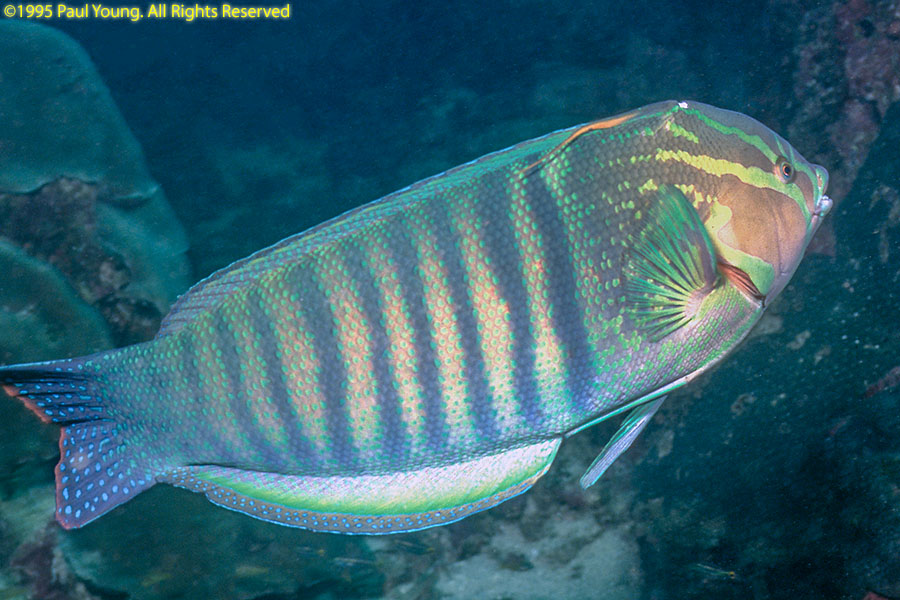 Indian sand wrasse, Coris frerei
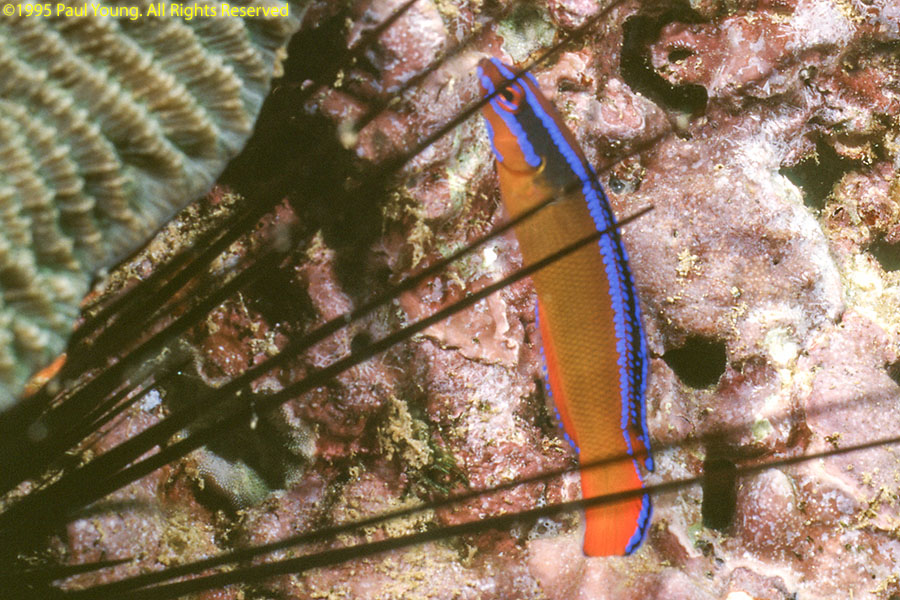
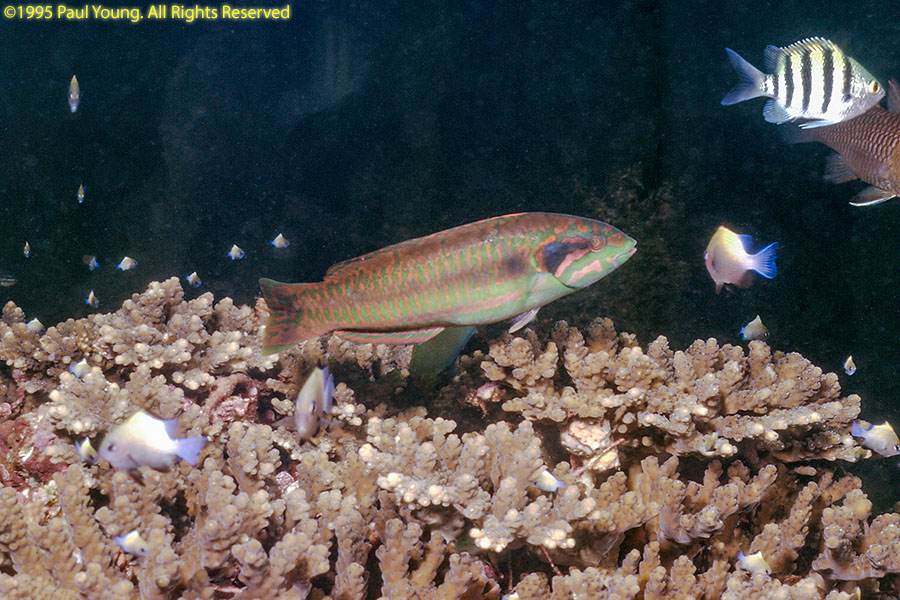 Cupid wrasse, Thalassoma cupido
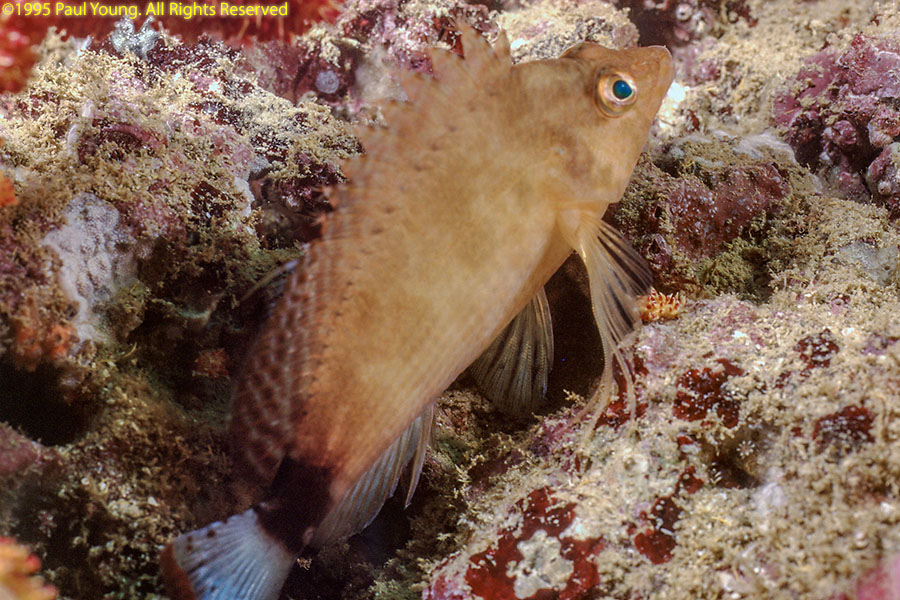
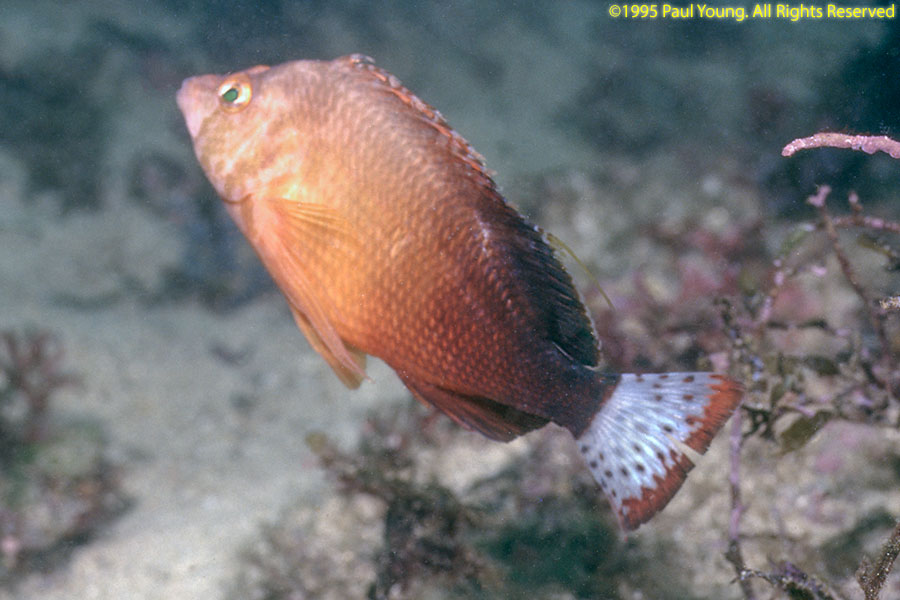 Spottedtail hawkfish, Cirrhiyichthys calliurus
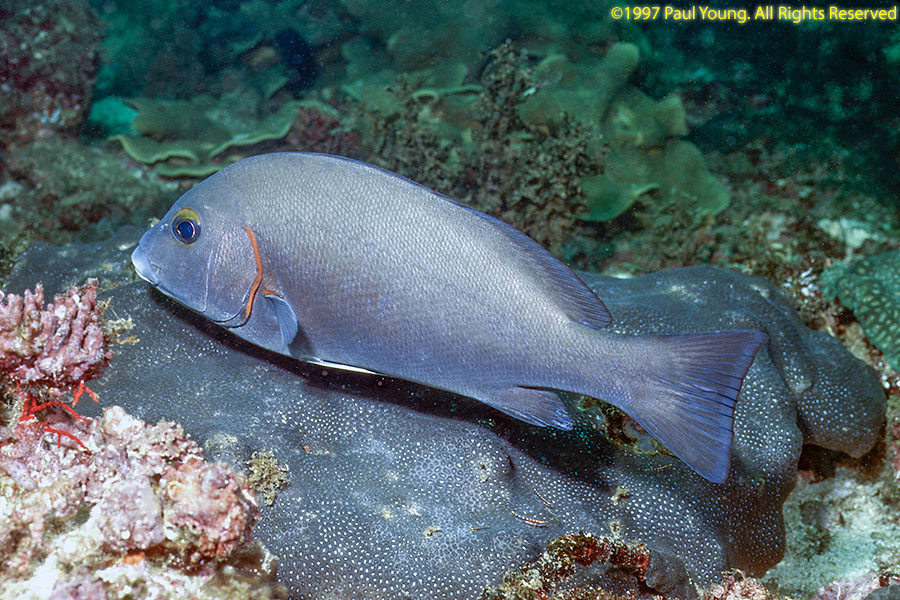 Grey sweetlips, Plectorhinchus schotaf
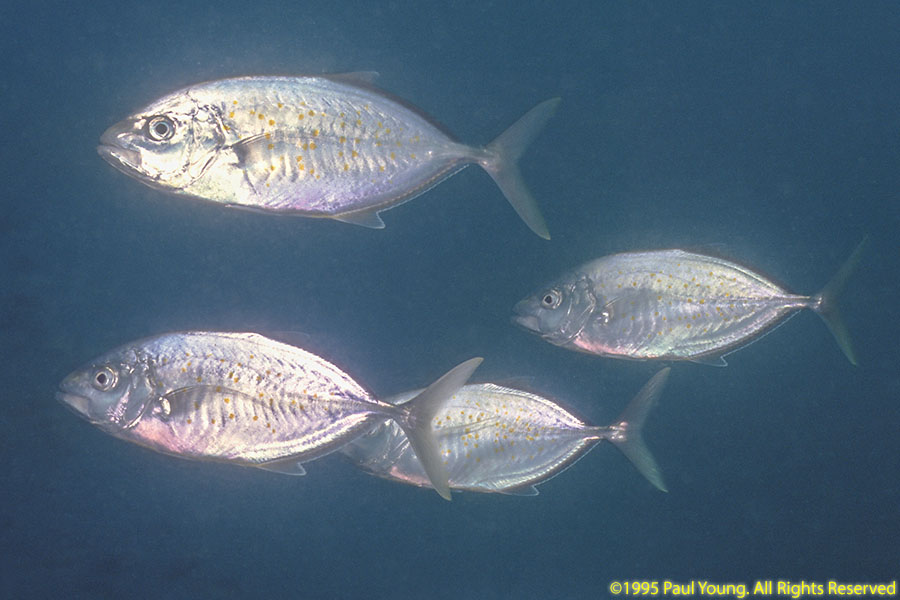
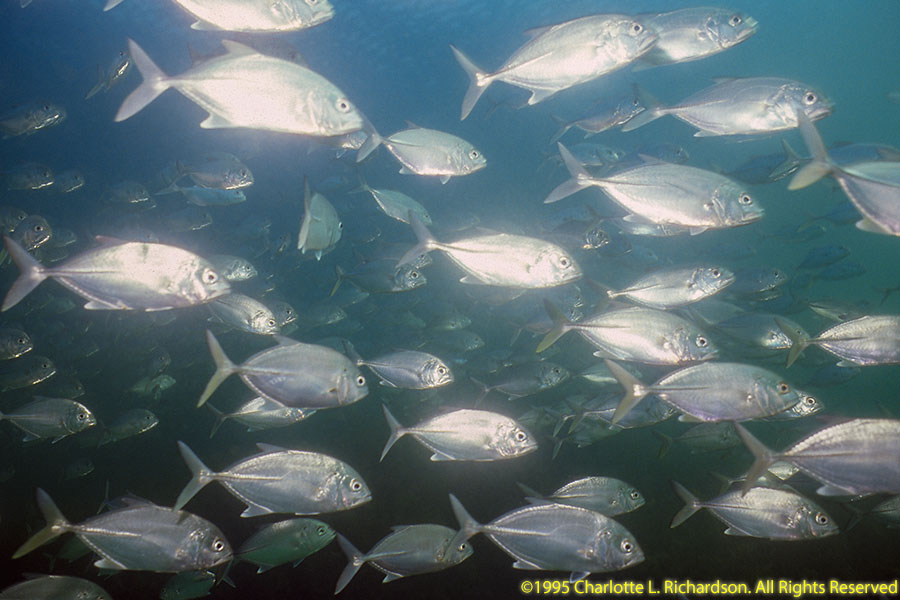 Bigeye trevally, Caranx sexfasciatus
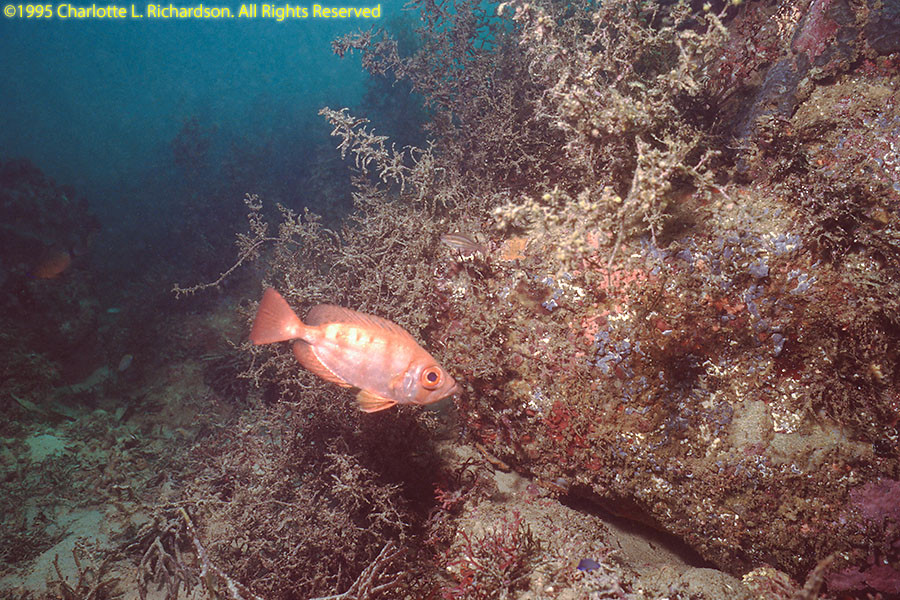 Bloch's bigeye, Priacanthus blochii
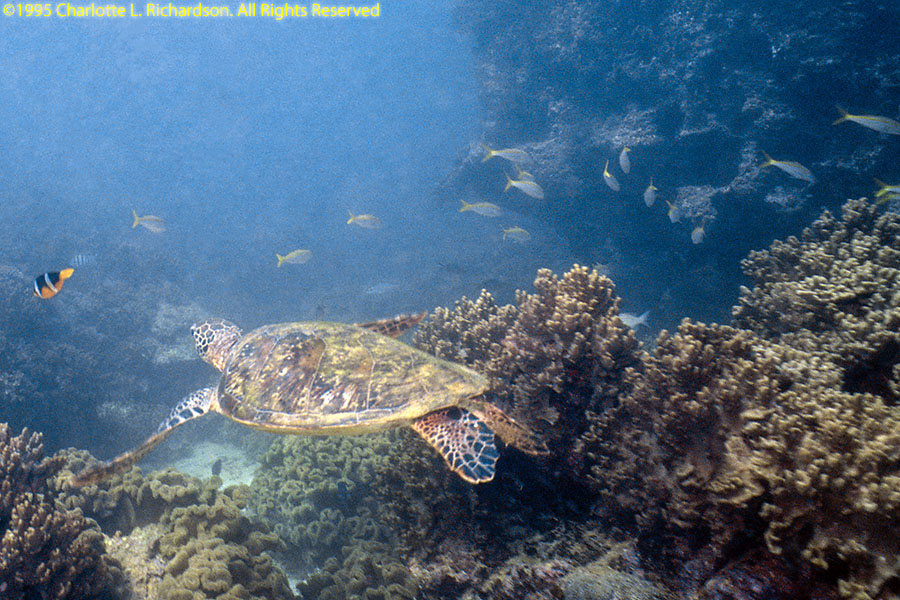
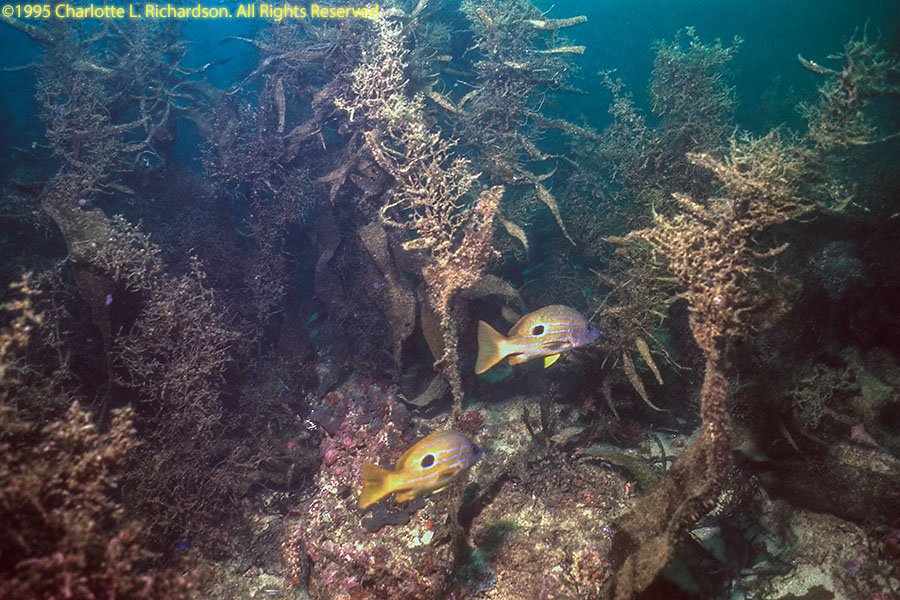 Russell's snappers, Lutjanus russellii
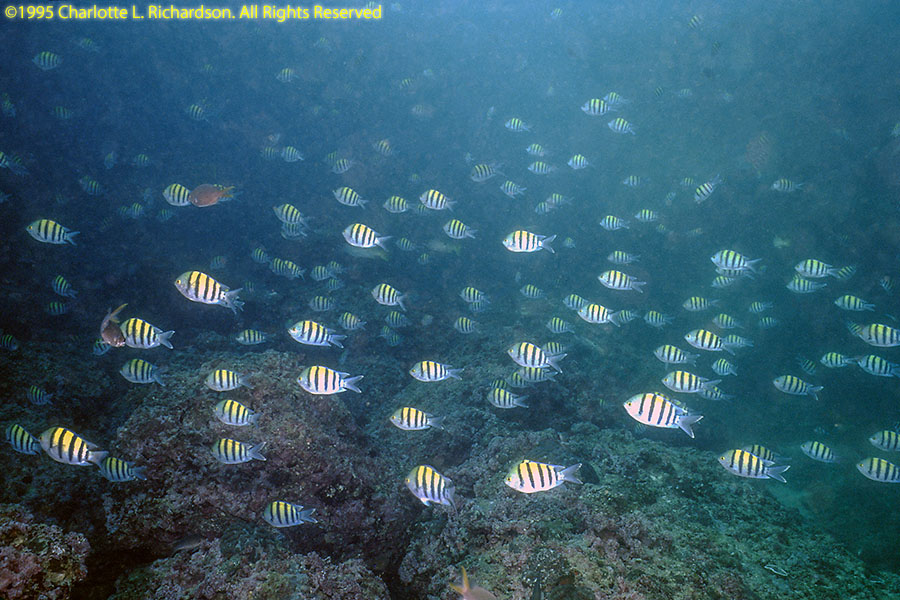
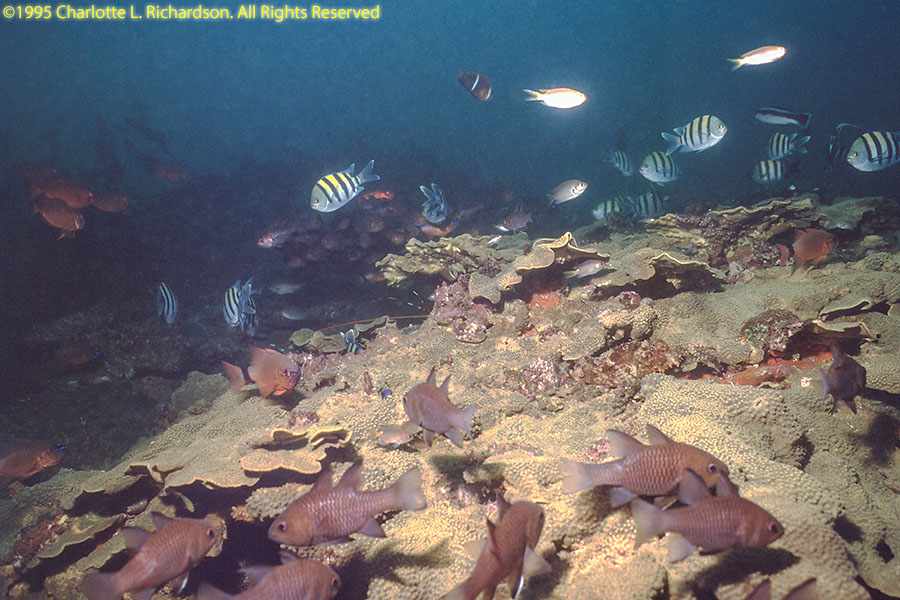 Indo-Pacific sergeants, Abudefduf vaigiensis, and unknown cardinalfish (foreground)
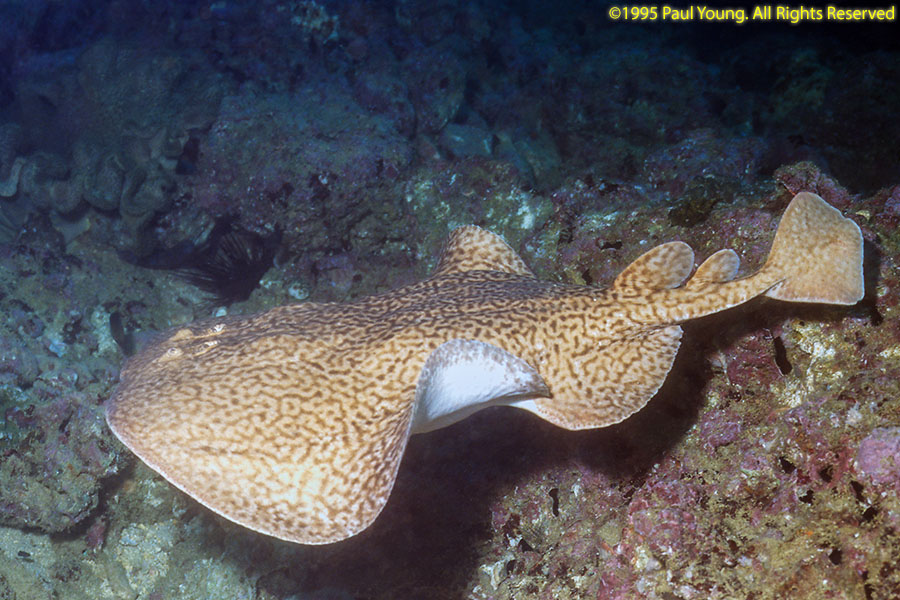
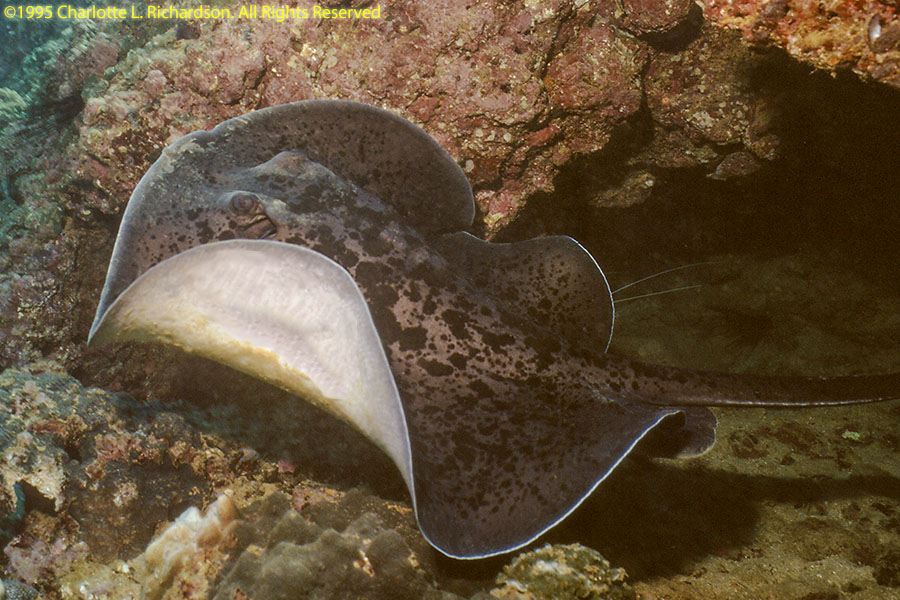
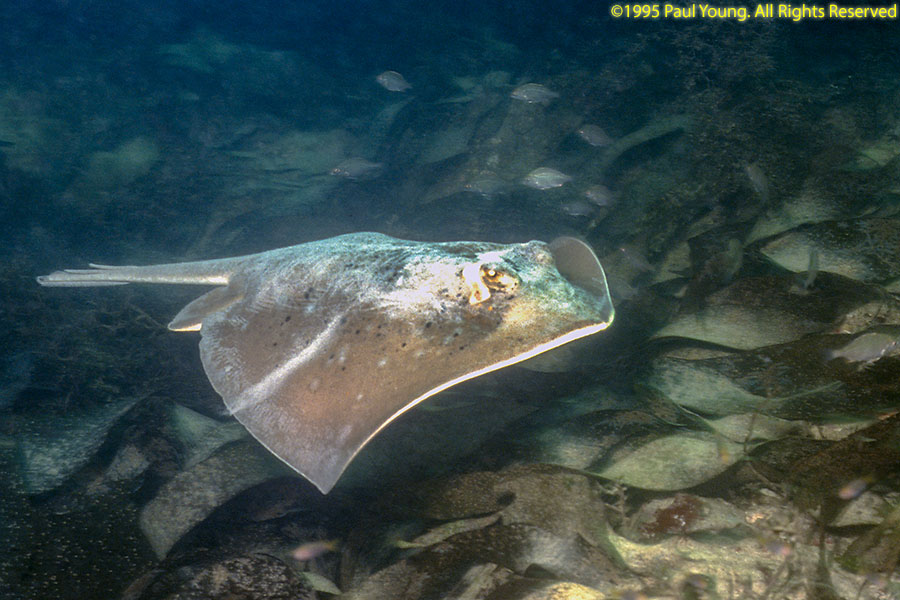 Broad stingray, Dasyatis lata
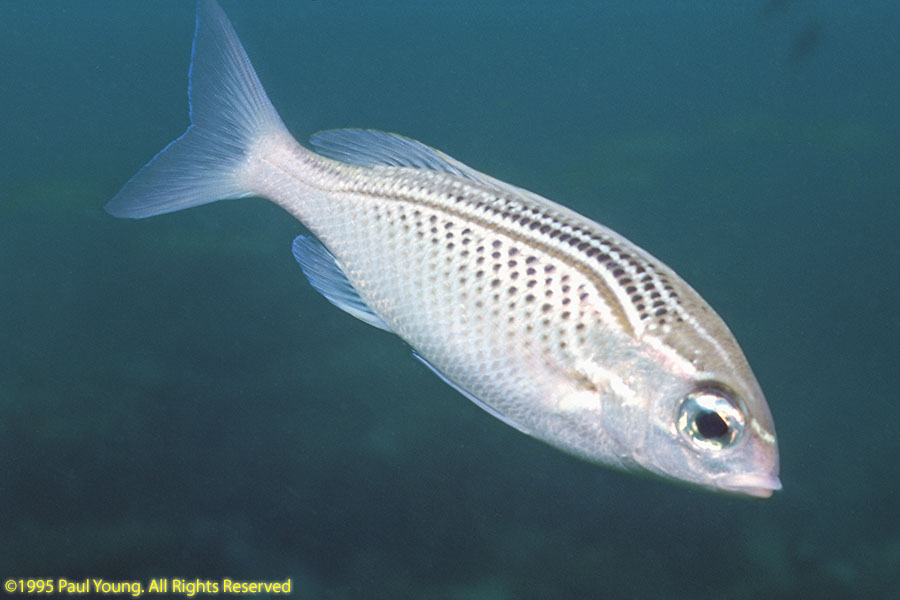
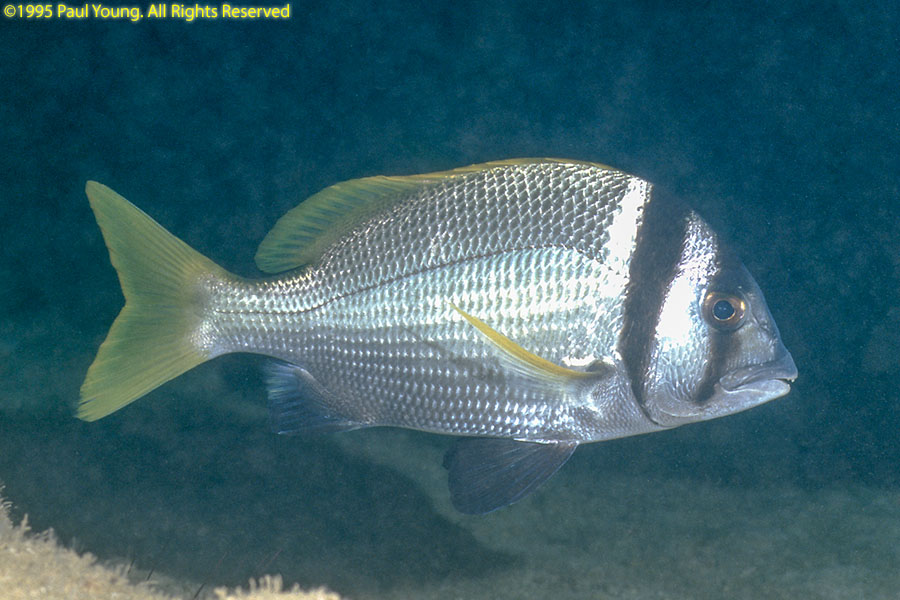
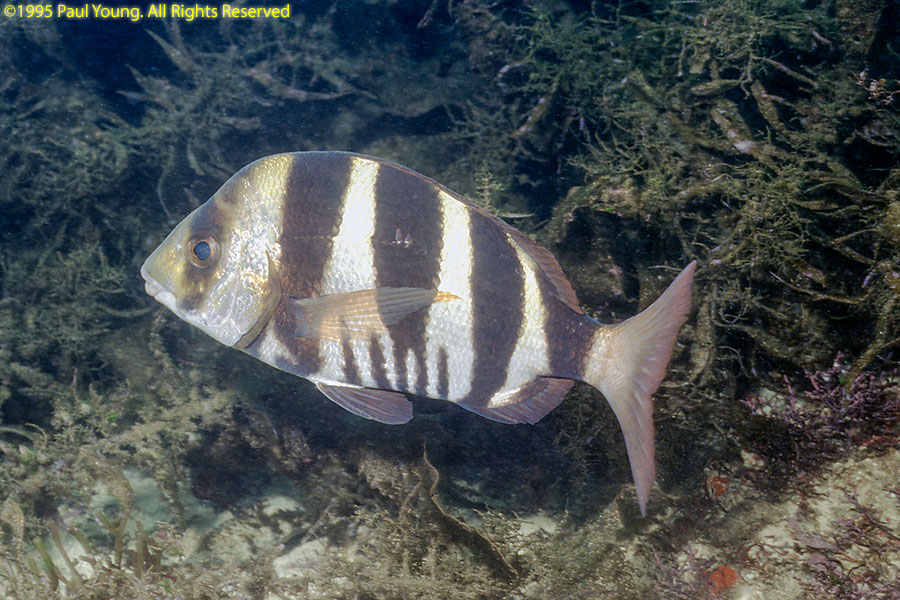 Zebra sea bream, Diplodus cervinus hottentotus
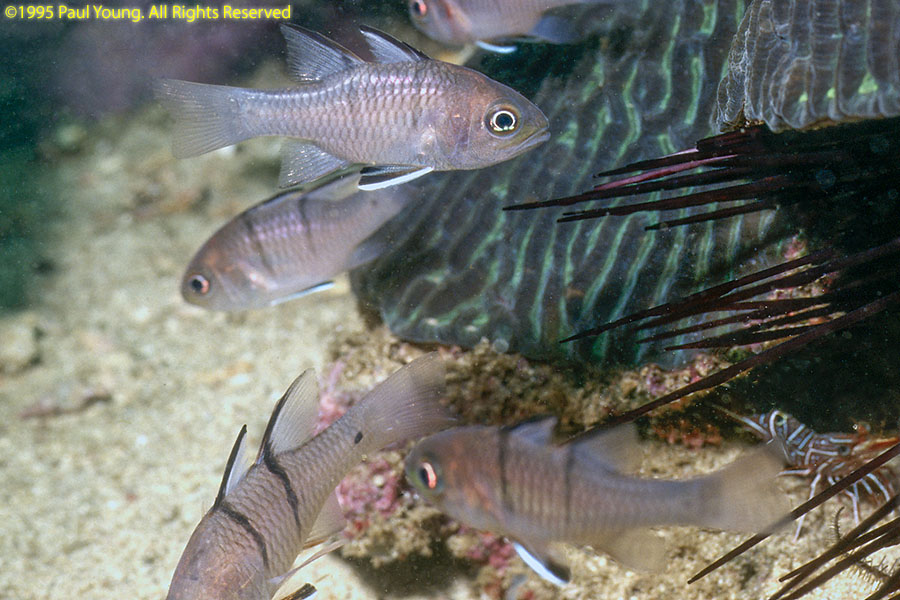
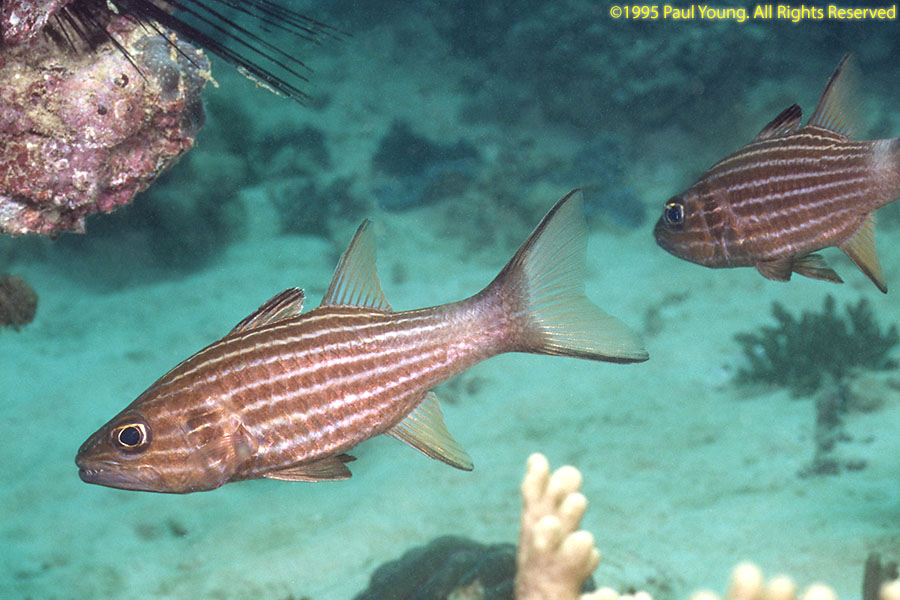
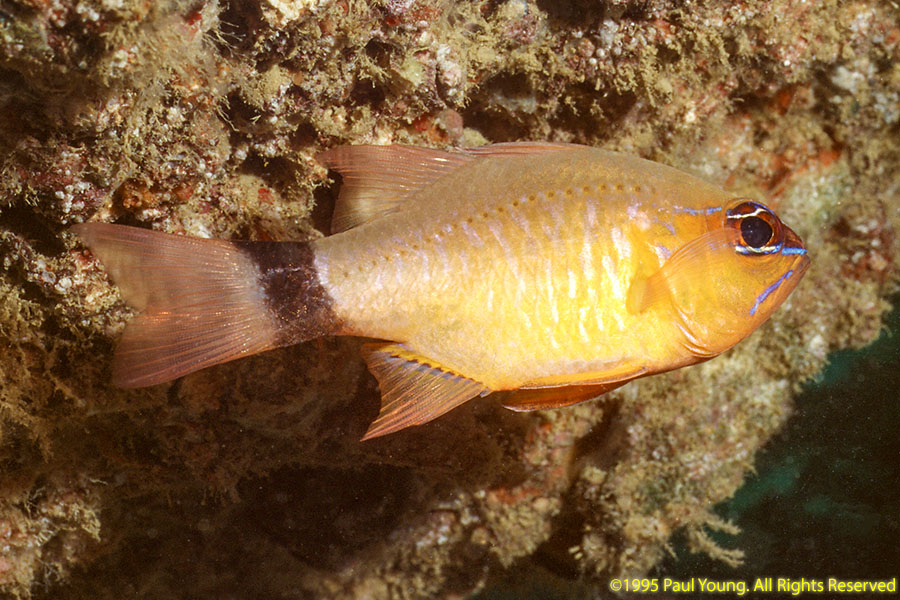
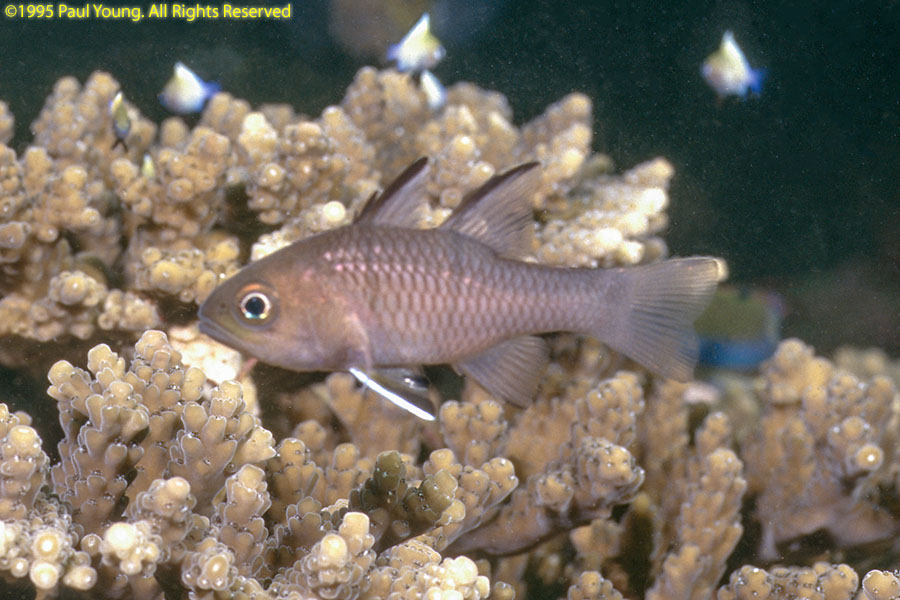 Iridescent Cardinalfish, Pristiapogon kallopterus
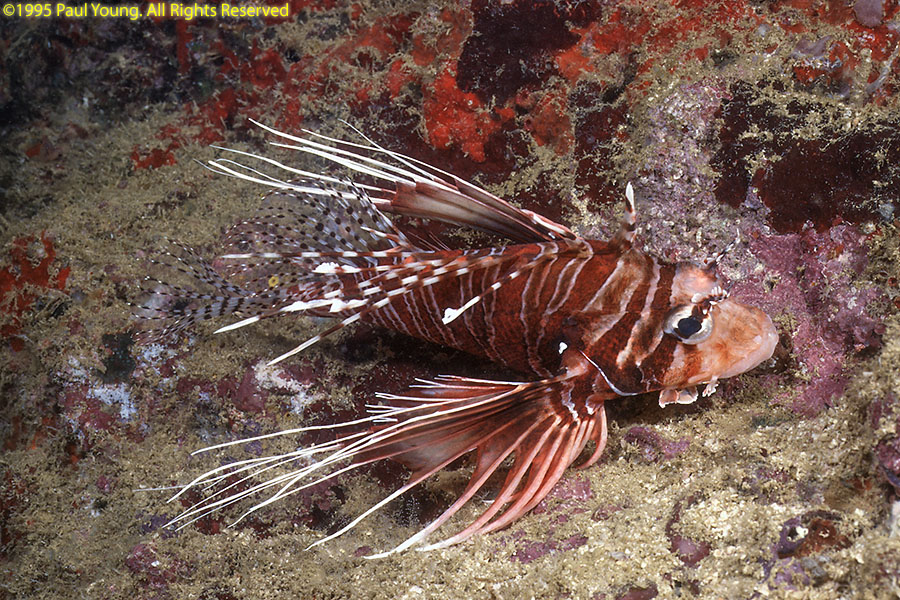
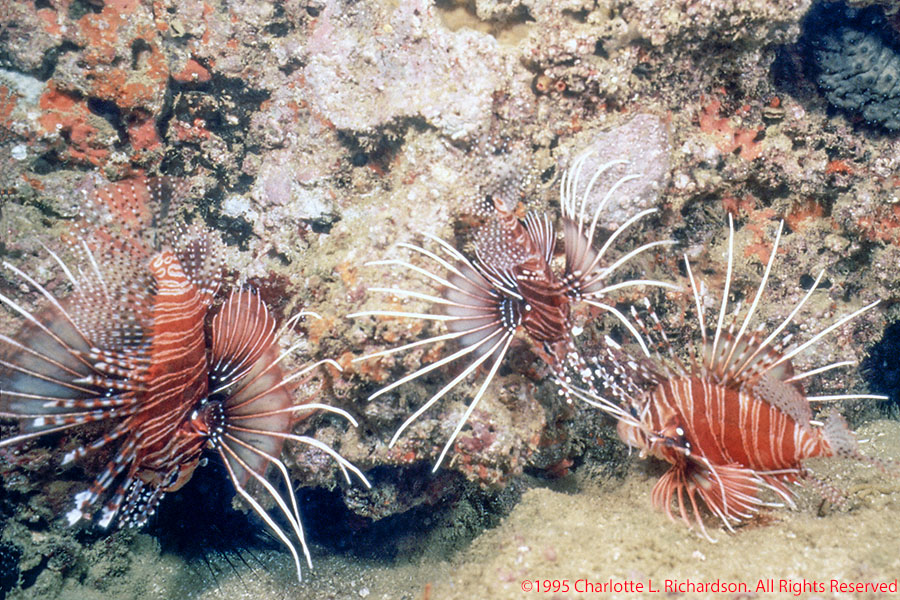
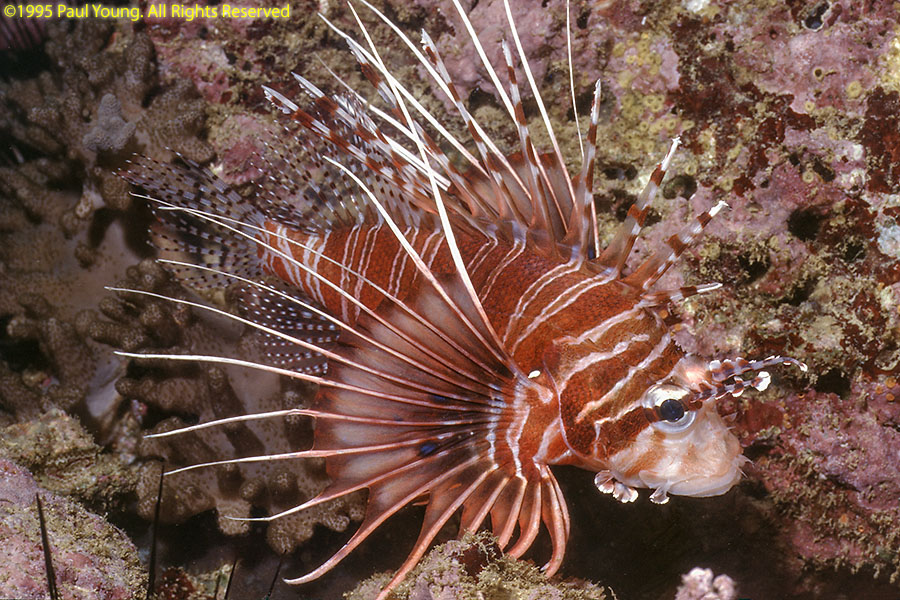
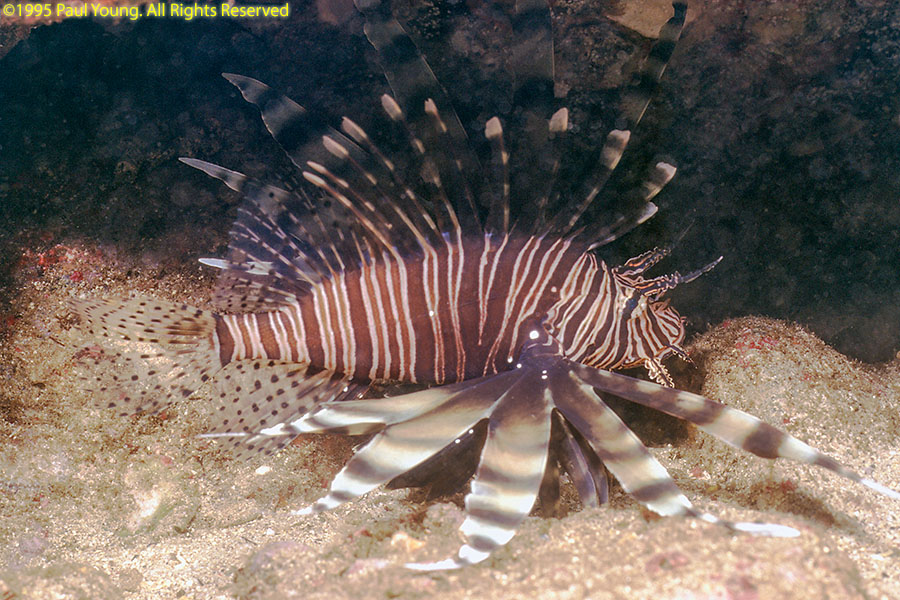 Indian lionfish, Pterois miles
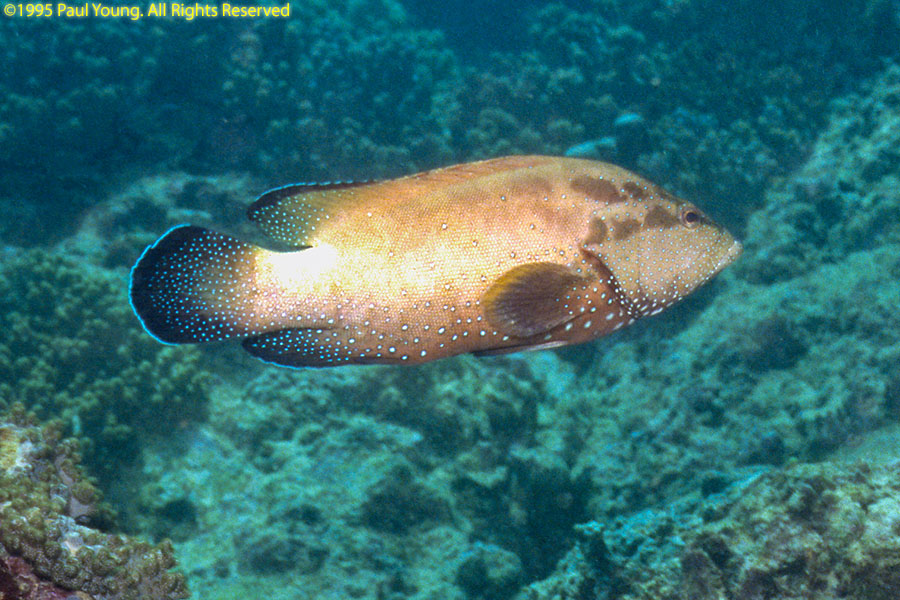
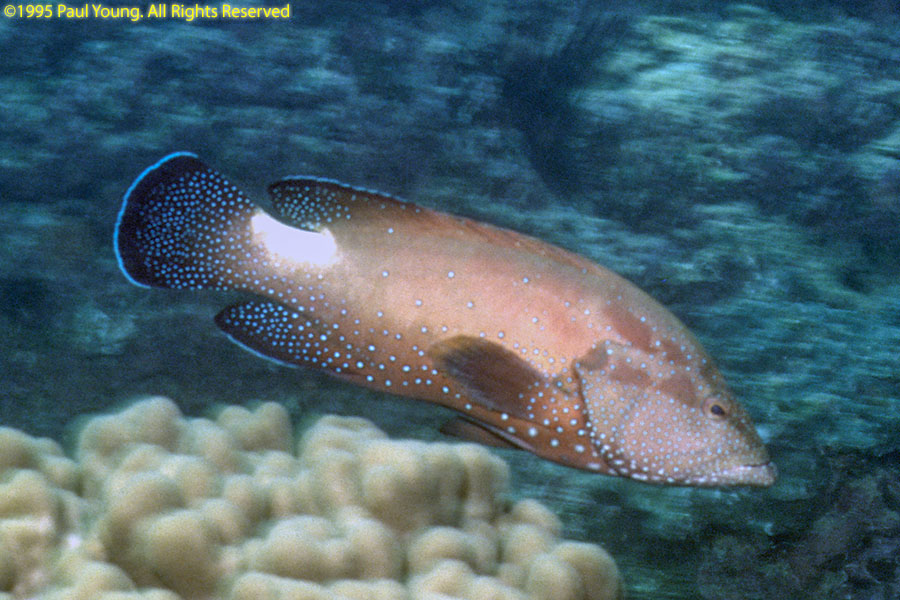
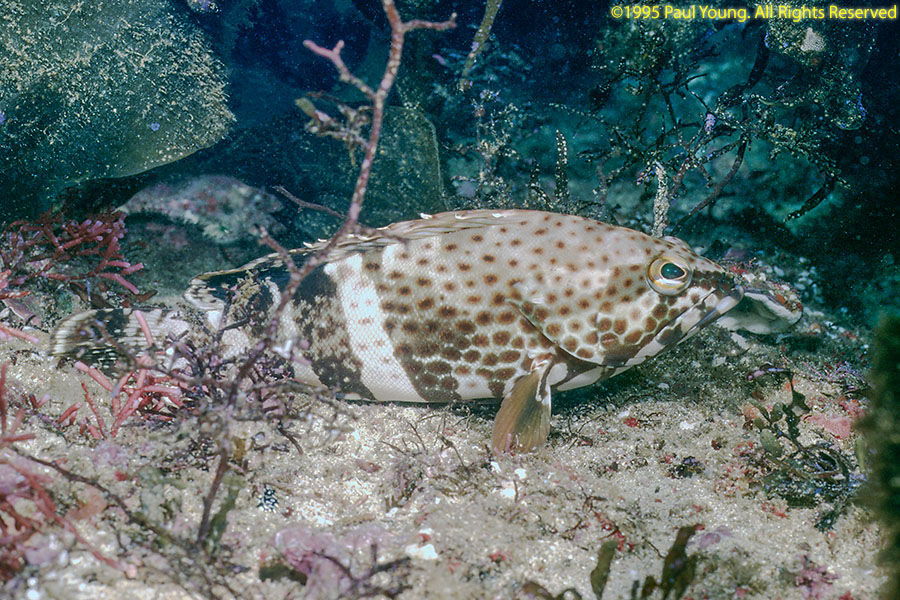 Arabian grouper, Epinephelus stoliczkae
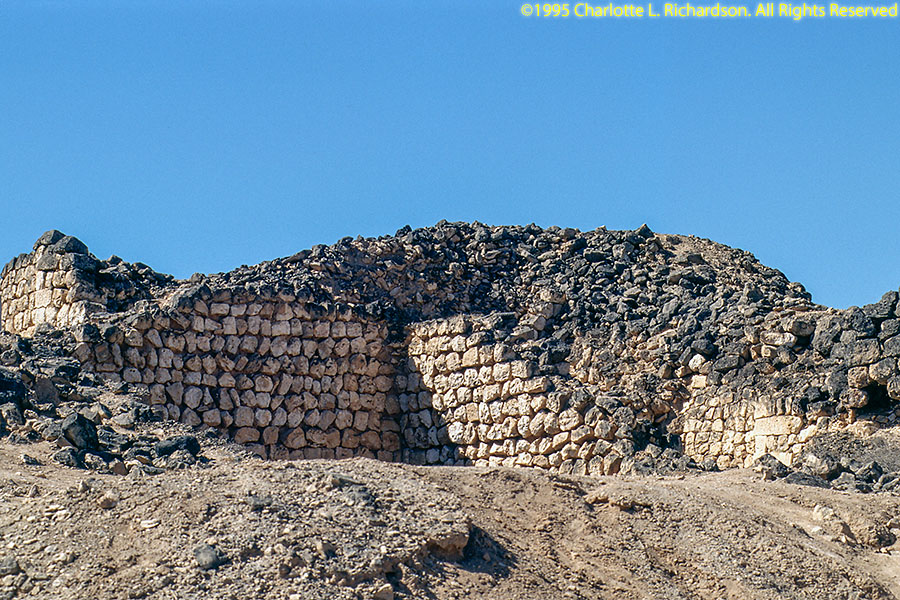
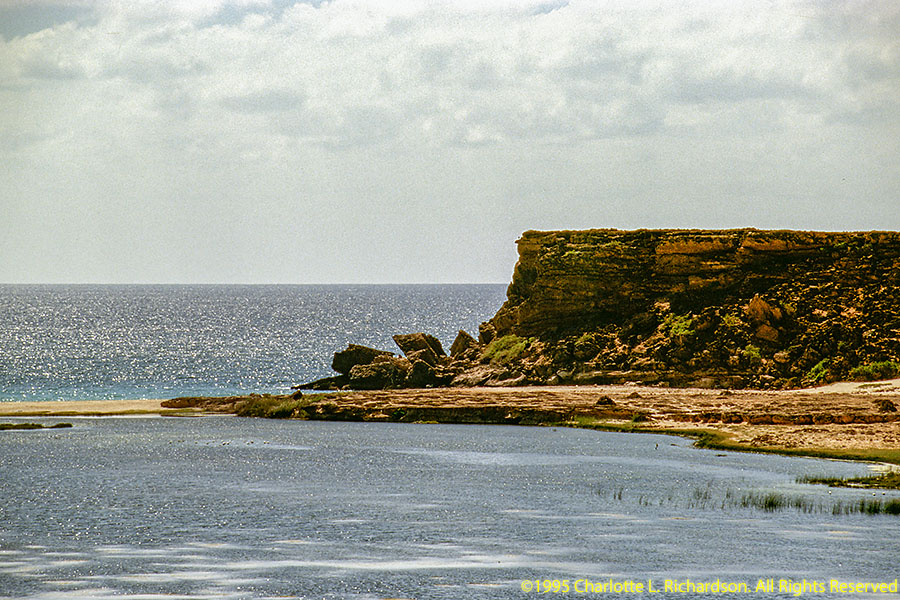
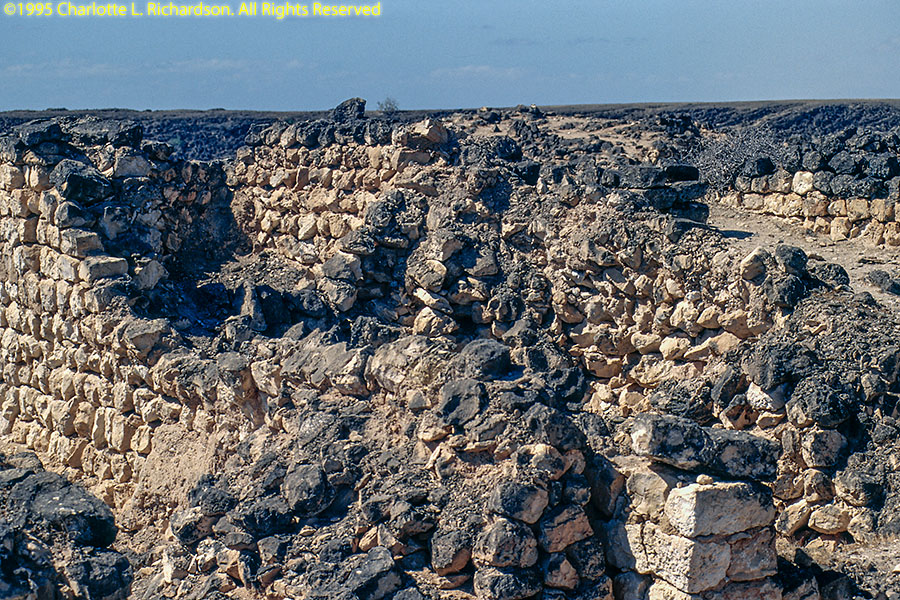
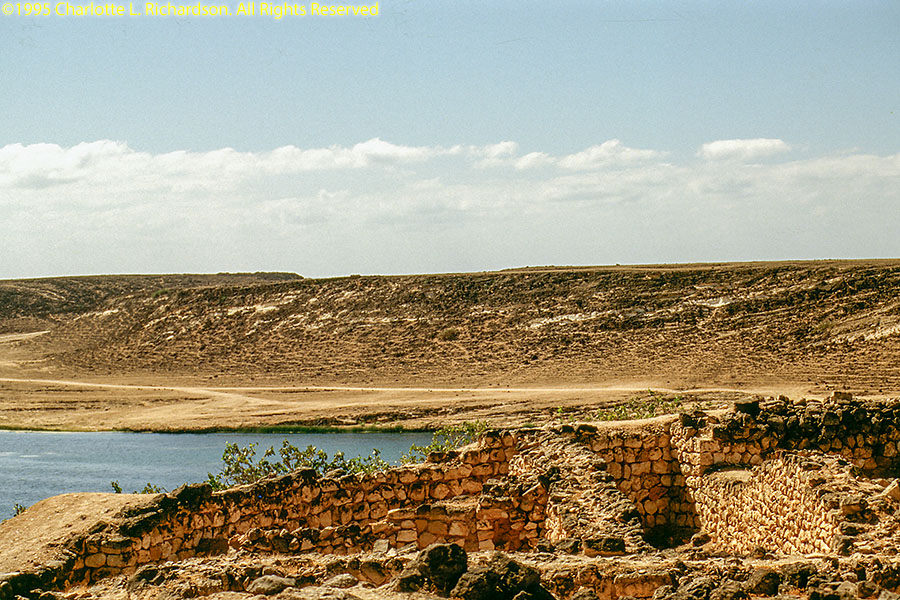
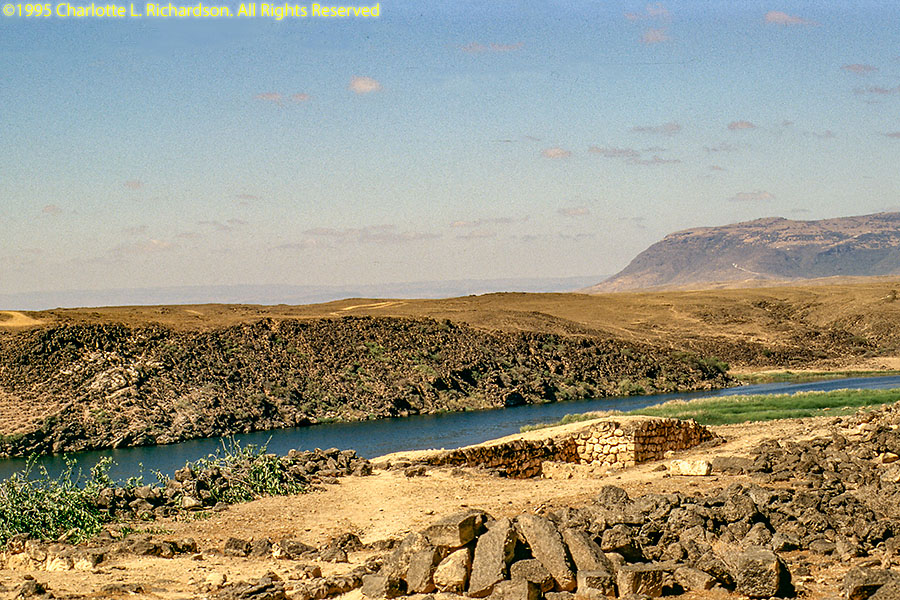
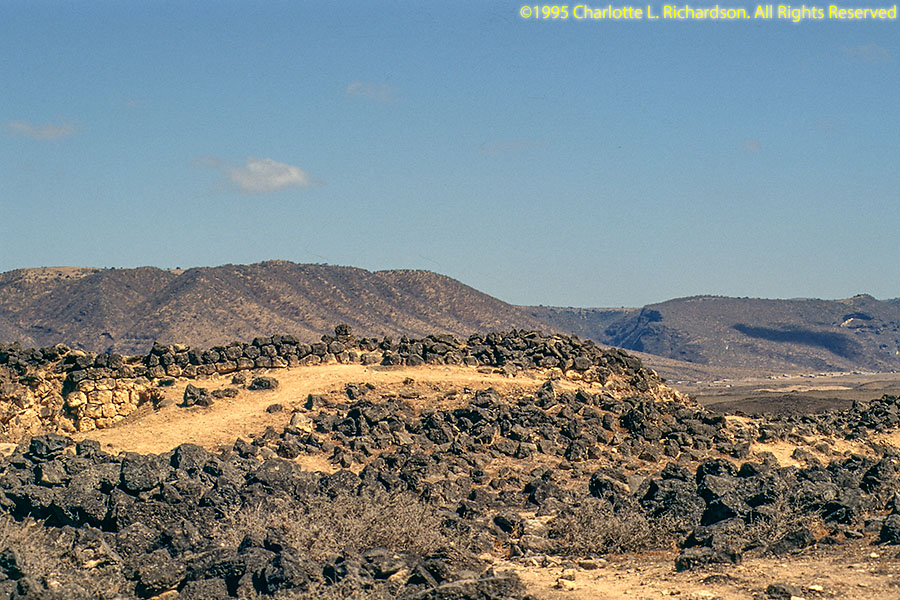
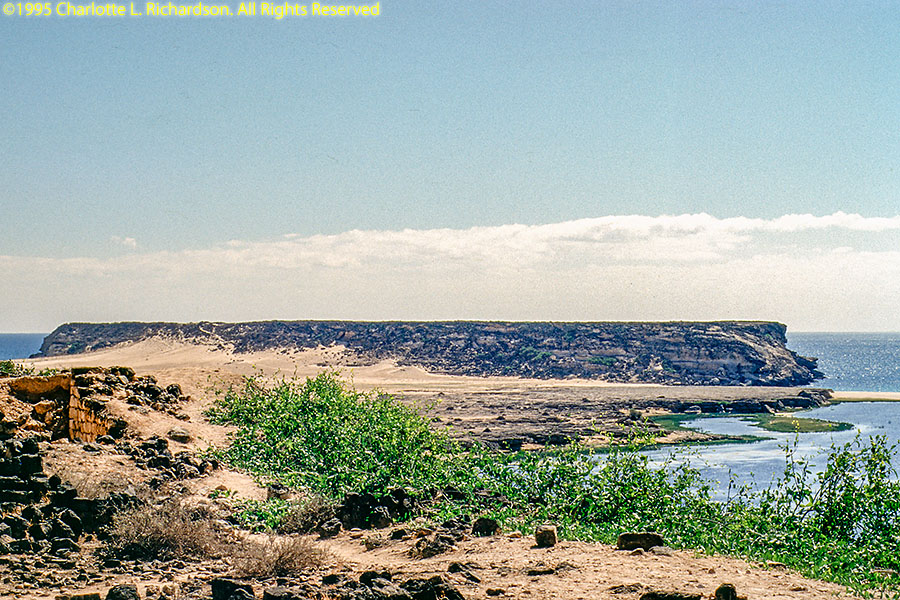
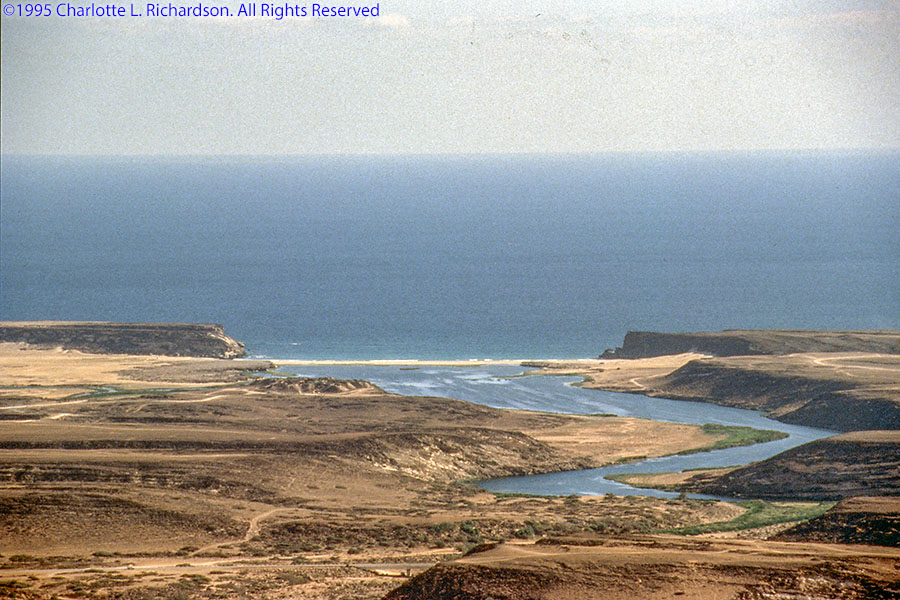
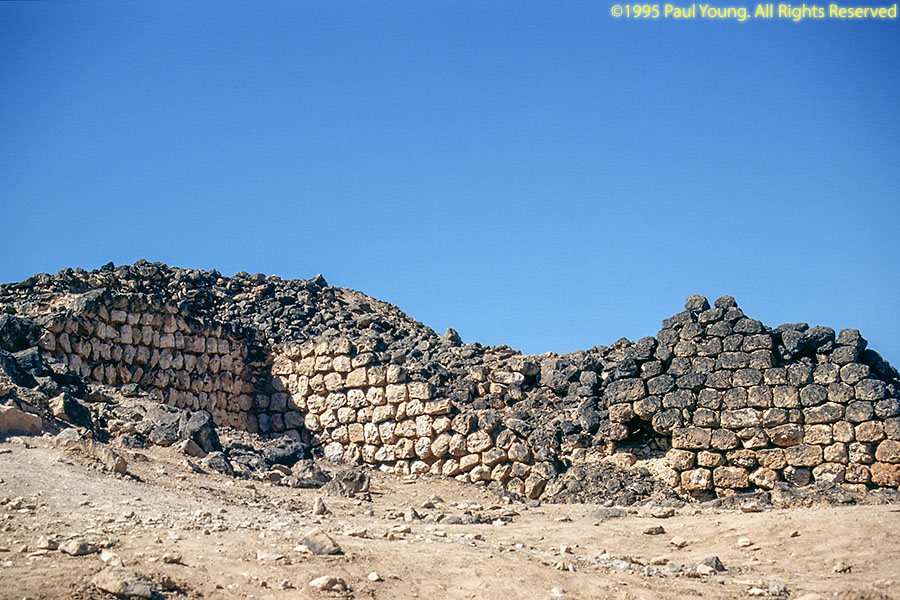
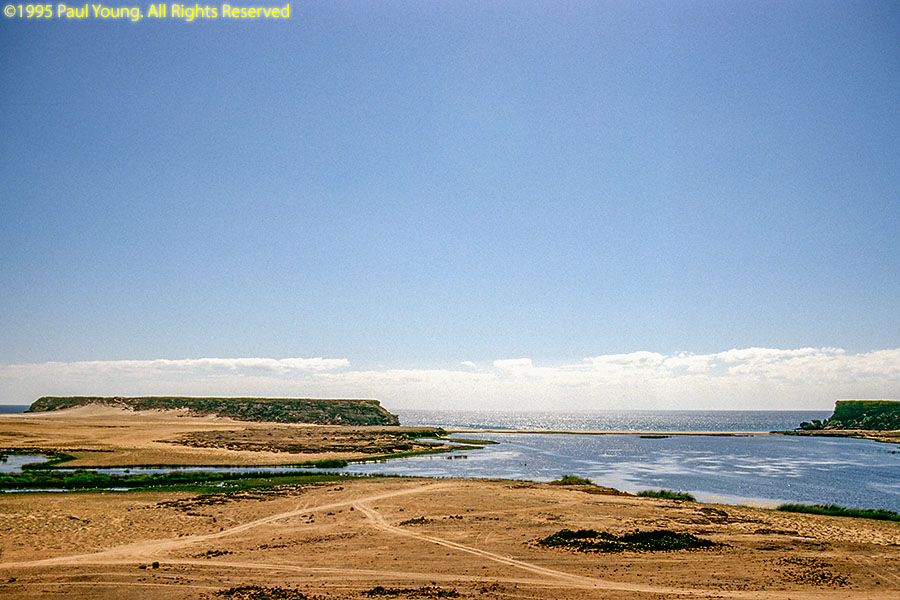
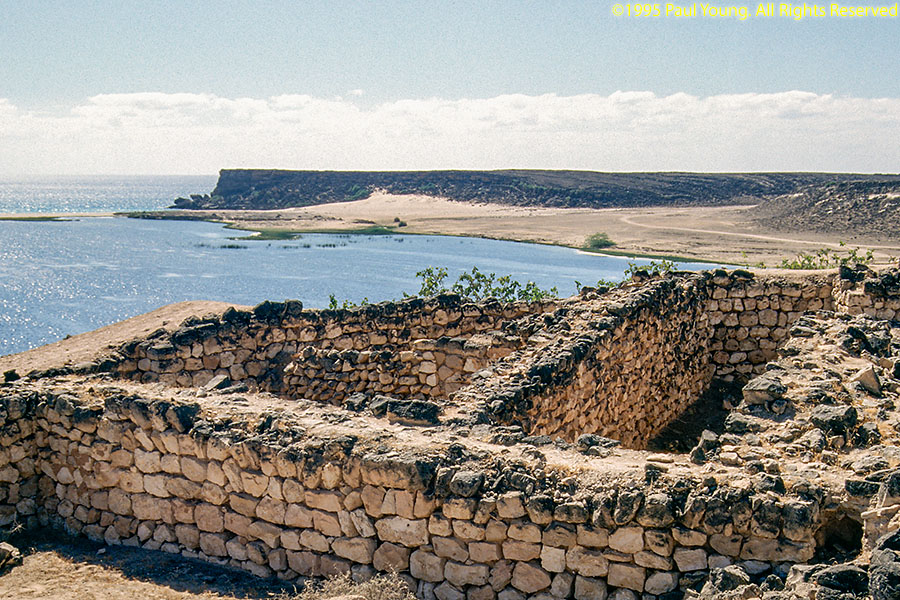
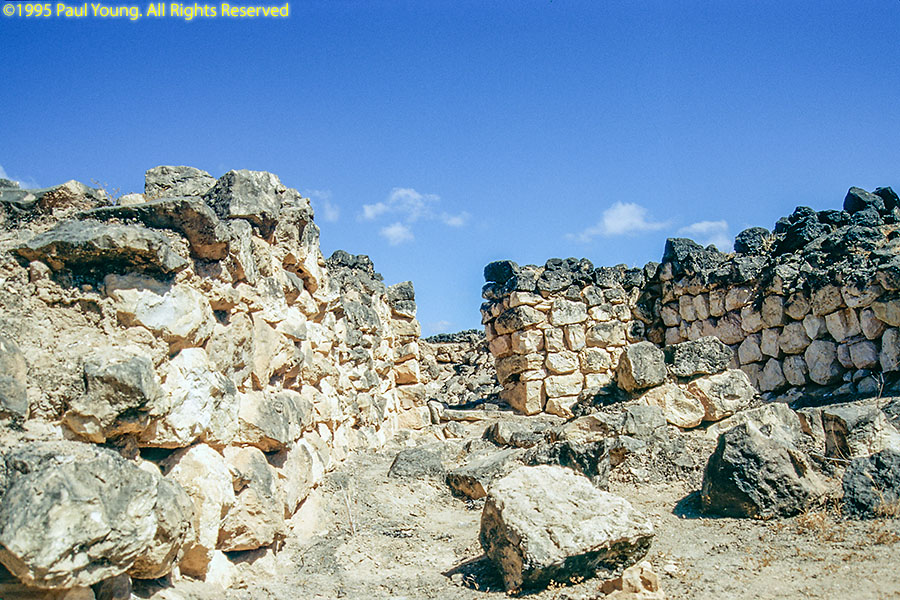
We drove to Khor Rauri to locate the ruins of Samharan. The Tel of Samharan lies only a few kilometers off of the paved road at the head of a beautiful wadi with hills on either side. In anceint times the wadi was deeper and formed a natural harbor, now blocked off by a sand bar. The Tel was surrounded by a protective fence and had at that time (1995) not yet been excavated and lay just as it was discovered only a few years earlier after an extensive search.
©2023, 2025 Mermaid Underwater Photographic. All Rights Reserved.
This page sponsored by Mermaid Underwater Photographic. Contact us at mermaid@underwater.org.
Last modified 12 December 2025